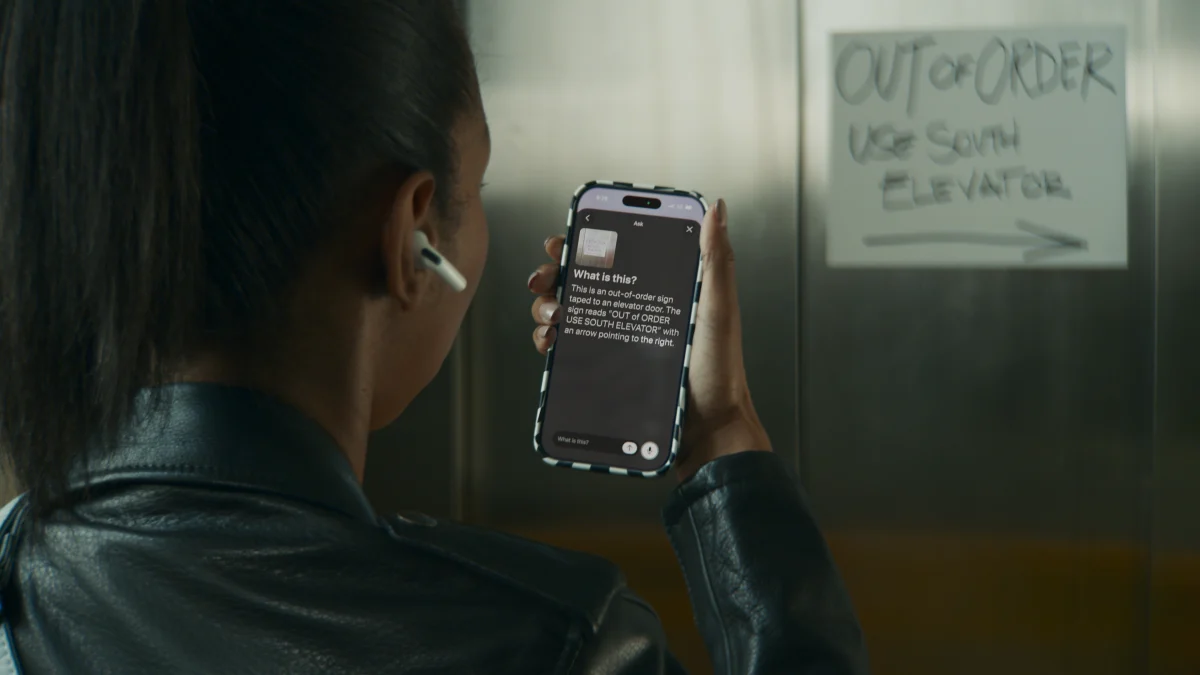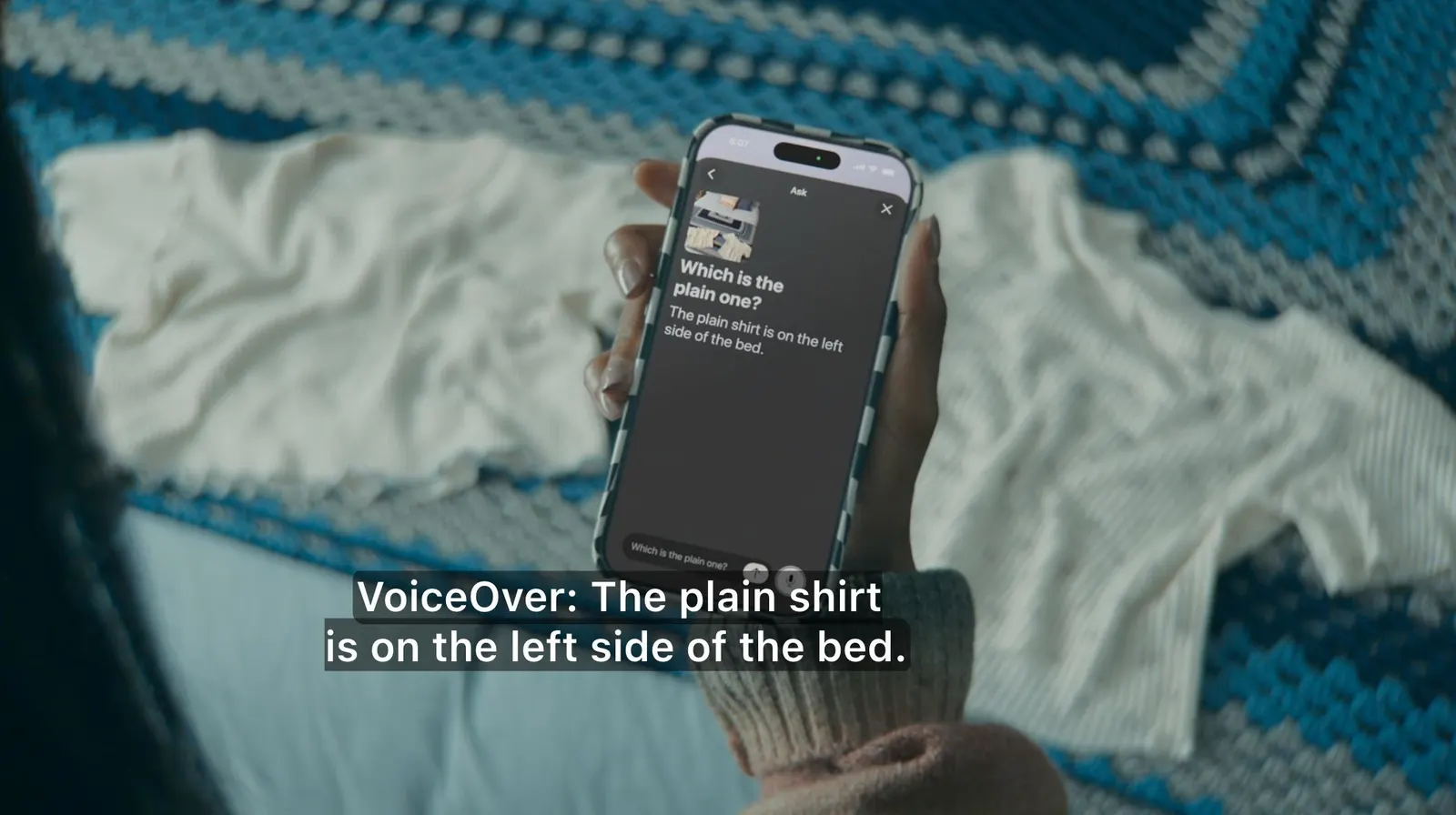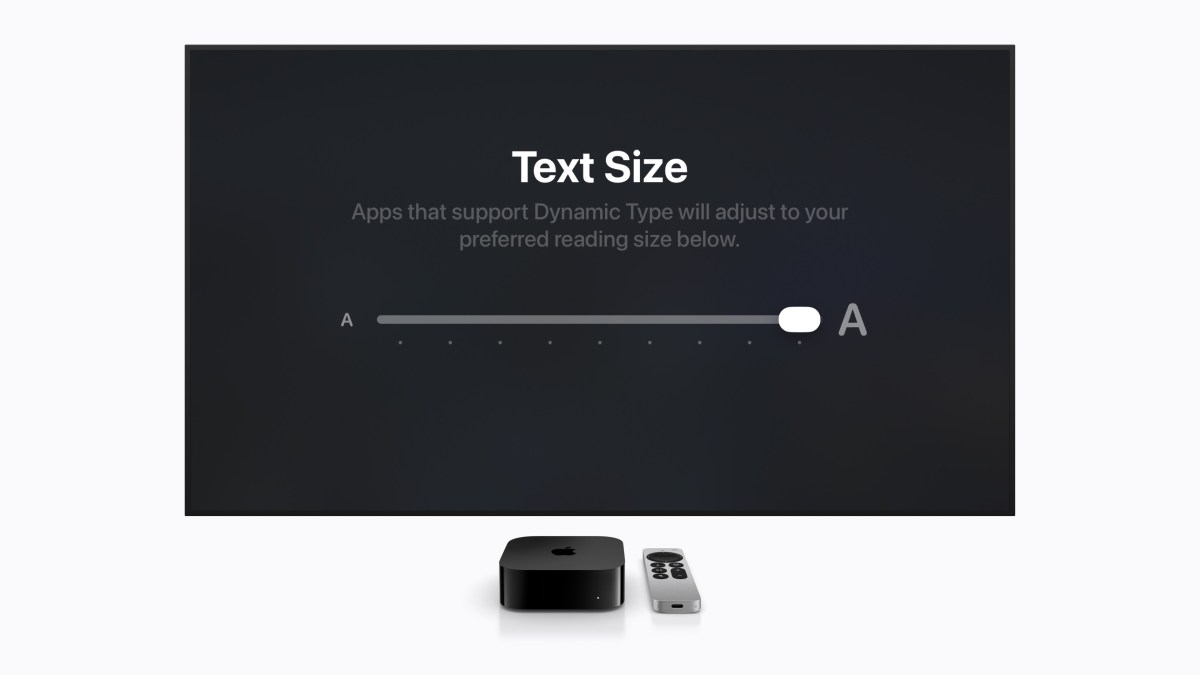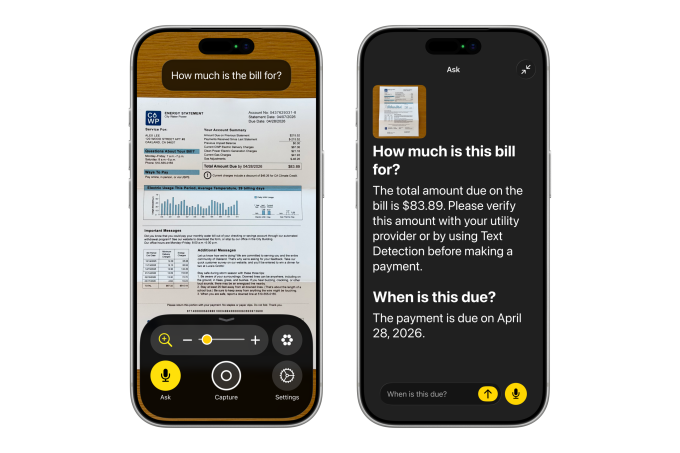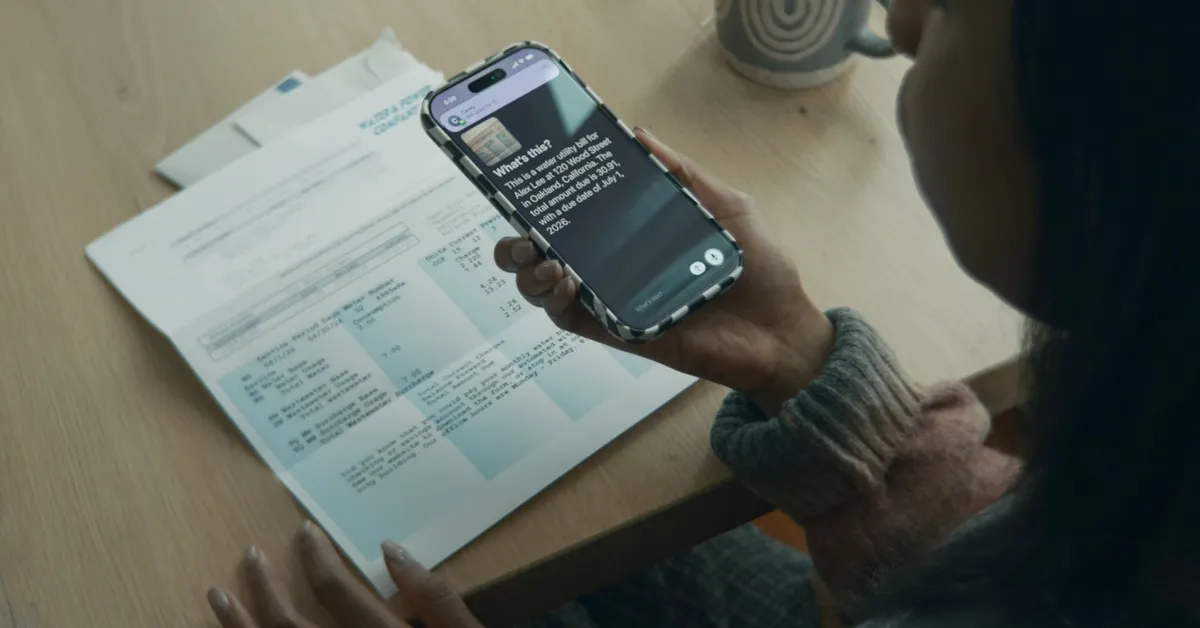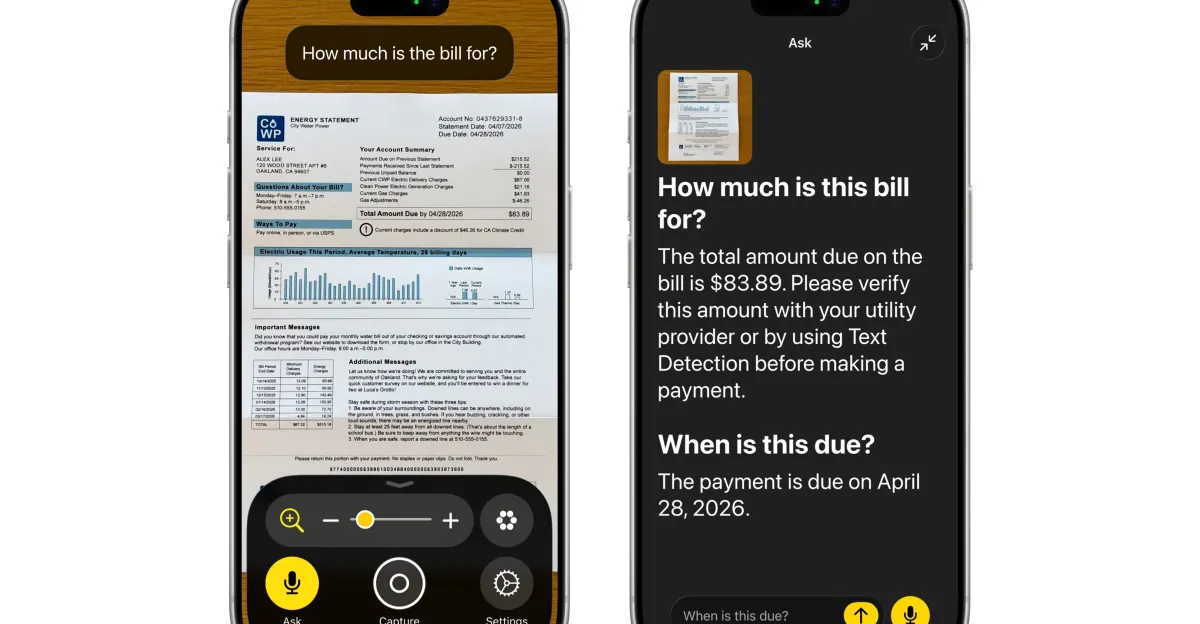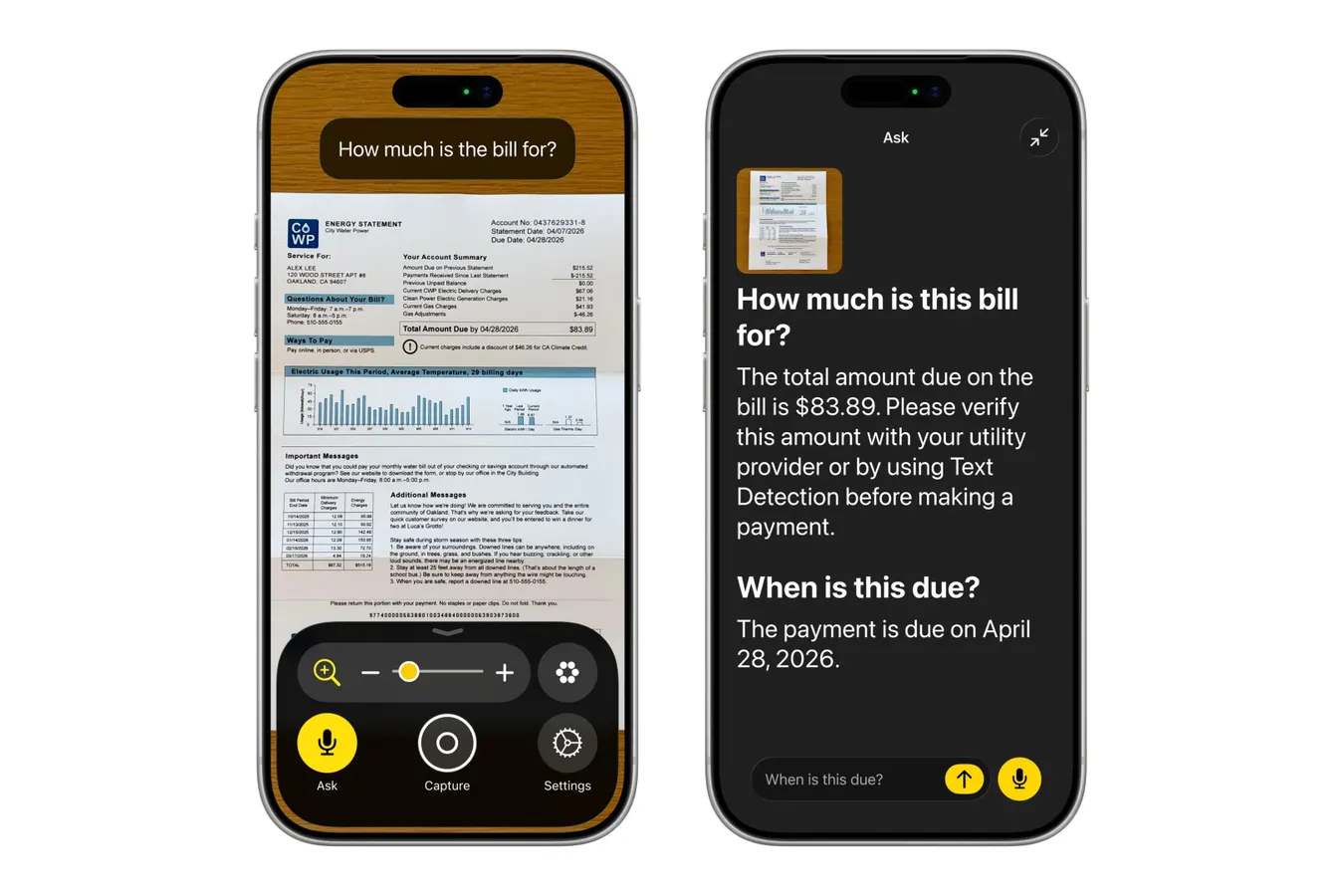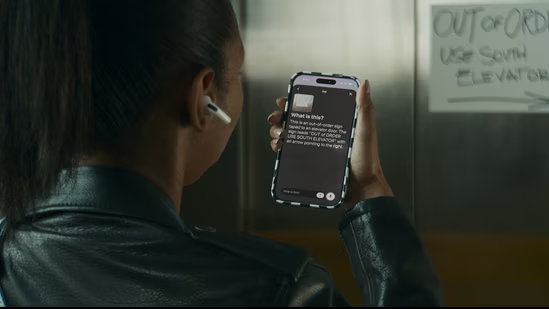
Days before its annual developer event, Apple has announced a fresh set of accessibility updates across iPhone, iPad, Mac, Apple TV, and Vision Pro devices. Many of the new features are powered by Apple Intelligence and focus on helping users interact with content through voice, vision, and live recognition tools.Apple unveils AI-powered accessibility updates ahead of WWDC 2026. (Apple)Ijaj Khan is a tech journalist and Senior Content Producer at HT Tech, where he translates the fast-paced world of consumer tech, gaming, and AI into stories that spark curiosity and connection. Always on the lookout for the next big trend, he believes technology should be as relatable as your everyday conversations. When he’s not decoding gadgets and innovations, you’ll likely find him hopping across cities, chasing new adventures, and sampling cuisines that tell their own stories.Read moreRead lessOne of the major updates is coming to VoiceOver, Apple’s screen-reading feature for blind and low-vision users. The company said Apple Intelligence will now help VoiceOver understand images in more detail. For example, users can point the camera at a bill and hear details such as the total amount, payment date, and other information printed on the document. Apple added that the feature can also describe photos and saved records with more context than before.Voice Control and Live Recognition Get SmarterApple is also expanding the use of Live Recognition. Users can now use an iPhone camera to identify objects, text, and surroundings in real time and ask follow-up questions to get more details. The company said people with low vision will also be able to connect the Magnifier tool to the Action Button on supported iPhones for quicker access. Voice commands such as “zoom in” or “turn on flashlight” can also be used while using the feature.The voice control system itself is getting broader support. Apple said users can now describe actions in natural language to interact with items visible on the screen. In Maps, for example, a user can say, “Tap the guide about best restaurants,” while in the Files app they can say, “Tap the purple folder.” The system will then understand the request and carry out the action.Reader Mode and AI Captions Expand AccessibilityAnother update is coming to Reader mode. Apple said the feature can now process more complex documents, including scientific papers that contain tables, images, and multi-column layouts. Users will also be able to generate summaries or read the content in another language while keeping the original formatting, fonts, and colors intact. According to the company, the changes are designed to support users with dyslexia and low vision.Apple is also introducing AI-generated captions for videos that do not already include subtitles. This will work on videos recorded on an iPhone as well as clips shared by friends or family members. The captions will be available across iPhone, iPad, Mac, Apple TV, and Vision Pro devices, and users will be able to adjust how the subtitles appear on screen.Vision Pro to Support Eye-Controlled WheelchairsFor Vision Pro users, Apple announced a new accessibility project that will allow compatible wheelchairs to be controlled using eye movements. The company said the system is designed to work in different lighting conditions without needing recalibration. At launch in the US, the feature will support Tolt and LUCI drive systems through Bluetooth and wired connections.Apple also said its name-recognition feature for users with hearing disabilities now supports 50 languages. Large text support is also coming to tvOS, while Made for iPhone hearing aids will offer smoother switching between Apple devices.The company confirmed that the new accessibility features will roll out later this year and are expected to arrive as part of the next major iOS update.
Apple drops major AI accessibility features for iPhone, Mac, and Vision Pro ahead of WWDC 2026
Apple is bringing AI-powered accessibility tools to iPhones, Macs, and Vision Pro, including live captions, smarter VoiceOver, and eye-controlled wheelchairs. | Technology News
610 words~3 min read