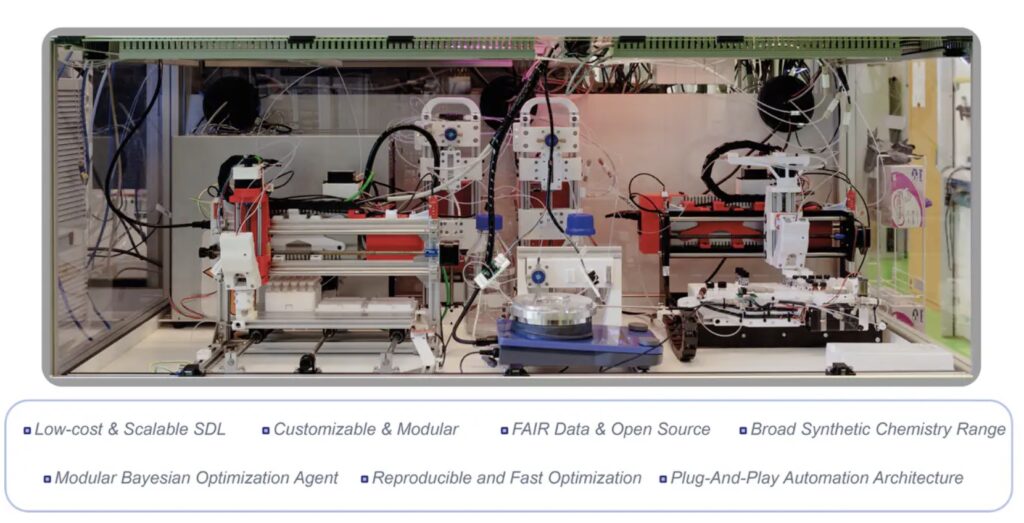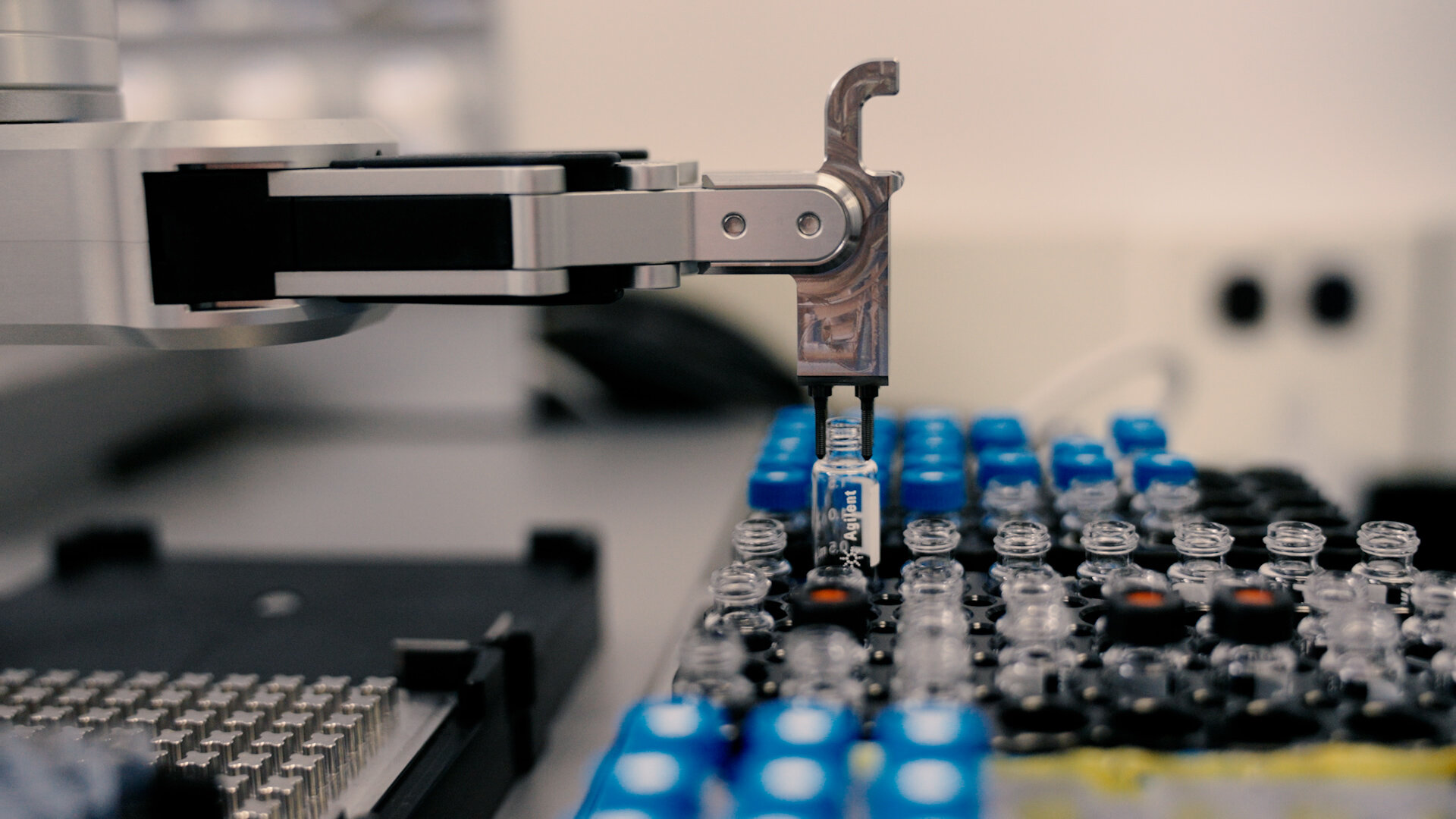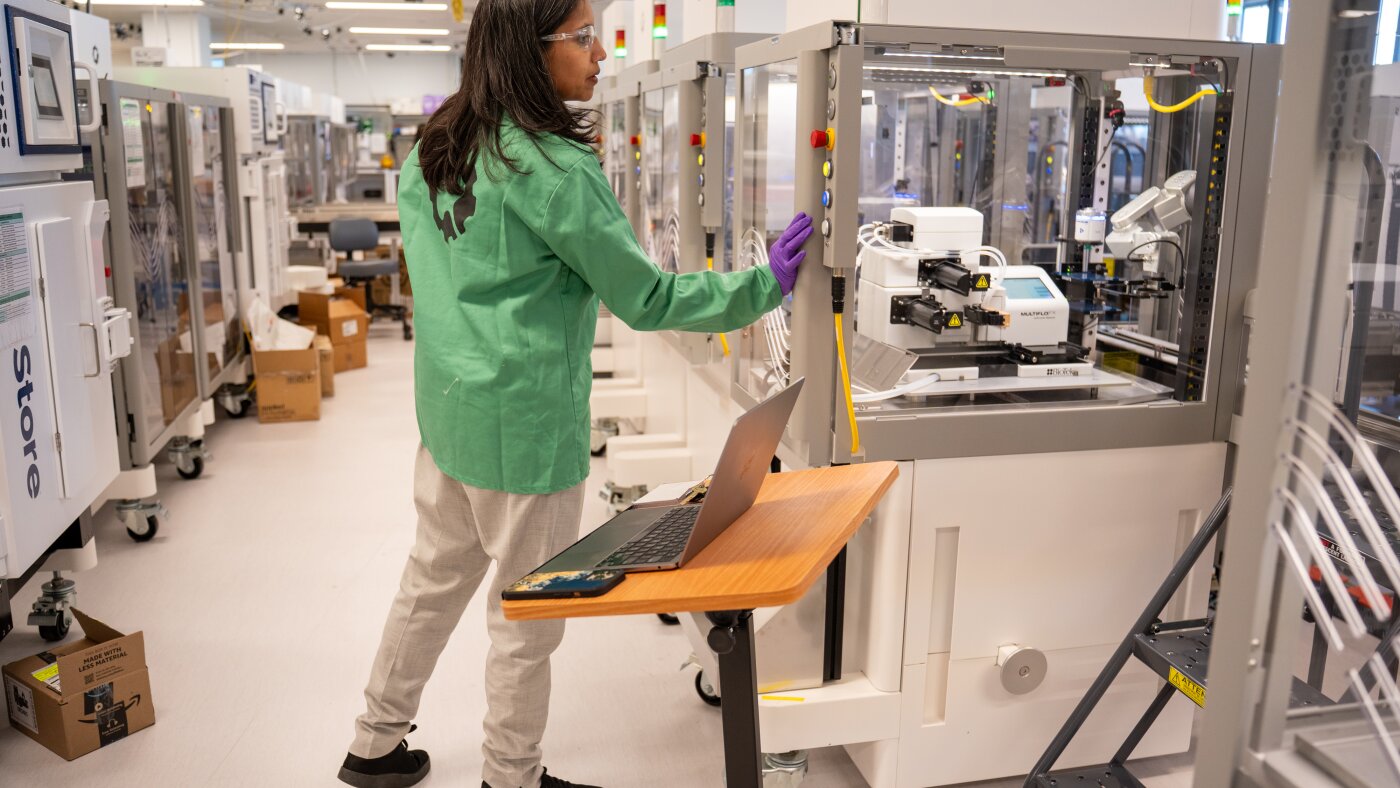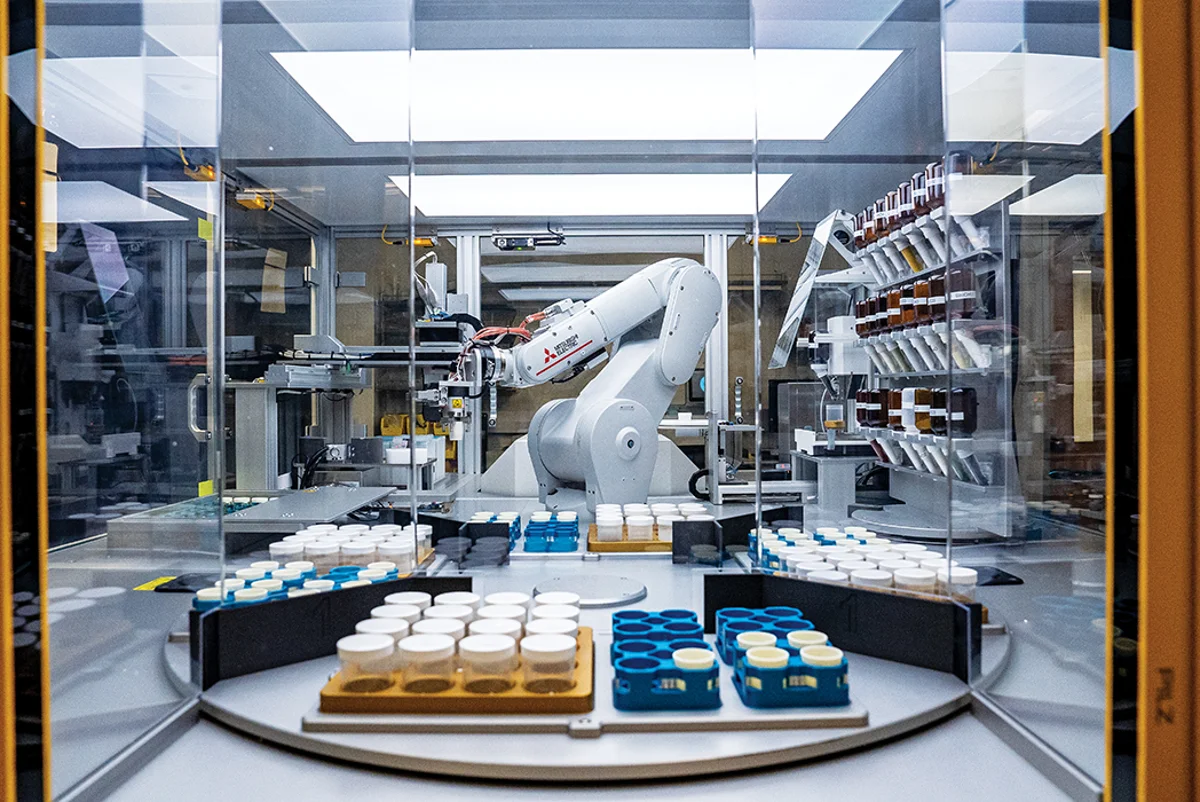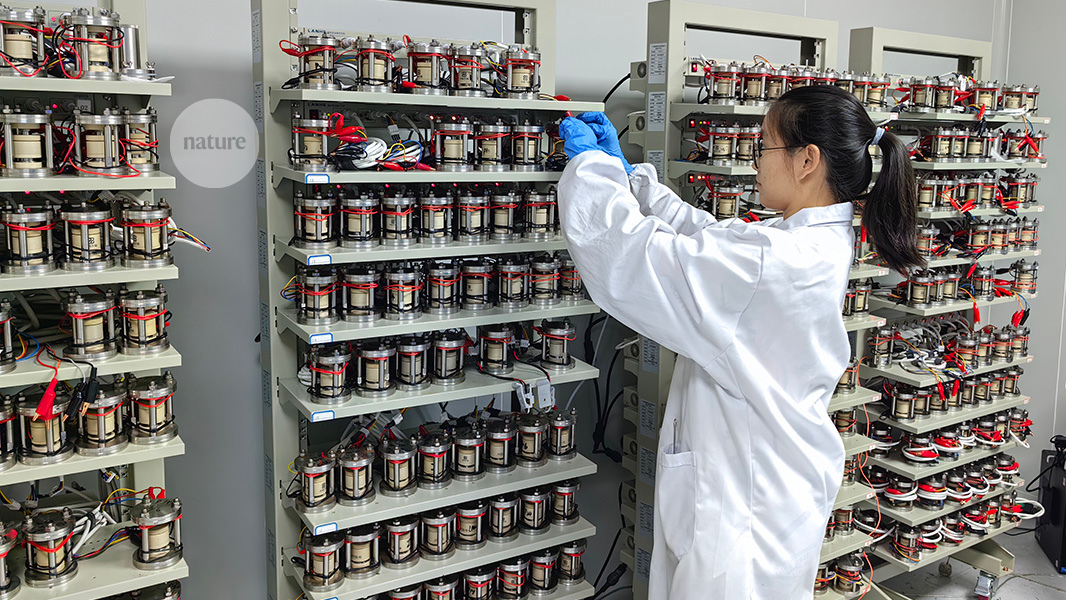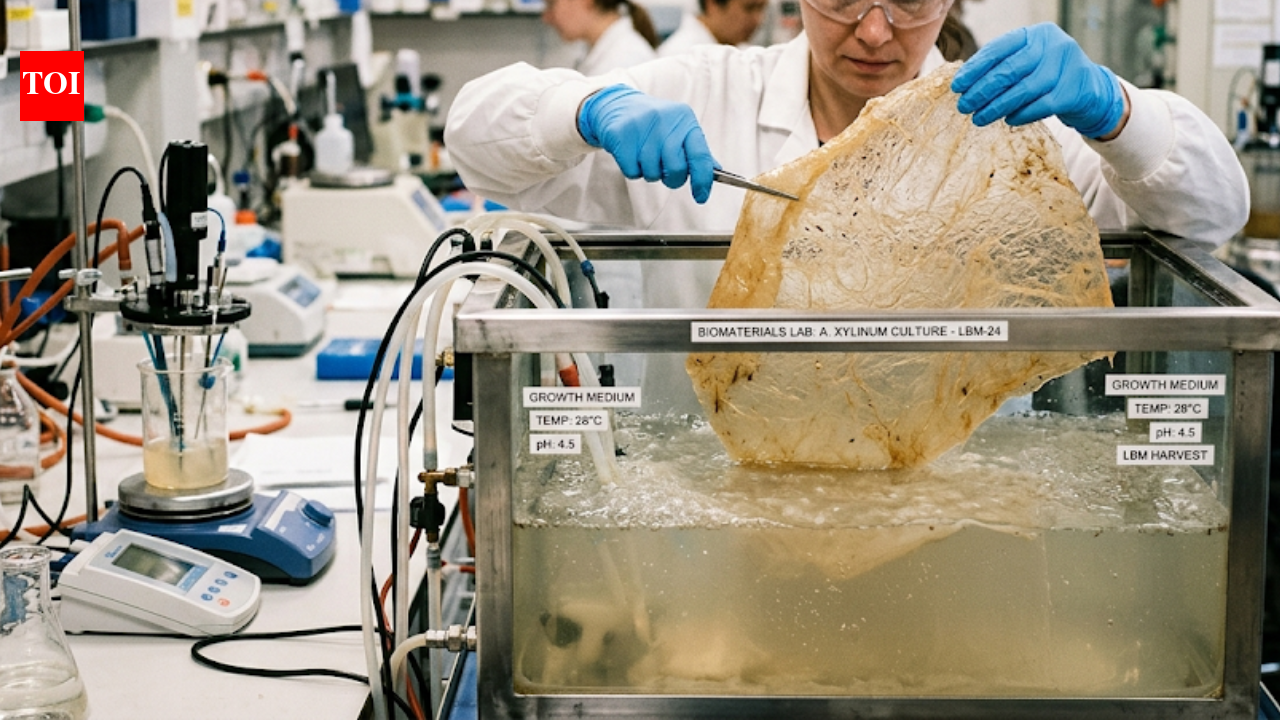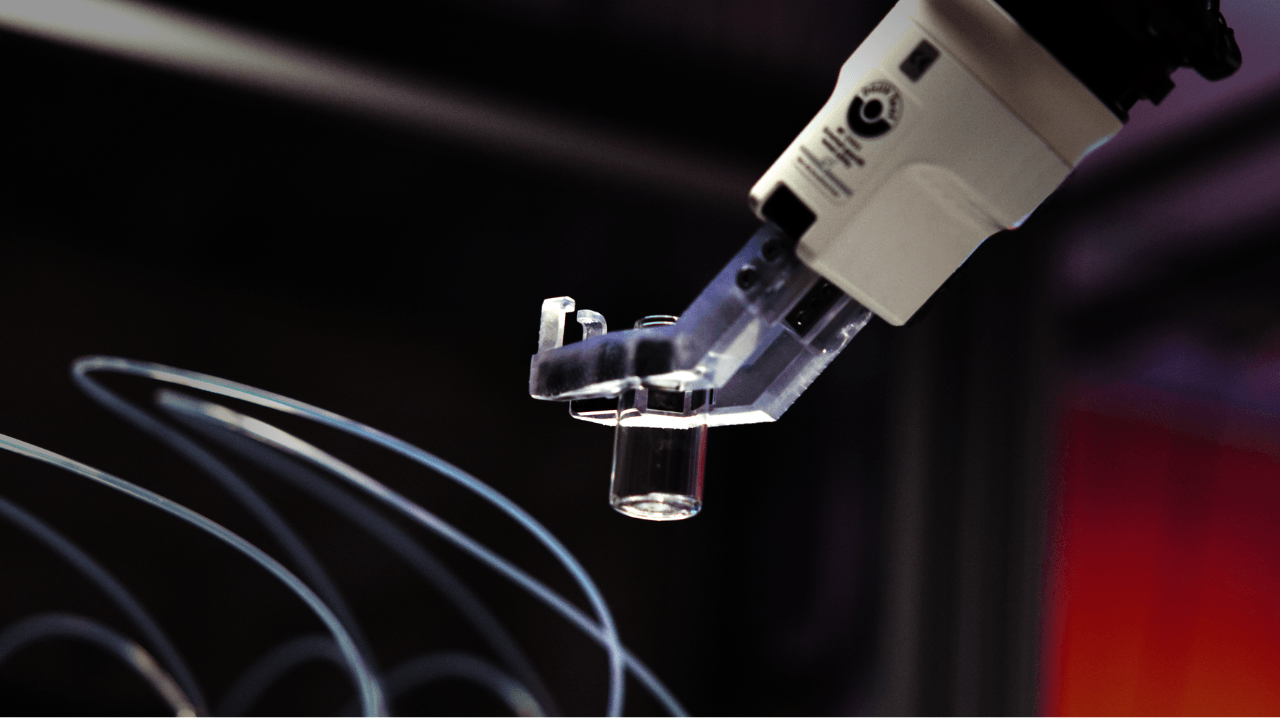
Chemical products such as medicines, plastics, soap, and paint are still often based on fossil raw materials. This is not sustainable, so there is an urgent need for ways to make a ‘materials transition’ to products made from bio-based raw materials. To achieve results more quickly and efficiently, researchers at Radboud University in the Big Chemistry programme are using robots and AI.
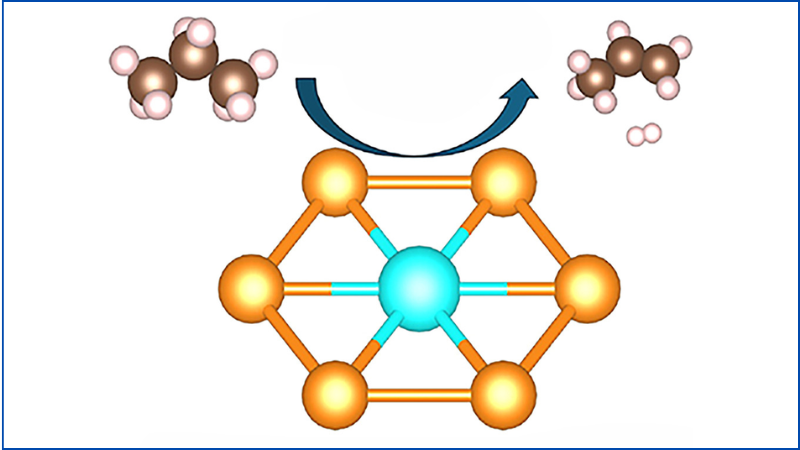
The material transition from fossil-based to bio-based (where raw materials are based on materials of biological origin) is a major challenge. Raw materials for products must be replaced without changing the quality of those products. This requires knowledge of the properties and behaviour of those raw materials at the molecular level. Wilhelm Huck, professor of physical-organic chemistry at Radboud University: “Moreover, you don’t want to optimize the properties of a single molecule, but of a mixture. And we can greatly accelerate that search with our robots and models.”
Millions of unpredictable interactions
The difficulty, Huck explains, is that most chemistry is ‘non-additive’. ‘Whether you dissolve one sugar cube in water or ten, essentially the same thing happens with ten cubes. That is predictable. But if you know how one molecule behaves and you know how another molecule behaves, you might think: if I put them together, I’ll get the combined or the average of the two. And that’s almost never the case in chemistry. In many cases, the interaction between molecules leads to an interaction that you couldn’t have predicted.”