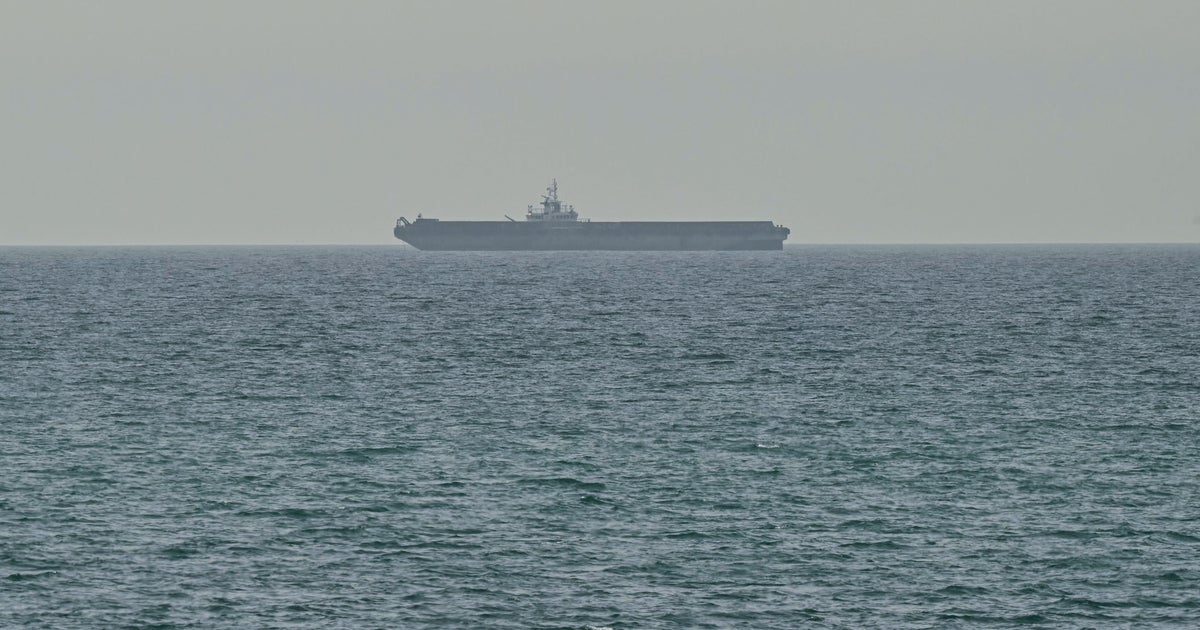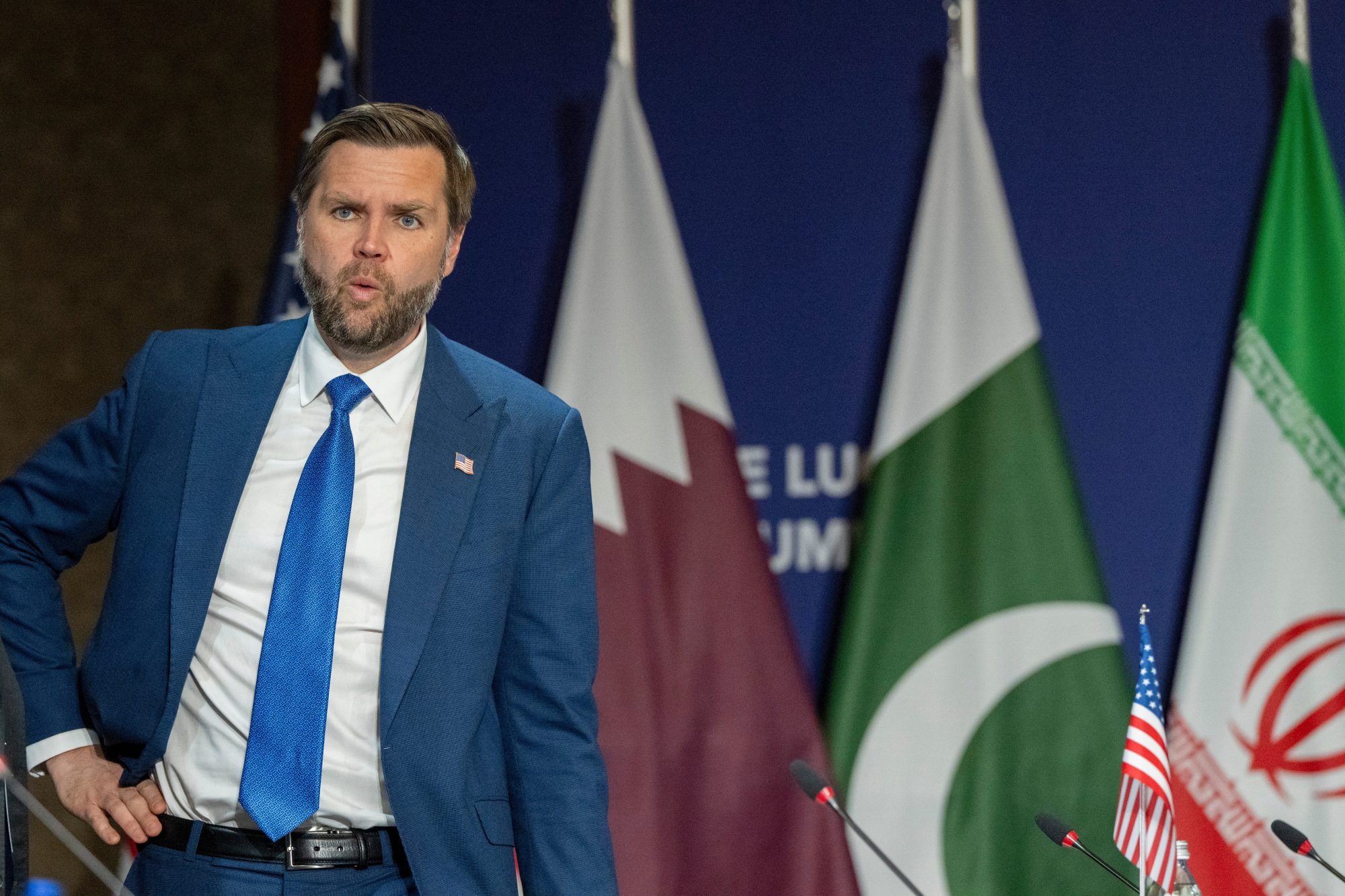
ABU DHABI—The talks that collapsed in Islamabad on April 12 were the first direct US-Iran conversation since 2015. After twenty-one hours, US Vice President JD Vance announced that there was no deal, that Iran had not accepted Washington’s terms, and that the naval blockade would be enforced. What he did not mention—and what apparently received too little attention during the marathon talks—was the six countries whose airports, energy infrastructure, and civilian neighborhoods had been struck by Iranian missiles and drones over the preceding forty days. The Gulf Cooperation Council (GCC) states were not parties to the Islamabad talks, and they do not appear to have been formally consulted at the time. While the GCC has sought to draw attention to their shared vulnerabilities, including at an April 28 summit in Jeddah, they have been too often overlooked in this crisis.
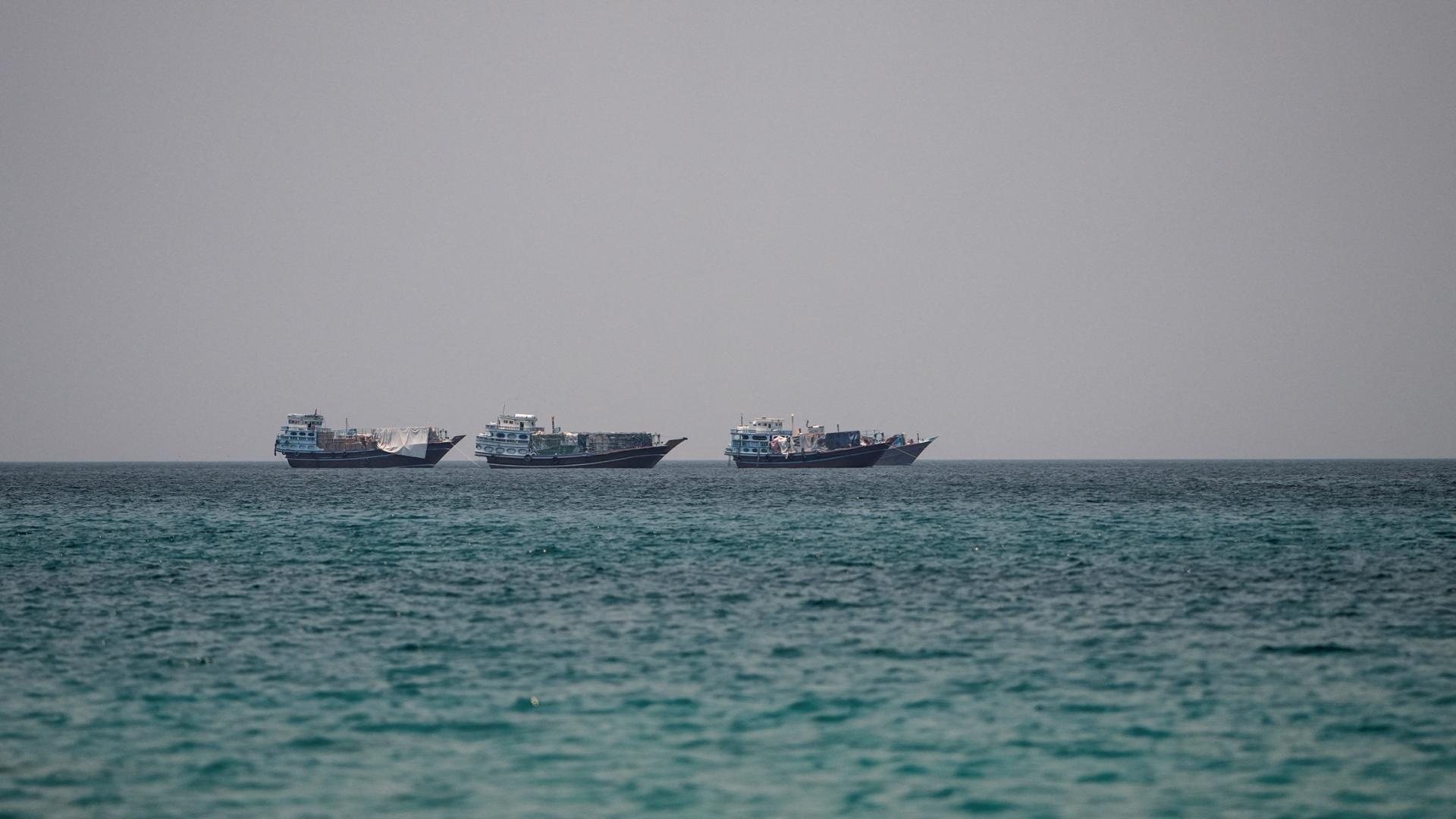
What Iran did next underscored this point. Tehran responded to Washington with a fourteen-point proposal, which amounted to reopening the Strait of Hormuz, ending the fighting, and deferring the nuclear file. Iran was apparently aiming to secure the removal of US pressure—the blockade, the strikes—before committing to anything on enrichment.