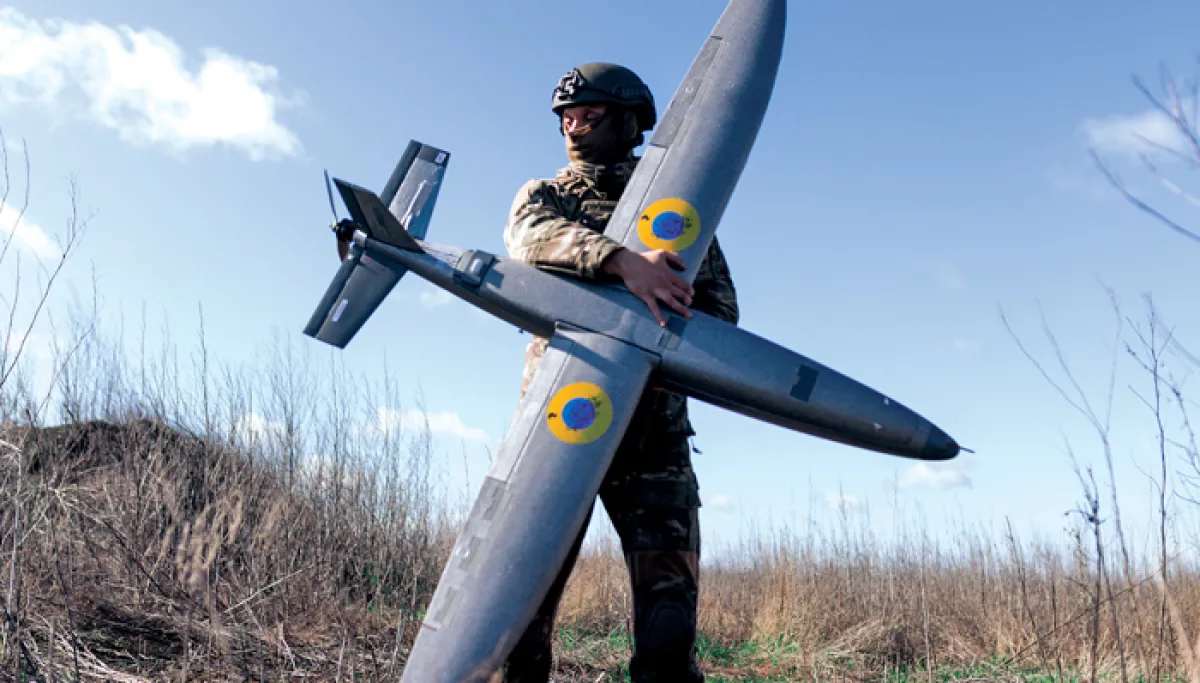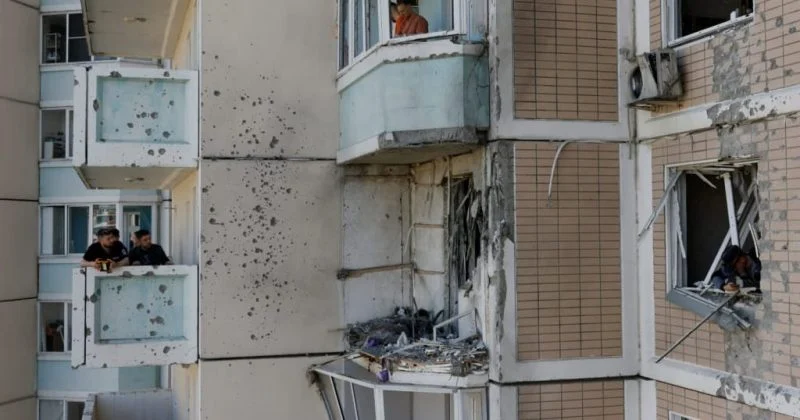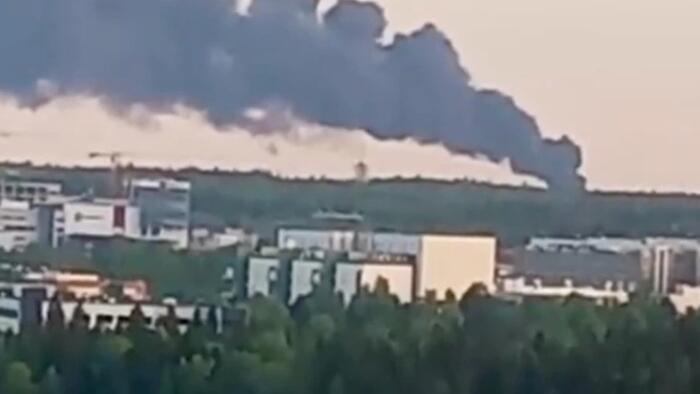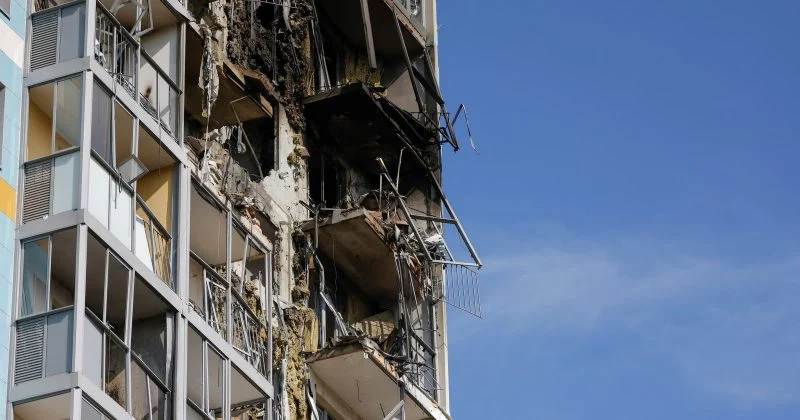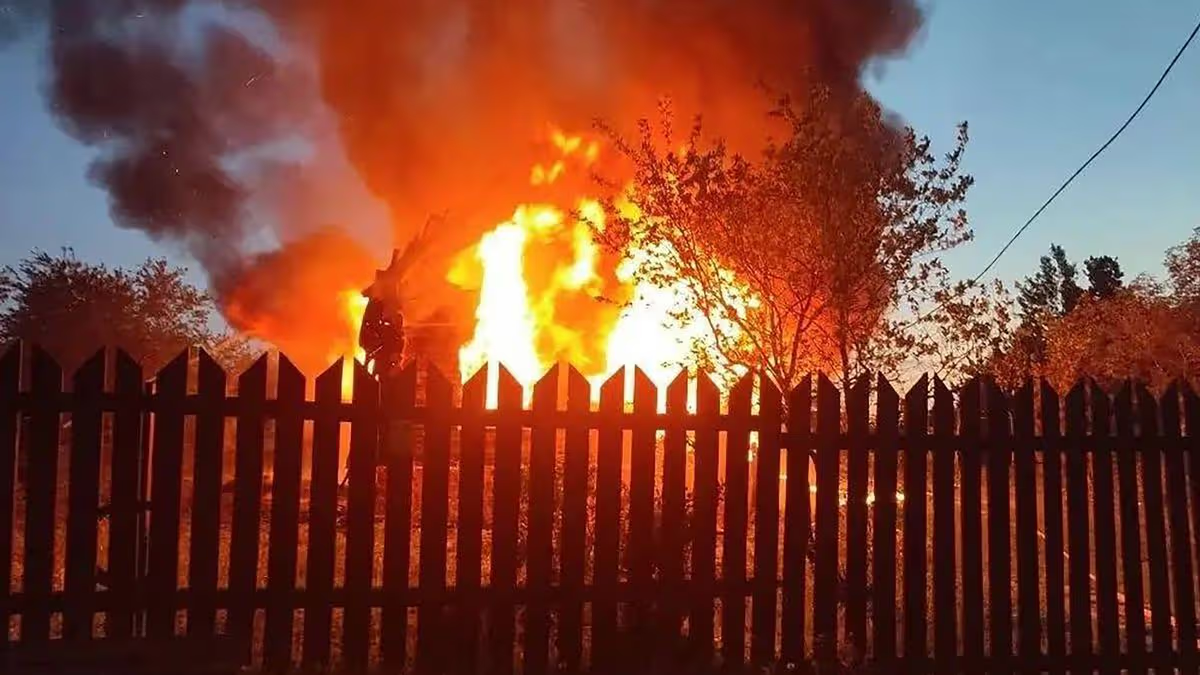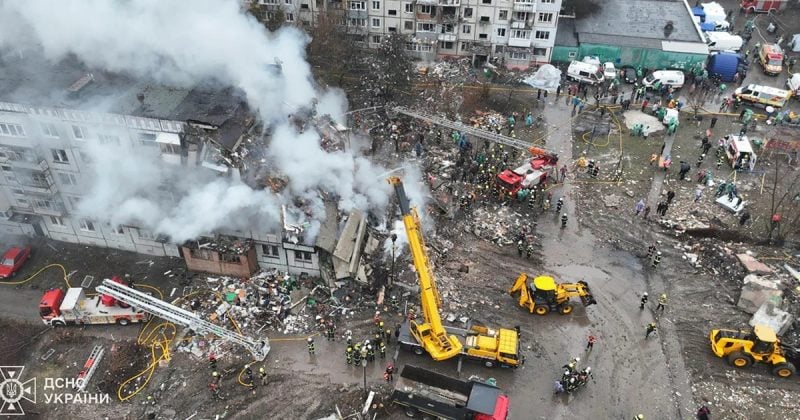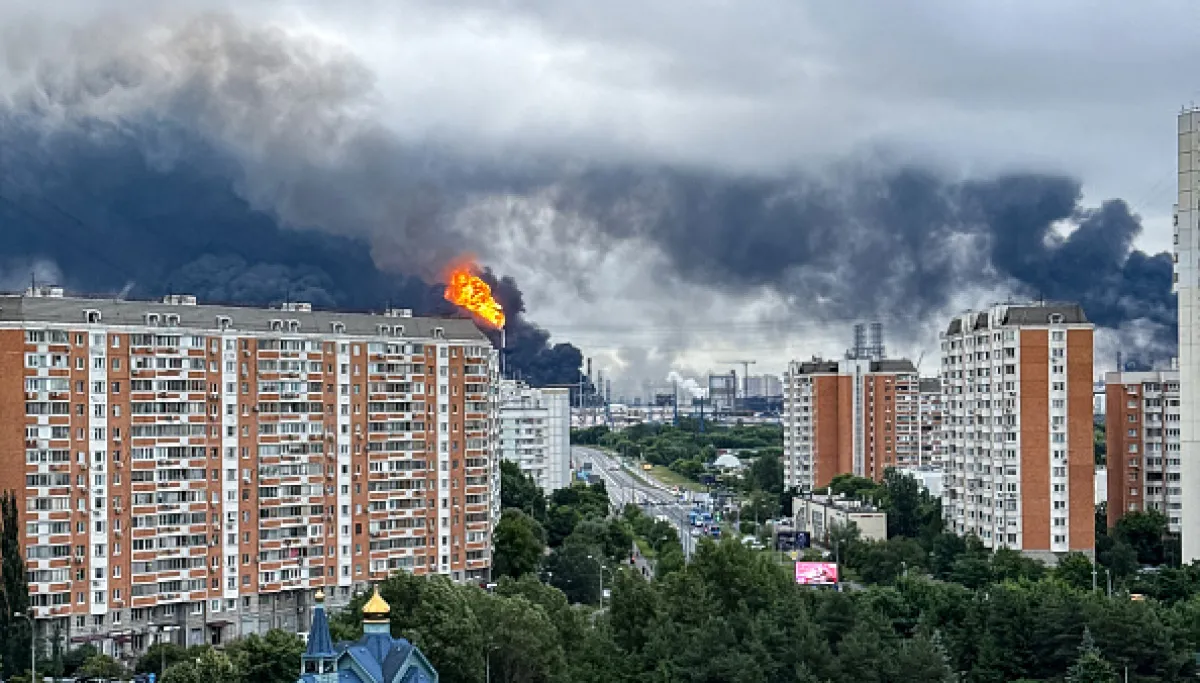
Moscow residents were left shaken last weekend by one of the largest Ukrainian drone attacks of the entire war. The overnight strikes hit a number of key targets in and around the Russian capital including the heavily defended Moscow Oil Refinery, which was reportedly forced to temporarily halt operations. This attack was the latest in a series of recent indications that Ukraine is now gaining the upper hand over Russia in the drone war between the two countries.
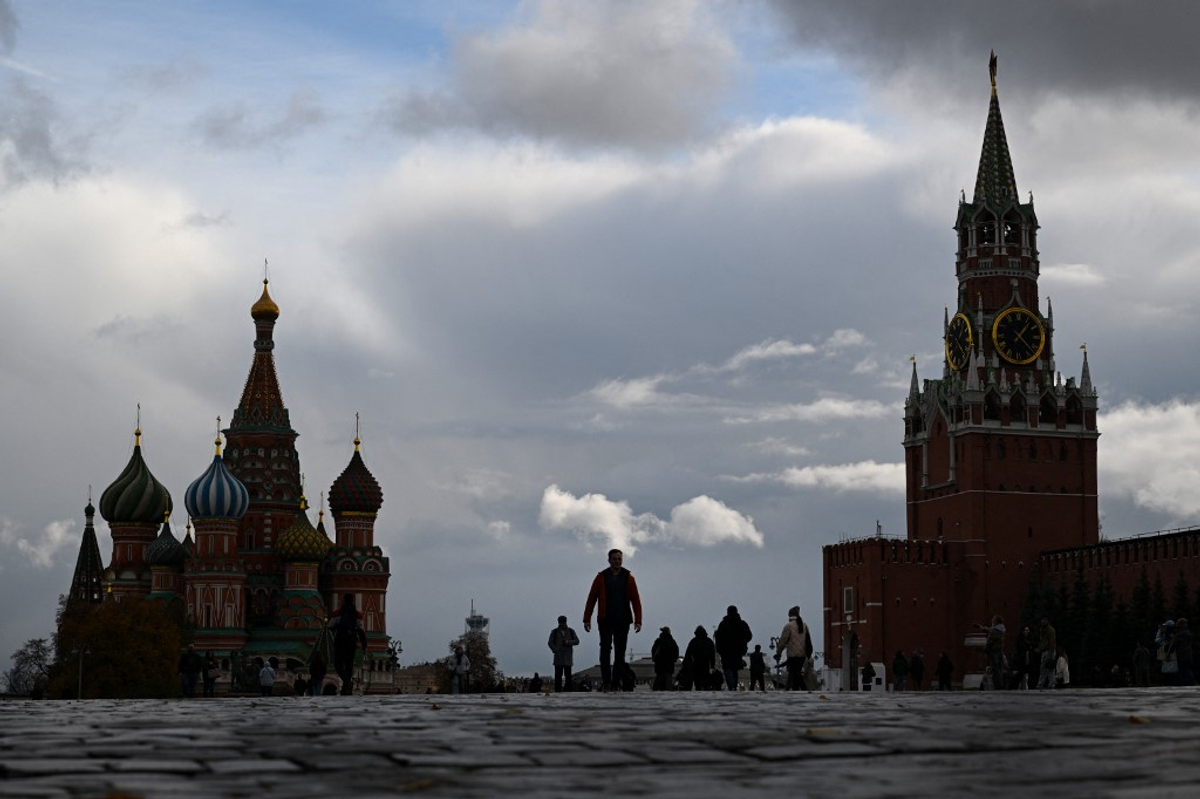
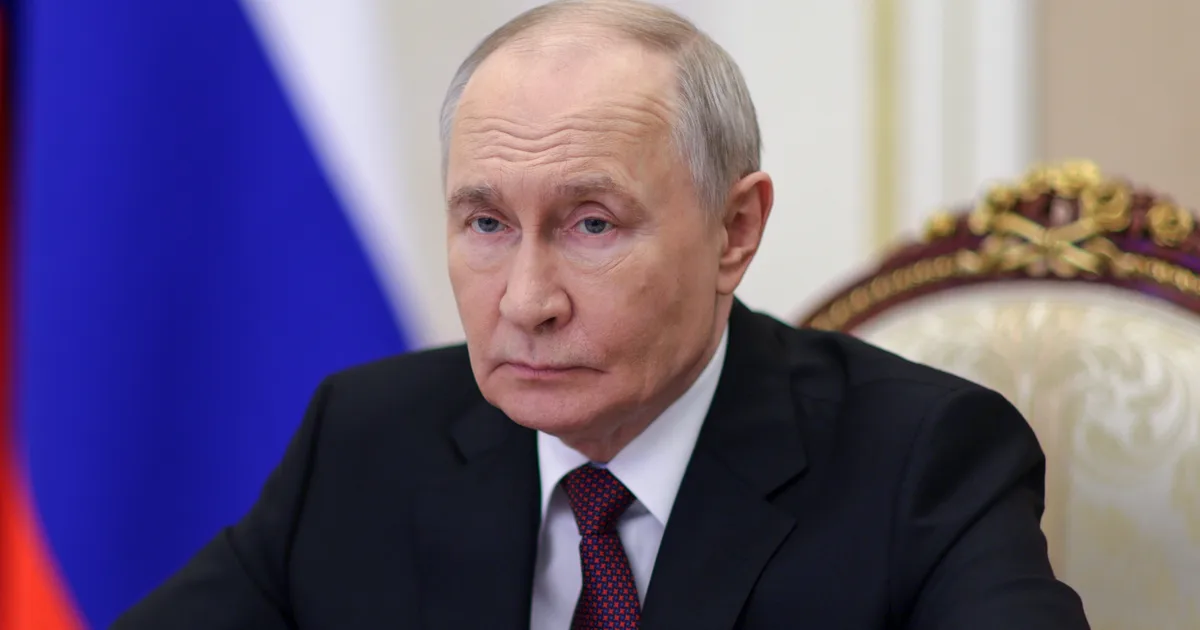
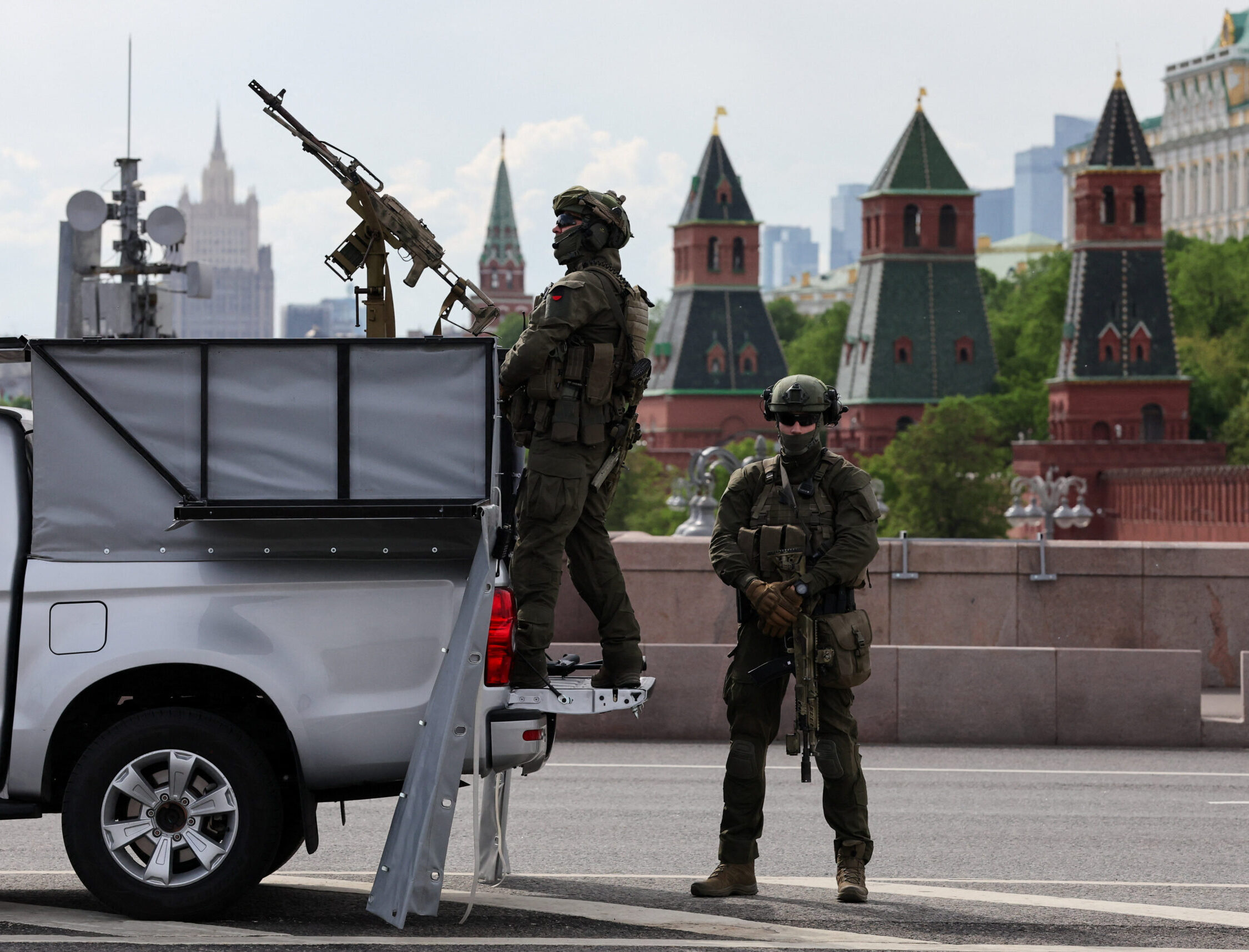
A week before Sunday’s drone strikes, Moscow had hosted a dramatically downgraded Victory Day parade that underscored the Kremlin’s mounting inability to cope with the threat posed by Ukrainian drones. Russia’s annual Victory Day celebrations have traditionally been an opportunity for Vladimir Putin to project power and showcase his most impressive military hardware. This year, however, fears of a possible Ukrainian bombardment forced Putin to scale back the parade and tacitly acknowledge that he could no longer guarantee security in the skies above his own capital.
Putin’s Victory Day humiliation came following months of escalating long-range Ukrainian drone strikes on military and industrial sites across Russia. Since early 2026, Ukraine has been able to conduct a series of powerful drone raids on strategic targets including major refineries and multiple oil terminals on the Baltic Sea and Black Sea that play a crucial role in Russian energy exports. These strikes have limited Russia’s ability to benefit economically from the surge in global oil prices due to the war in Iran.