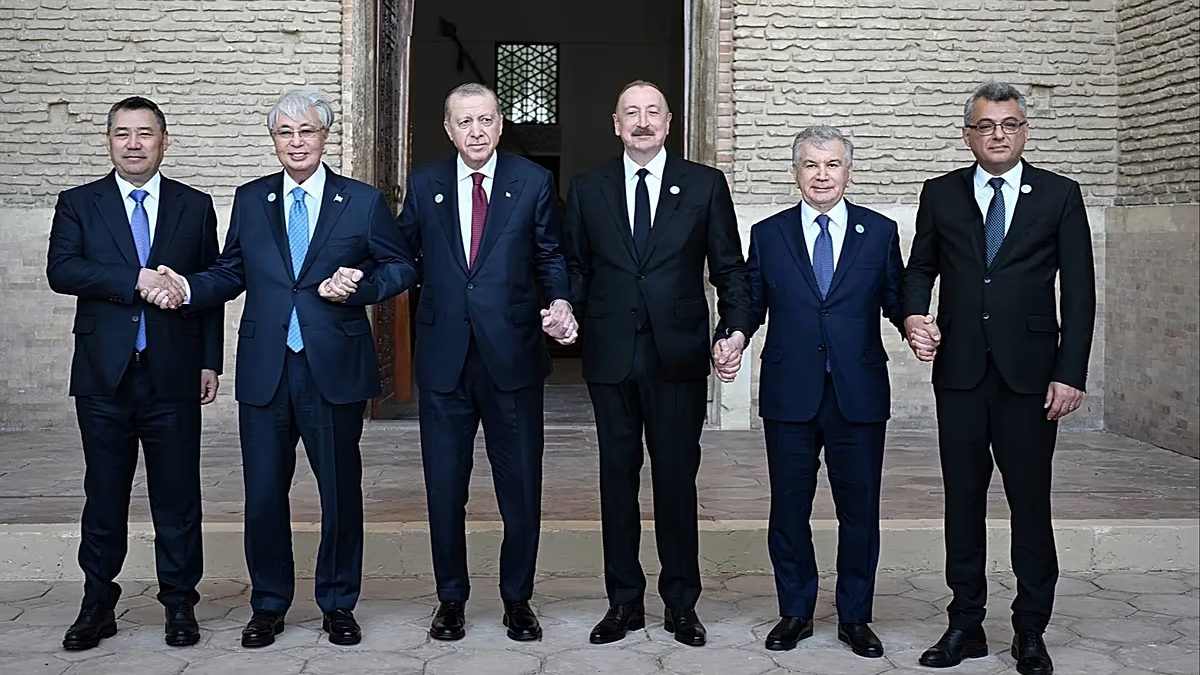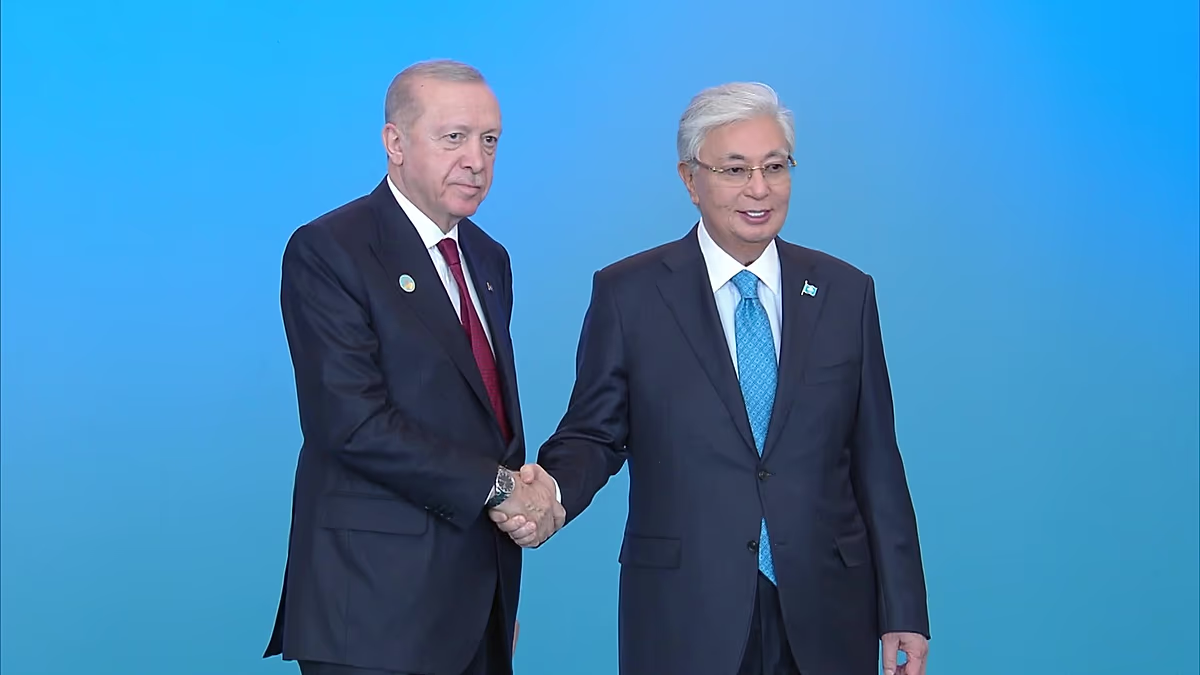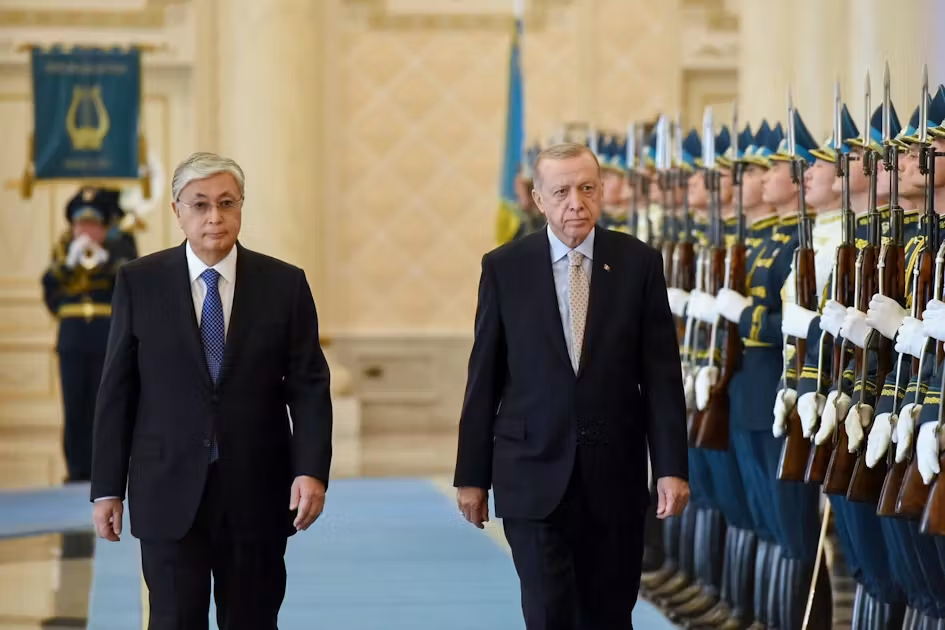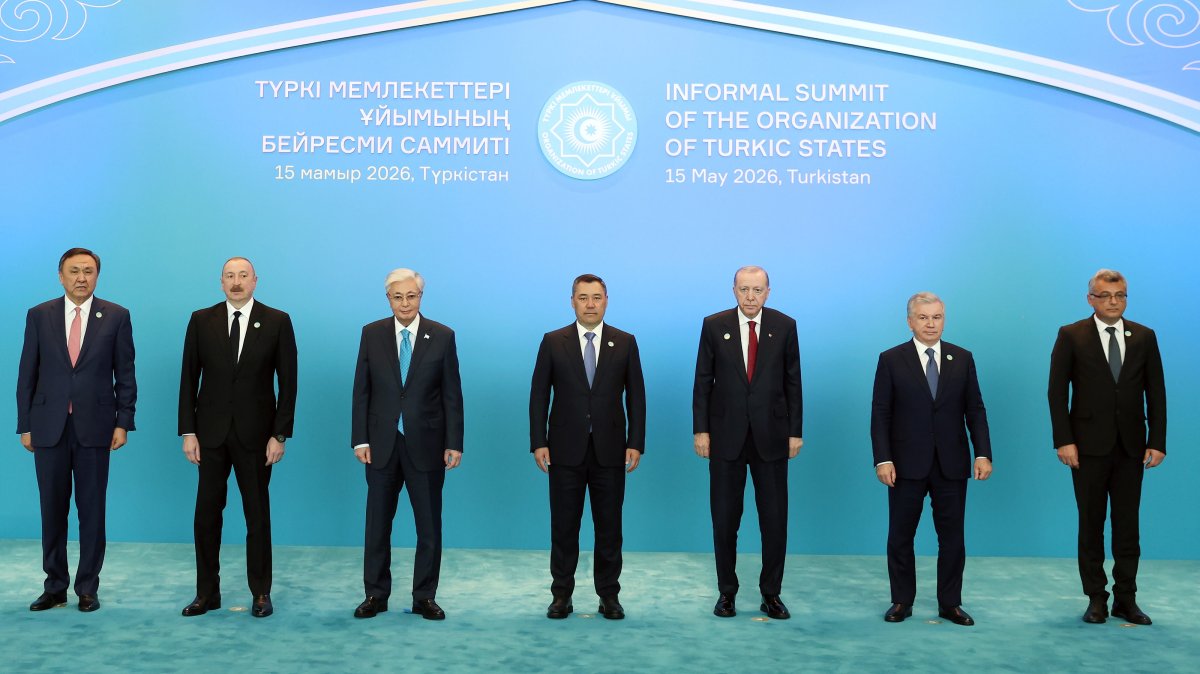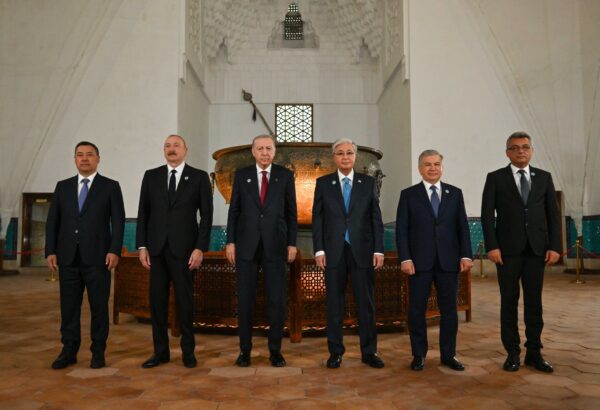
The informal summit of the Organization of Turkic States (OTS) held in Turkistan, Kazakhstan on May 15 offered a revealing glimpse into how Astana sees the future of Turkic cooperation. Outside observers have often viewed the OTS through one of two narrow lenses: either as a symbolic cultural project built around shared linguistic identity, or as the early foundations of a more geopolitical pan-Turkic bloc led by Turkiye.
Both interpretations are increasingly incomplete. The summit in Turkistan suggested something far more pragmatic is taking shape, and Kazakhstan is looking to play a central role in shaping it.
Hosted under the theme of “Artificial Intelligence and Digital Development,” the summit was notable for what it prioritized. Rather than focusing on ideological rhetoric or hard security cooperation, discussions centered on artificial intelligence, digital infrastructure, cybersecurity, transport connectivity, satellite cooperation and technological competitiveness. The summit concluded with the signing of the Turkistan Declaration, while President Kassym-Jomart Tokayev used the platform to present a series of proposals aimed at transforming the OTS into a more functional platform for modernization.