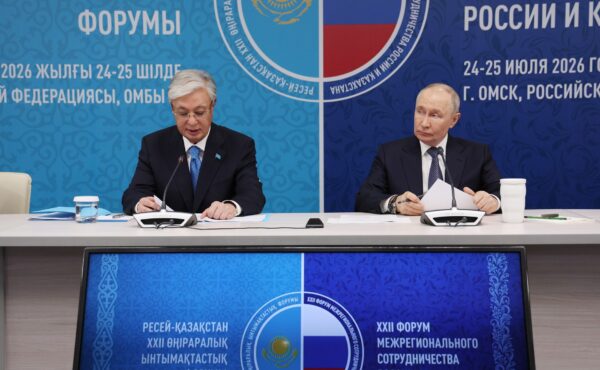
Situated at the heart of Eurasia, Kazakhstan has cultivated political and economic relationships with Russia, China, Western countries, and its Central Asian neighbors, enabling it to adopt what scholars term a “multivector foreign policy.” This approach allows the country to engage cooperatively with diverse geopolitical actors without firmly aligning with any single bloc, while also positioning Astana to support mediation initiatives and help ease tensions among competing powers.
Indeed, since the end of the Cold War, Kazakh leaders have consistently emphasized the importance of maintaining balanced relations with major global powers. This approach was on display during at the most recent U.N. General Assembly debate, where Kazakh President Kassym-Jomart Tokayev described middle powers such as Kazakhstan as potential “bridges” capable of fostering cooperation when major powers are unable or unwilling to work together.
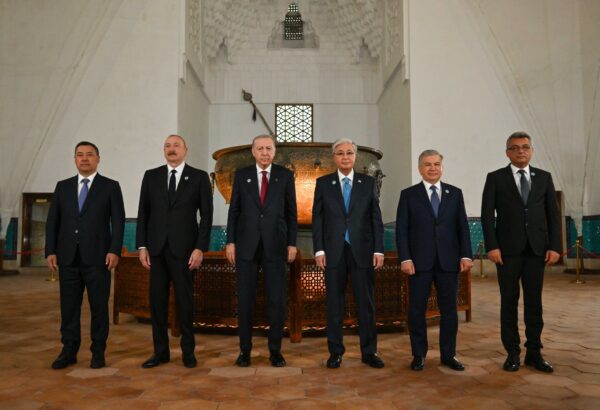
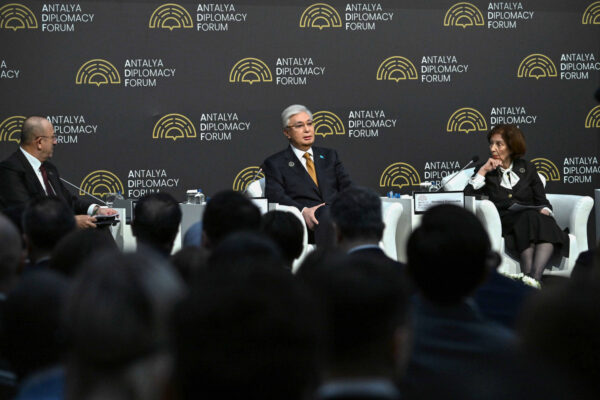
Kazakhstan’s commitment to this foreign policy approach was evident during the most recent round of Antalya Diplomacy Forum. Tokayev expressed concern that many international organizations are no longer functioning as effectively as they once did. While reaffirming his confidence in the U.N., he noted that many critical negotiations increasingly take place outside the organization, weakening its ability to mediate international disputes.