An experimental diagnostic tool in the form of a computer game was able to quickly identify patients with depression based on anhedonia, a key feature of the disease, a new study shows.
Present in about 70% of patients with major depressive disorder (MDD), anhedonia is loss of the ability to enjoy normally pleasureful things. It is known to shift the point at which people decide whether an activity brings them pleasure.
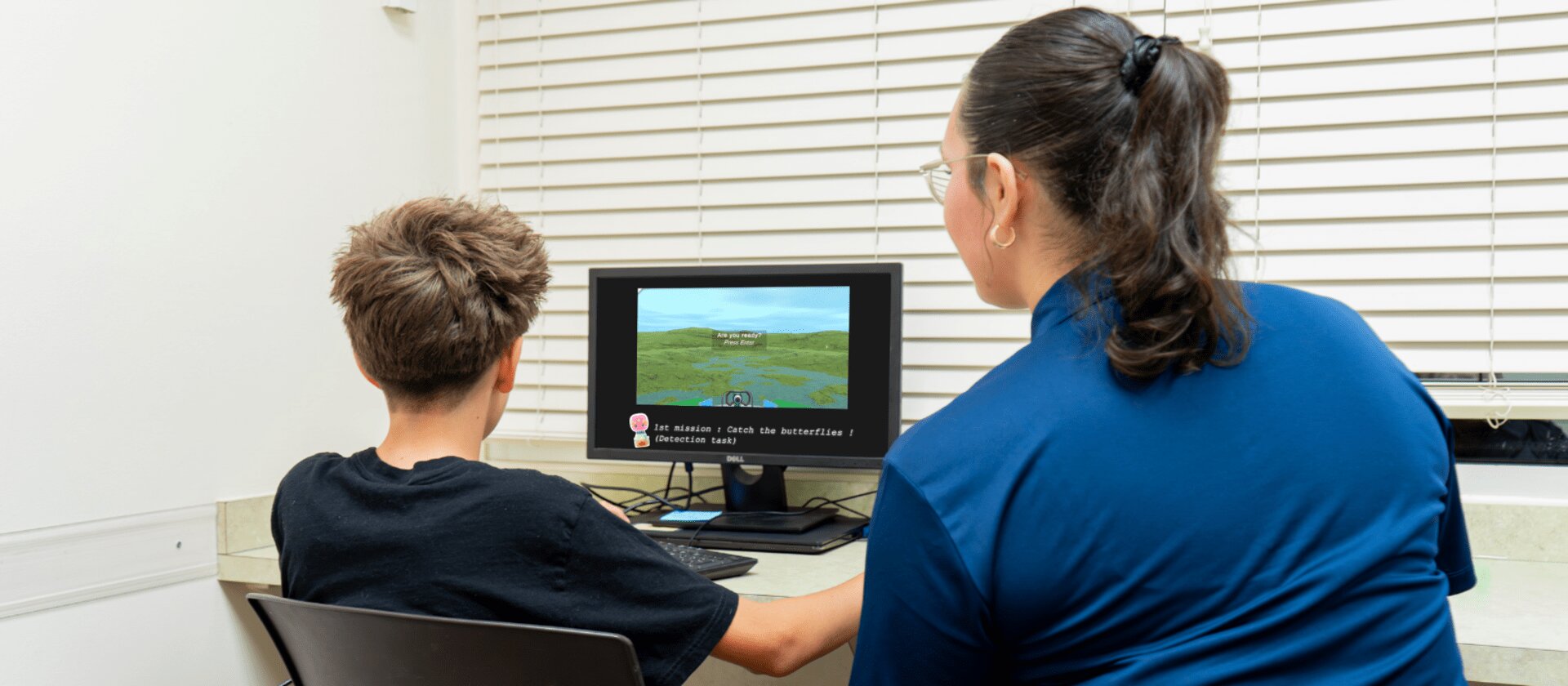
Published online May 18 in the Proceedings of the National Academy of Sciences, the new report describes a low-cost game that reliably identifies patients with MDD in as little as three minutes. The game, which is based on neurobiological studies, can be played remotely on a smartphone, and its diagnostic accuracy compares well with the best existing tests, which are typically used across a number of in-person clinic visits, say the study authors.
Led by NYU Langone Health researchers, the new work found that people previously diagnosed with major depression by standard tests stopped taking pleasure in the game's main activity 50% sooner than healthy subjects.
"Our behavioral game gives us clues to what is happening in the brains of patients with depression, which we hope will let us identify them as reliably as finding heart disease by taking someone's blood pressure," said co-senior study author Paul W. Glimcher, Ph.D., chair of the Department of Neuroscience and director of the Institute for Translational Neuroscience at the NYU Grossman School of Medicine.