Get your news delivered straight to you by 7am - sign up to our new Morning Mail newsletter for FREEBy ED HOLT Published: 00:29 BST, 16 May 2026 | Updated: 00:45 BST, 16 May 2026
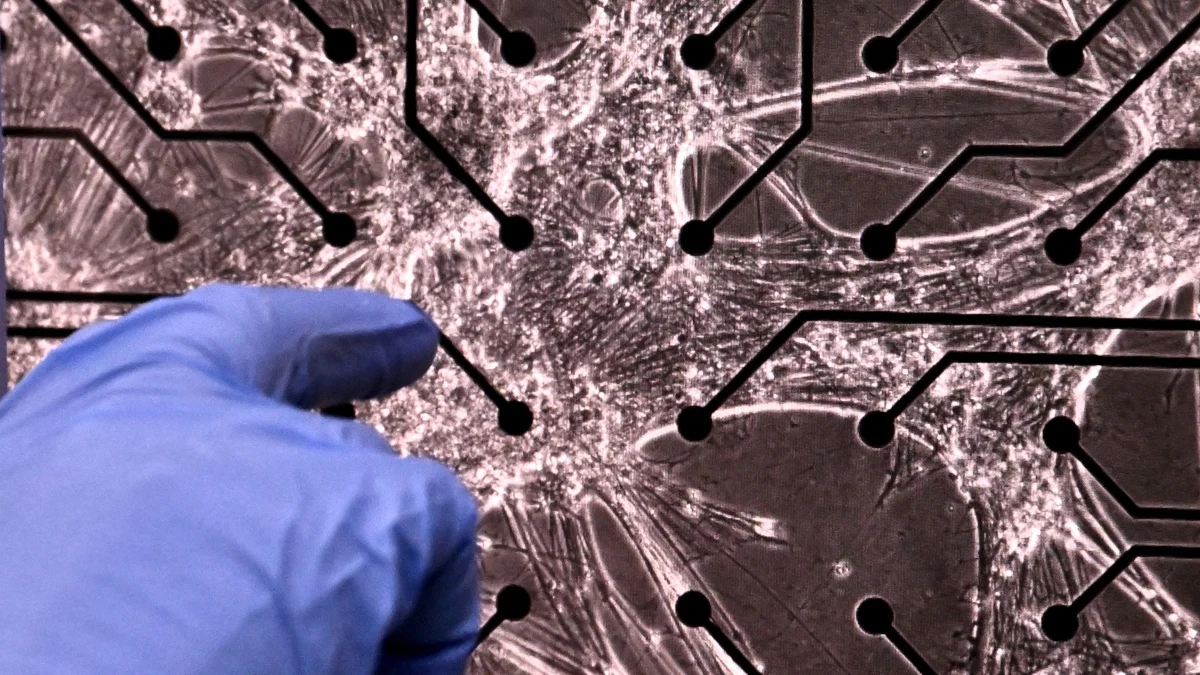
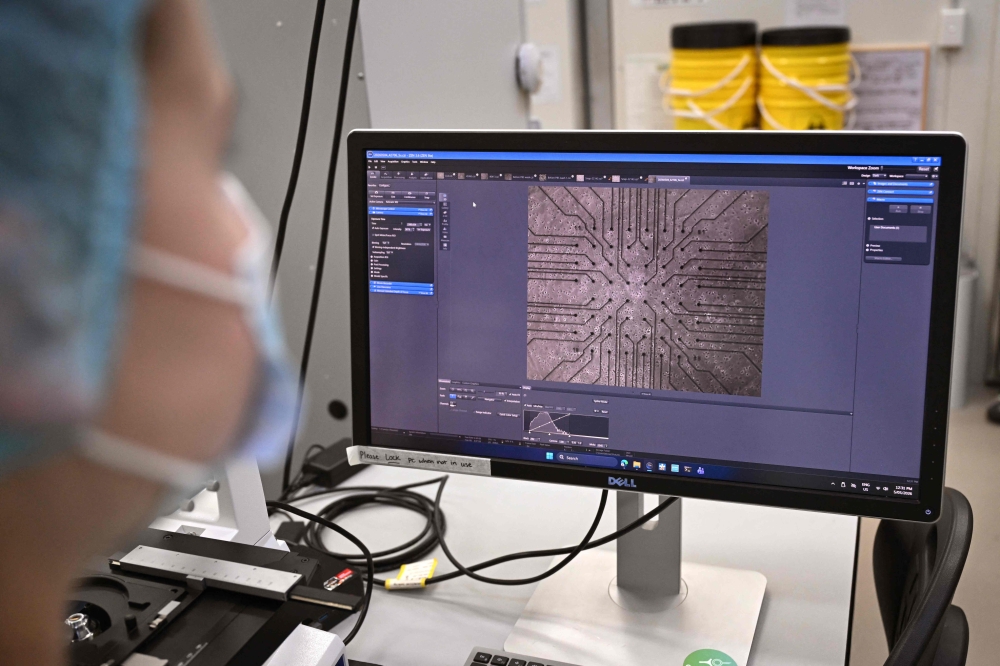
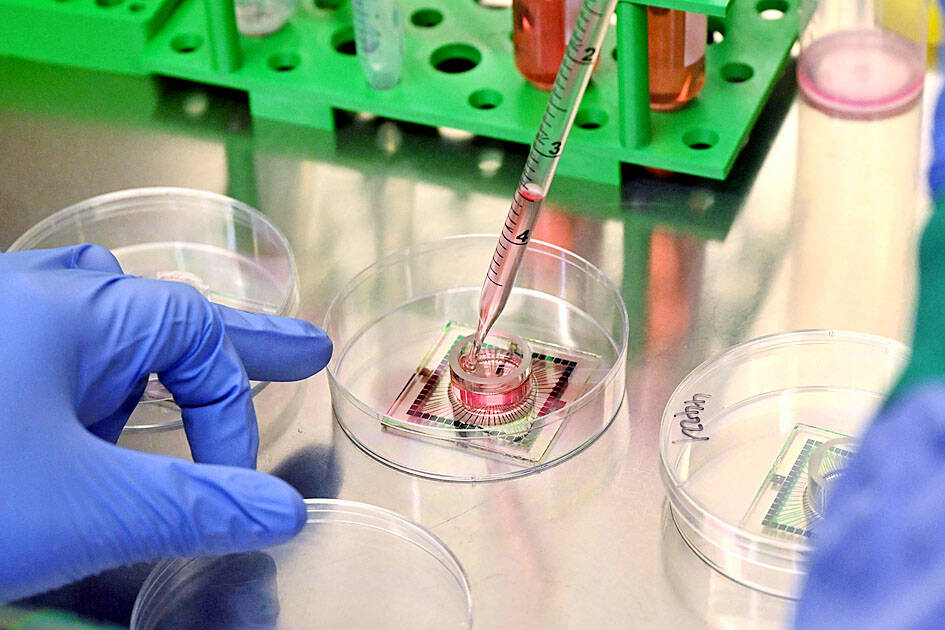
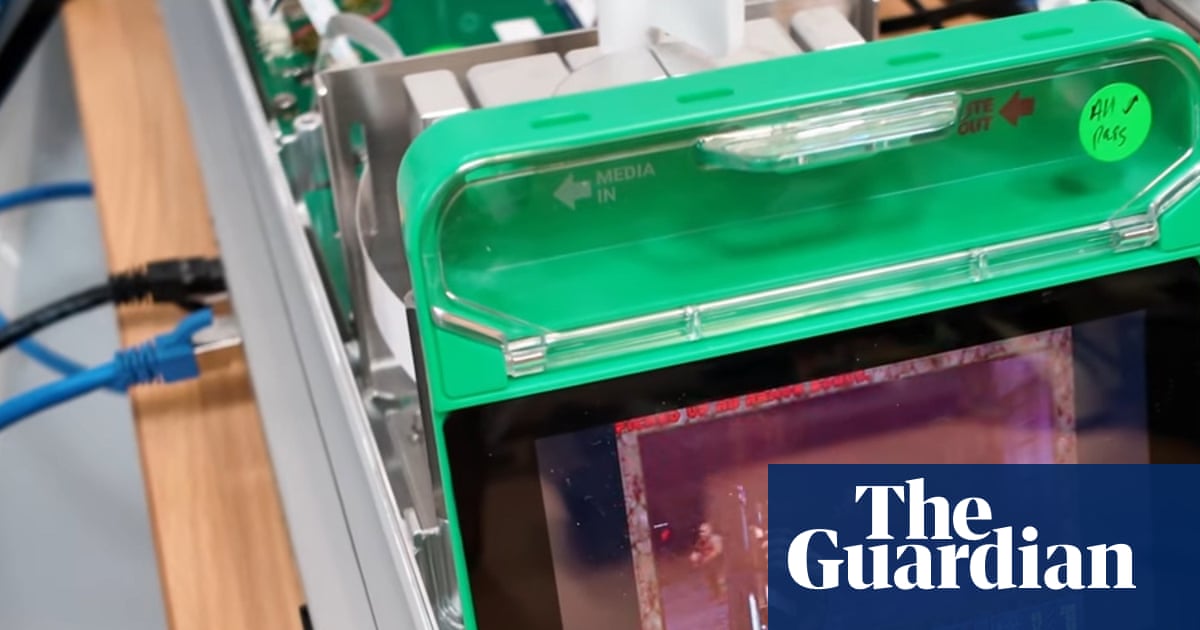
Scientists have developed a lab-grown brain that can play video games.The 'biological computer' has brain cells, which are grown in a dish and kept alive in a life-support system, which have learnt to play the 1990s classic Doom and the arcade game Pong.Although it played the game badly, the aim of the experiment is to give scientists a new way to watch how brain cells work to learn about what causes conditions such as autism, ADHD and depression.The machine is the work of Australian start-up Cortical Labs and is the first commercially available 'biological computer', costing about £26,000. The Cl1 can also be rented by scientists across the world who can access the futuristic technology through the internet. To create the lab-grown brain, skin cells from Hon Weng Chong, the company's CEO, were taken and transformed into neurons like those in the human brain.Inside the CL1, the cells are kept alive in a nutrient-rich broth on top of microscopic electrodes. These then send them electrical signals and record the cells' own electrical activity.It is then sent 'clean' electrical signals when it does something 'right' and noisier ones when it does not. An MRI scan of a human brain (file image). One concern on this new frontier of technology is the ethics behind using human cells to create a 'biological computer' The 1990s classic shooting game Doom - which a 'biological computer' made of lab-grown brain cells has learned to play Pictured: The CL1 machine developed by Australian start-up Cortical Labs. It is the first commercially available 'biological computer', costing about £26,000So, over time, the mini-brain then learns and adjusts its behaviour, which is how it learnt to play Doom.Sven Truckenbrodt, a neuroscientist at the MRC Laboratory of Molecular Biology in Cambridge, who is not employed by Cortical Labs, told The Times: 'You can see the machine making decisions, essentially, to navigate this world.' Mr Truckenbrodt is one researcher who plans to use CL1 devices to study brain disorders, such as schizophrenia, to watch how neurons connect, form, change and fail under different conditions. The experiment will attempt to prove brain disorders are caused by faulty neurons connections - something neuroscientists have wanted to do for generations.'Things are happening that we have been dreaming about for the last 50 to 100 years. We are seeing a paradigm shift,' he said. One concern on this new frontier of technology is the ethics behind using human cells to create a 'biological computer'. An ethical dilemma being discussed at the moment is about at what point does the lab-grown brain cease to be just lab equipment and something else.Scientists at the moment have stressed that the CL1 is far simpler than the brain of an insect and there is no evidence it has anything resembling consciousness.Nevertheless, Cortical Labs is working with ethicists to set guidelines to try and understand when an ethical line might be crossed. But, for now, the pioneering experiments will carry on and Mr Chong has gone as far to say 'a completely different class' of computing may be possible.