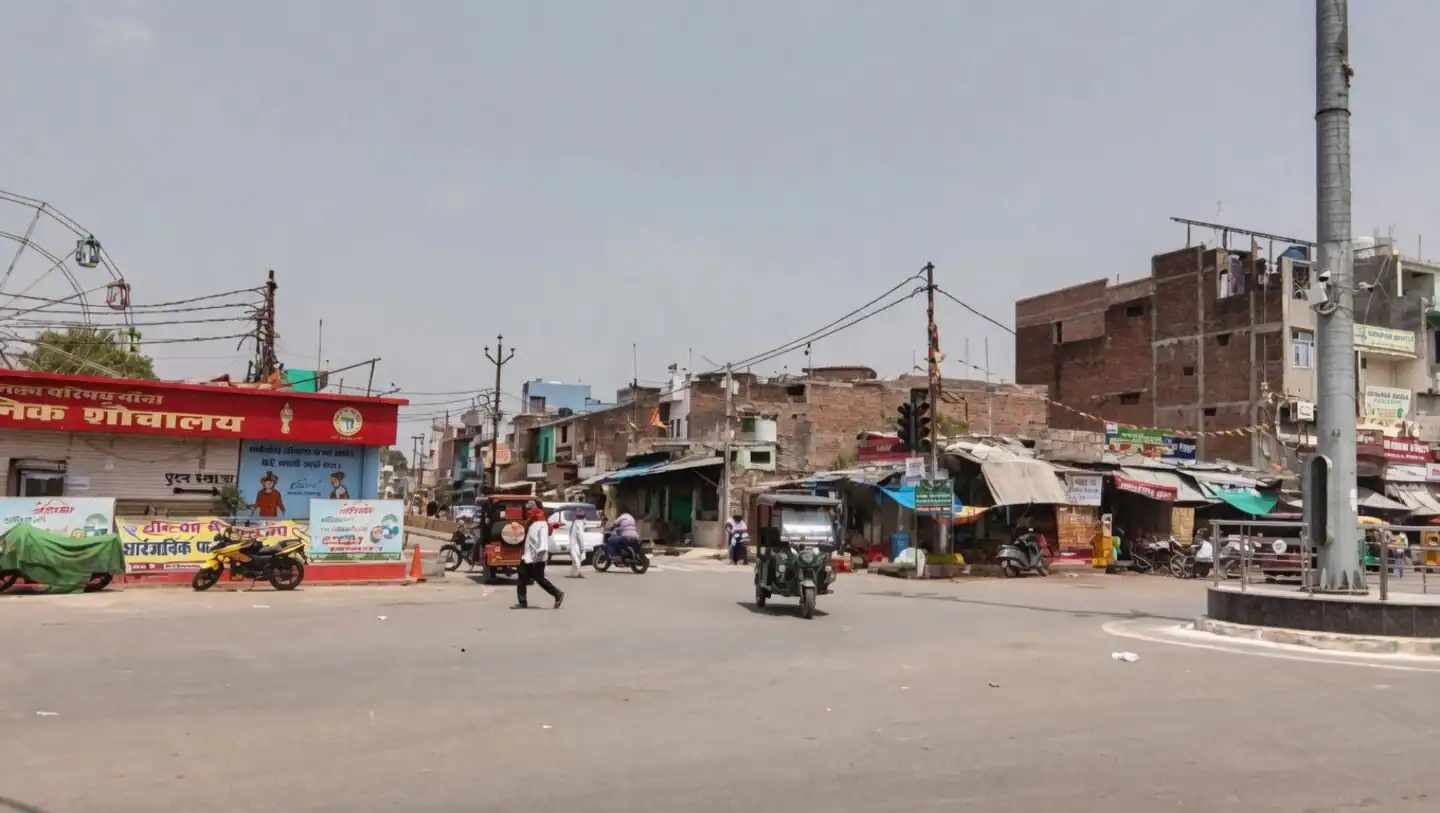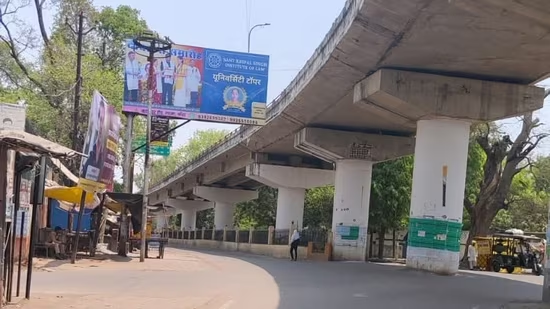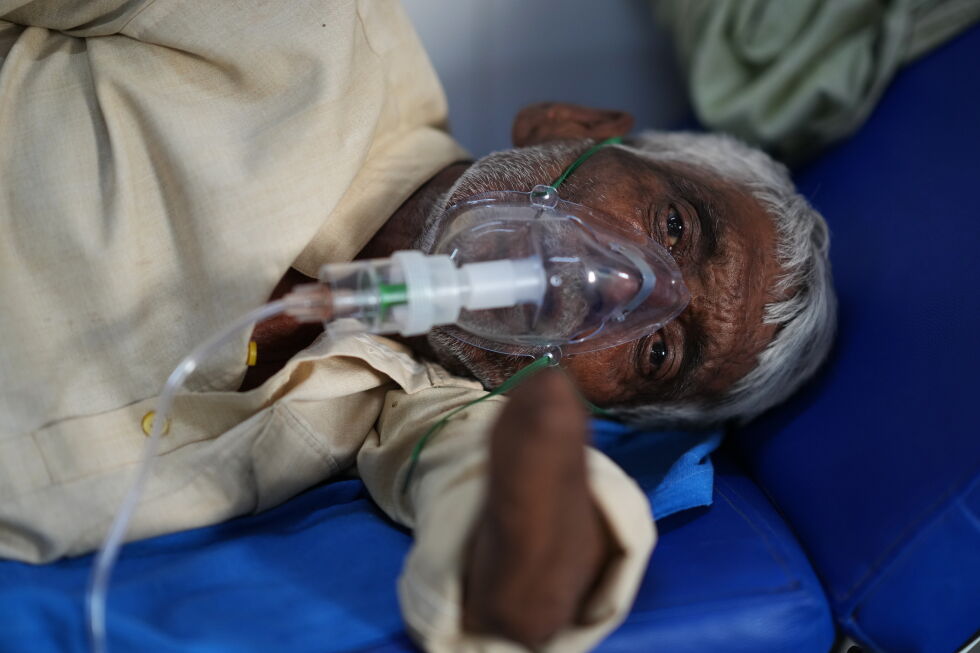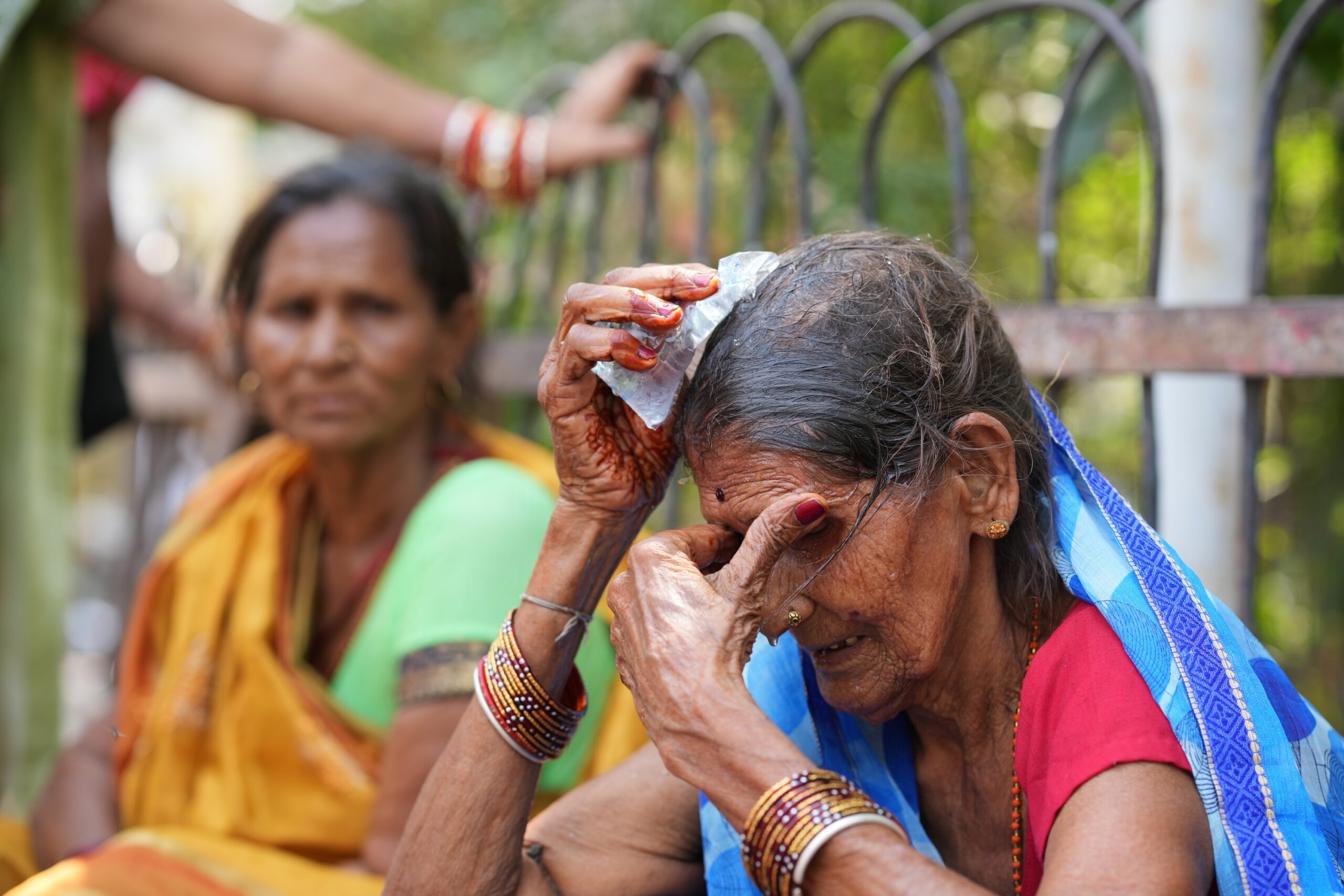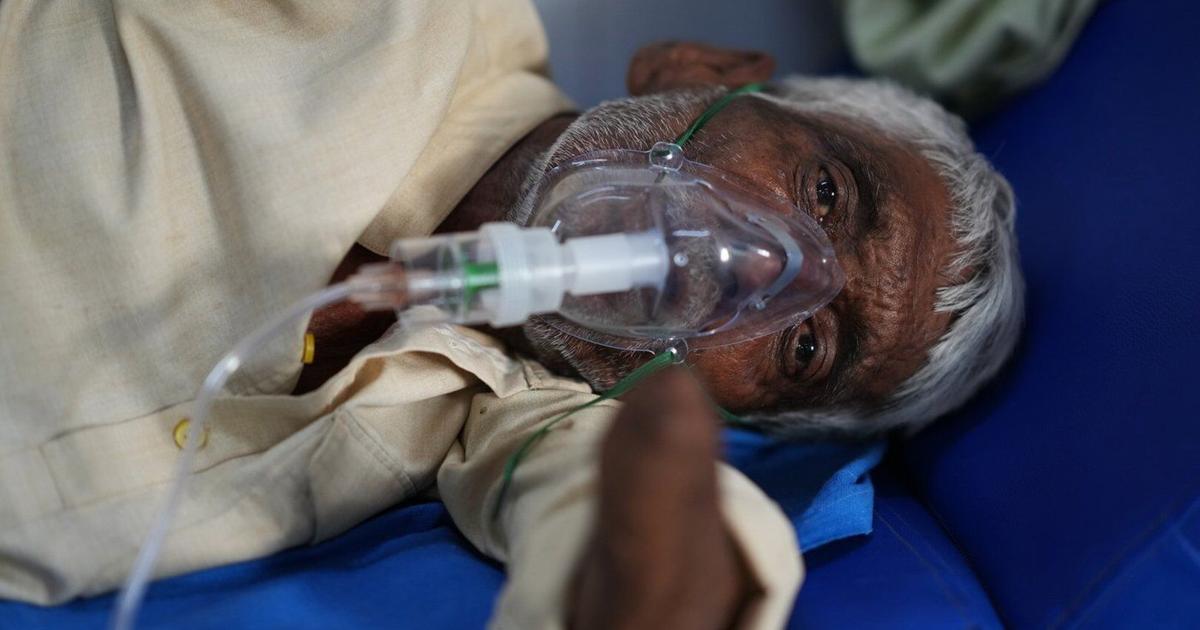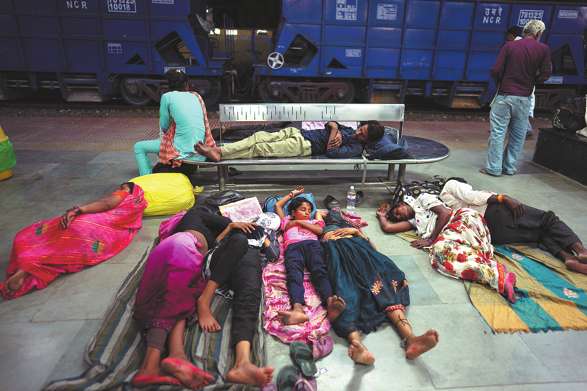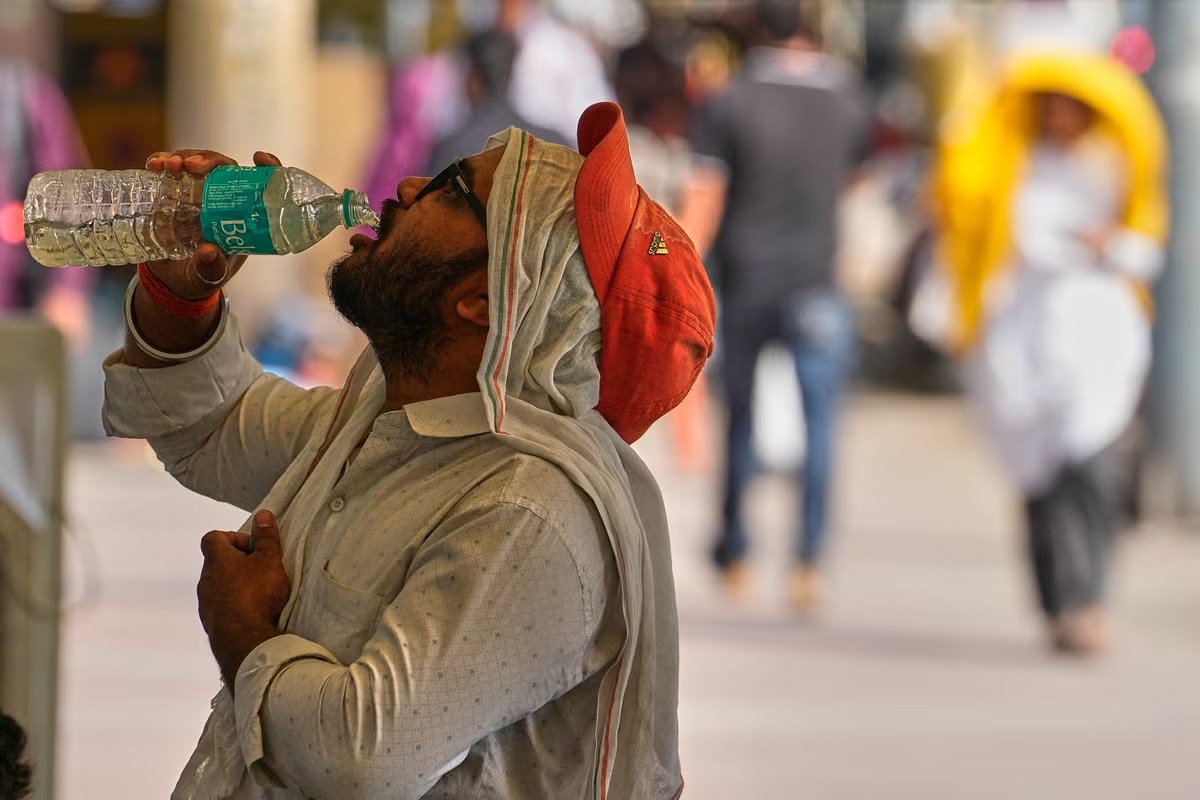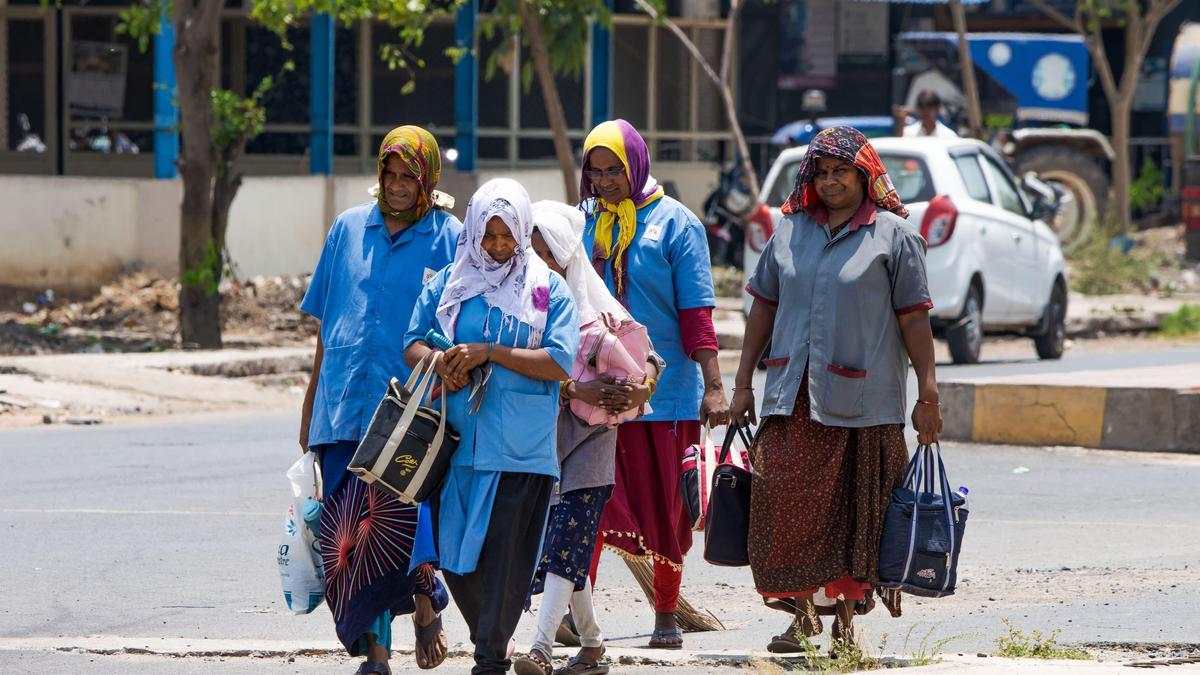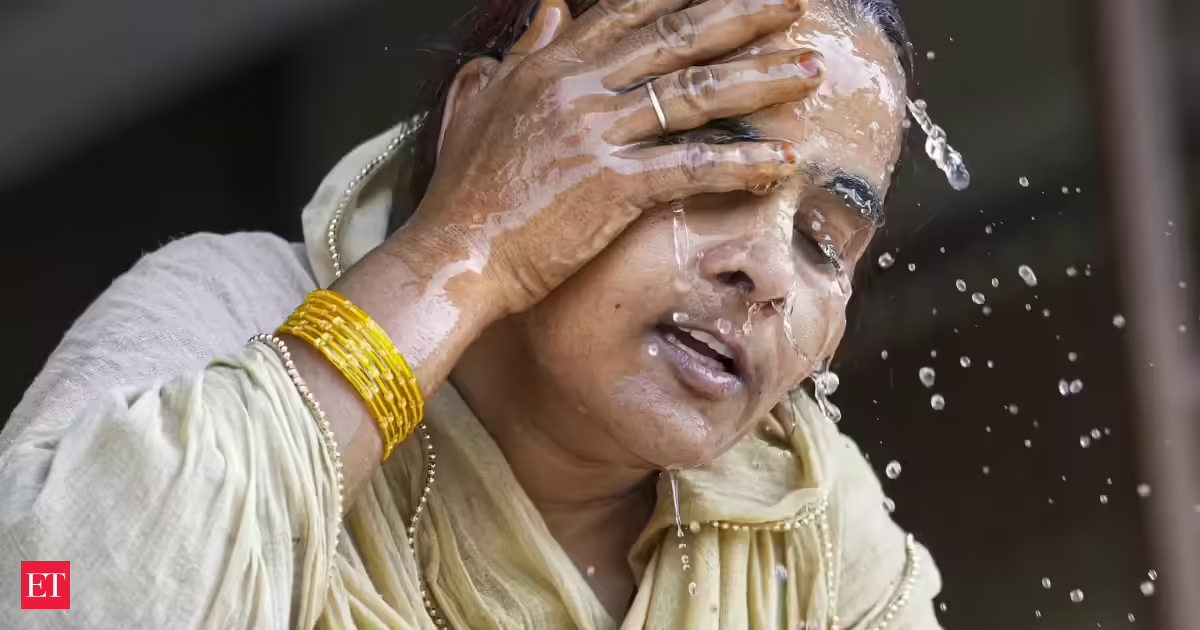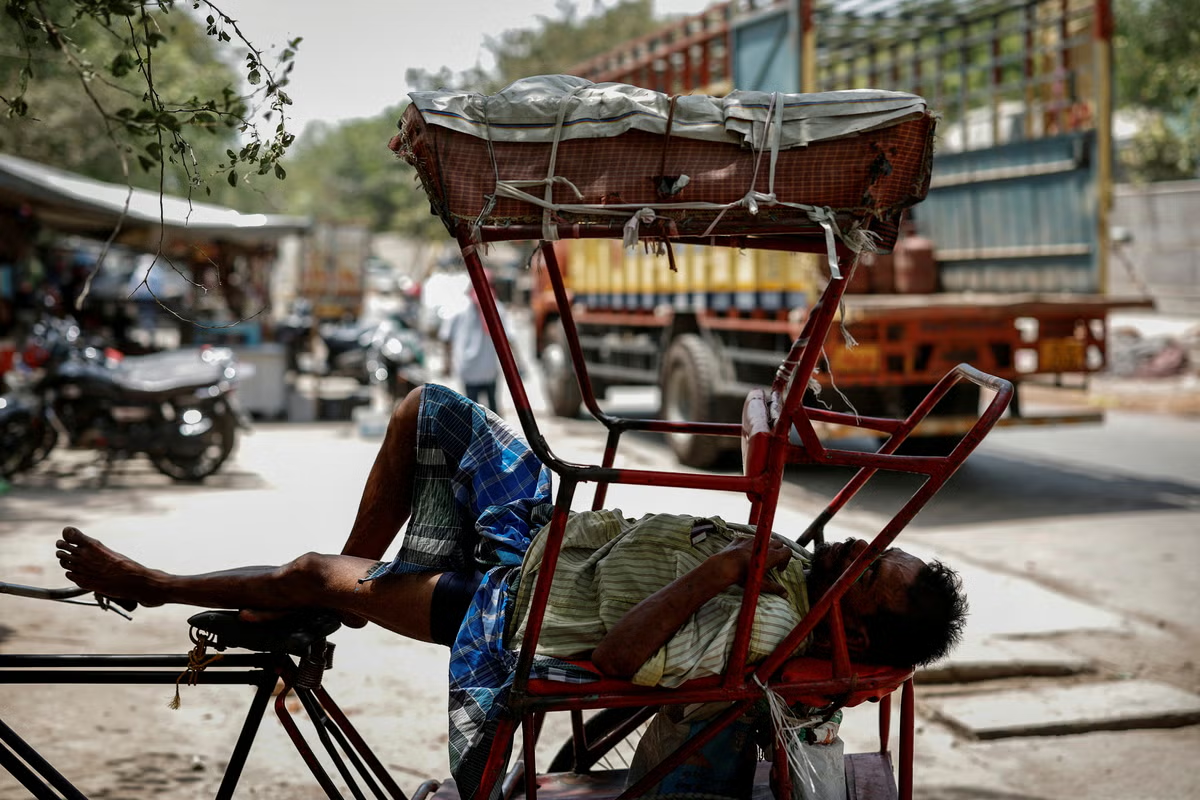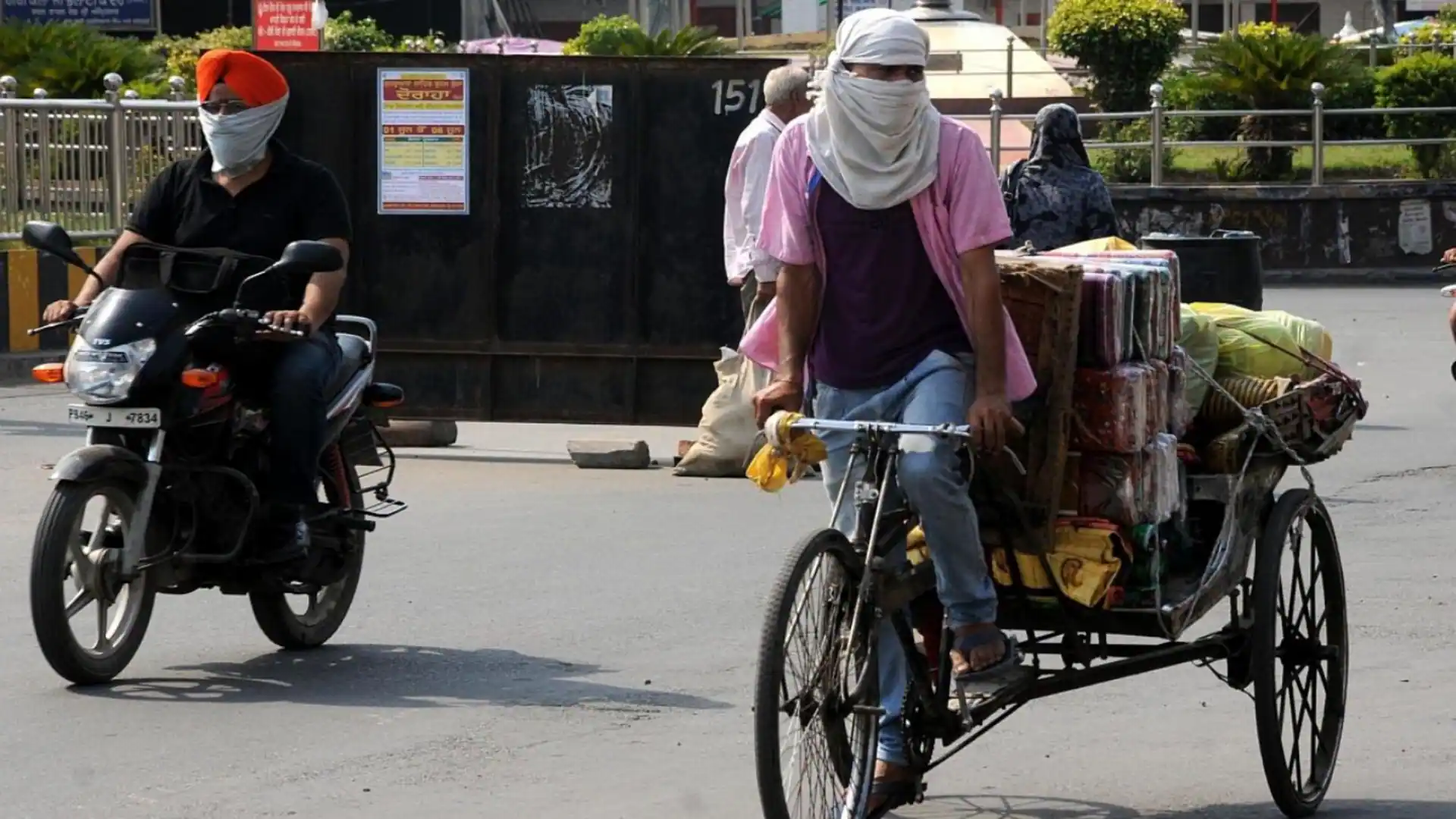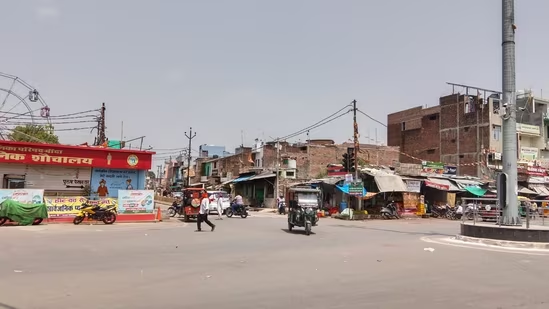
So intense is the heat that by 10 every morning, Banda shuts down. Lakhan Gupta, a jeweller in Attara town, leaves home at 6am to finish most of his work before the heat settles. By 9, he is back. By 10, the road outside is empty. The shutters of his shop remain open, but customers rarely come before evening.Silence and empty streets at Banda’s Babulal Chauraha amid scorching temperatures. (HT PHOTO) (HT_PRINT)“Since April, I have sold almost nothing,” Gupta says. “After 10am, Banda becomes deserted. At first, you see one or two people outside. Then, as the day rises, there is only silence.”On April 27 this year, Banda recorded 47.6°C, the highest temperature anywhere in India that day and its highest since 1951, surpassing its previous April peak of 47.4°C reached on April 30, 2022, and April 25, 2026. On Tuesday, Banda was again the hottest in India at 48.2°C, setting a new record.The sustained readings have placed Banda among India’s most extreme heat locations — a distinction long associated with Rajasthan towns such as Churu and Jaisalmer. Researchers say the district’s vulnerability reflects not just the intensifying effects of the climate crisis, but years of localised ecological destruction that has stripped away the natural systems that once moderated its climate.The effects, locals say, is widespread disruption to how people work. This year, farmers began working fields at night under LED floodlights because daytime labour had become unbearable. Contractors say labourers are sacrificing up to 40% of their wages rather than work between 10am and 5pm. Migration has started earlier than usual. Food stalls that once opened through the afternoon now operate after sunset.Also Read: Heat intensifies across several states, Banda in UP scorches at 48 deg C“The time has come to look at this seriously. Otherwise Banda will not remain liveable,” says Prahlad Valmiki, a resident of Bhadedu village whose wife is the local Pradhan. Valmiki said he has spent the summer fielding complaints from neighbours about heat, water and failing crops.At 44 substations across Banda, electricity department staff are continuously pouring water on over 1,379 transformers after several units malfunctioned over the past 45 days due to extreme temperatures and excessive load, with supply already running to nearly 16 hours a day, power officials said.Environmental researchers and local activists say what is unfolding in Banda is tied to years of ecological degradation across Bundelkhand’s already fragile landscape. A study published in the Journal of Extension Systems, co-authored by Arjun P Varma of Banda Agriculture University, tracked forest cover from 1991-92 to 2021-22 and found Banda lost nearly a sixth of its dense forest cover. Open forests shrank at similar rates. The decline was consistent across every measure the researchers applied.“The major reasons are large-scale mining and agricultural encroachment inside forest land,” Varma says. Then he adds something that does not appear in the study: “I myself work inside the office from 9.30 in the morning till evening now. I cannot go into the field.”Prof Dinesh Saha, head of meteorological department, Banda Agriculture University, says mining has accelerated the drying of rivers, reducing groundwater recharge, while deforestation has weakened moisture retention and dust from stone-crusher units coats soil and vegetation. “All these factors compound each other,” he says.The damage is visible across the Vindhyan range. In Baberu’s Gauri Khanpur village, farmer and activist Band Gopal says official estimates put the share of Vindhyan hills that have disappeared or been severely damaged at 25%. The range consists largely of porous sandstone layered over granite — during rainfall, the sandstone absorbs water and gradually recharges aquifers below. Environmentalists say excessive blasting is destroying this system entirely.From hills to riversWhat happened to the hills has a parallel in Banda’s rivers. The Ken, which flows through roughly 100 kilometres of Banda before joining the Yamuna, has seen sand extraction reach industrial scale, with heavy excavators operating inside the riverbed in violation of National Green Tribunal guidelines.According to activist and journalist Ramlal Jayan, official estimates, made as per local assessment at the level of district administration, suggest around 55,000 tonnes of red sand are extracted daily from the Ken alone. The mining has now spread to smaller rivers — the Ranj and Bagai — where villagers say water levels have already fallen sharply.“Excessive extraction has stripped away natural river sand that helped retain water and recharge groundwater. In its place, exposed rocky surfaces increase runoff and reduce water retention,” says social and environmental activist Uma Shankar Pandey.Also Read: Heat wave grips Gurugram; hospitals prepare for rise in heat illnessesAcross Banda’s villages, wells dry earlier each summer. Borewells go deeper.The 2025 study by researchers from four universities, published earlier this year on ResearchGate and was submitted to the state’s ministry of forest, found Banda’s total forest cover fell from around 120 square kilometres in 2005 to roughly 95 square kilometres — a 15.54% reduction. Dense forest cover fell 17.55%. The researchers warned that parts of the district could become barren within two decades.Prof Dhruv Sen Singh of Lucknow University’s geology department puts it plainly: “Banda has become a heat island because of loss of green cover, loss of moisture, increase in sand area, decrease in water bodies, and a vicious cycle of heat — the surface gets heated all day and before it subsides at night, the day breaks with brighter sunshine. Hence no respite.”By evening, movement slowly returns to Attara market. Tea stalls reopen. Motorcycles reappear on roads that had remained empty through the afternoon. Lakhan Gupta watches customers trickle back after sunset.
India’s hottest district shuts at 10 am as mercury breaches 48 degrees Celsius mark
The sustained readings have placed Banda among India’s most extreme heat locations, a distinction long associated with Rajasthan's Churu and Jaisalmer. | India News
919 words~4 min read