Google has previewed Antigravity, a new IDE forked from the open source base of Visual Studio Code, described as an agentic development platform – but early adopters have expressed frustrations with credits soon running out, and our quick tests soon ran aground because of “model provider overload.”
Antigravity is designed for software developers using an AI-driven approach, where most of the coding and design work is done by AI. The developer’s task is to prompt, refine and verify the agent’s output.
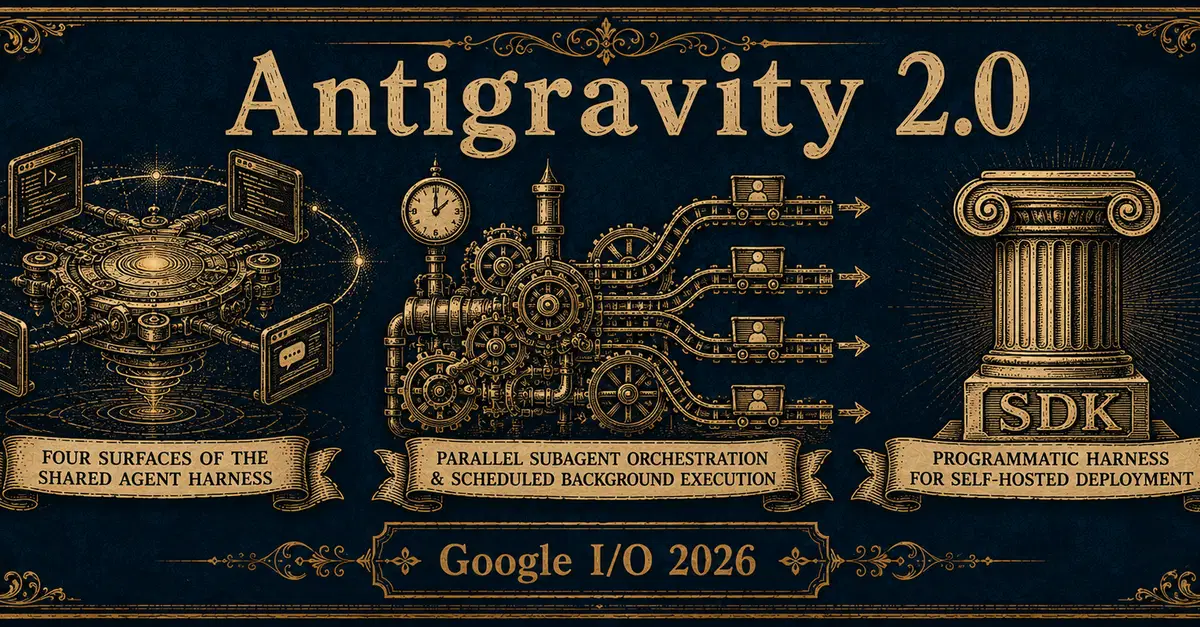
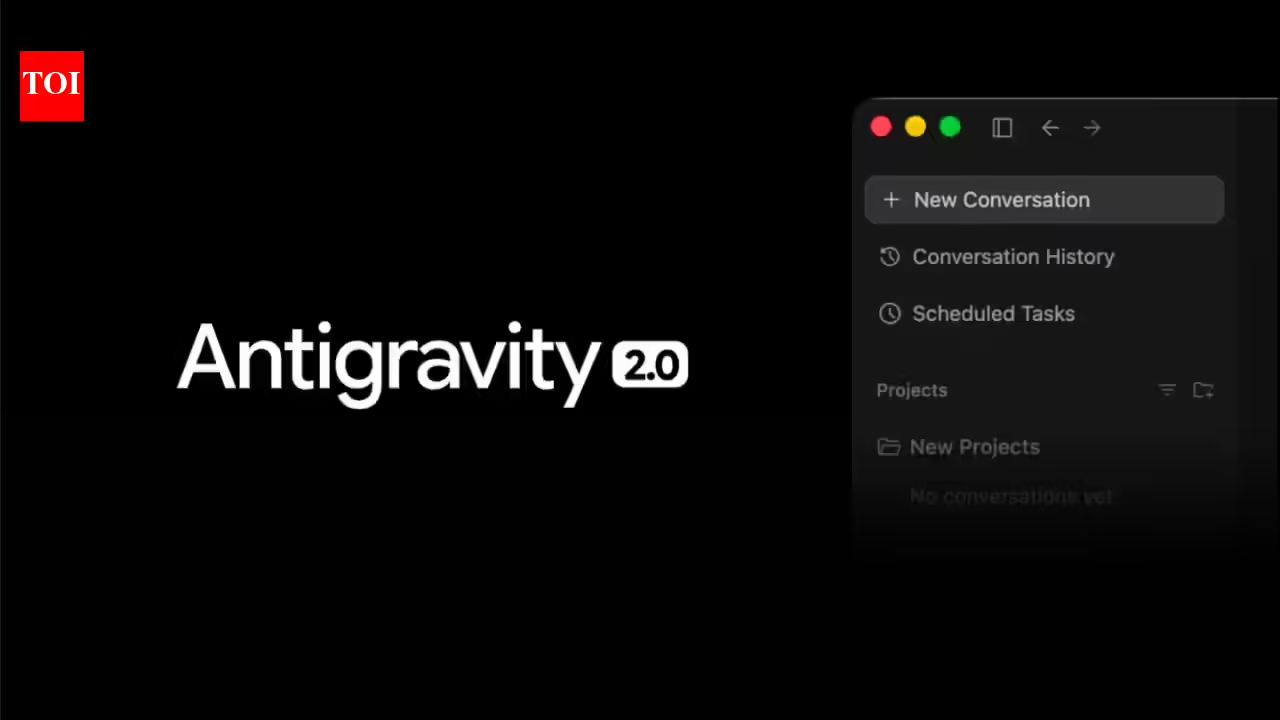
A distinctive feature of Antigravity is its agent manager window, which is the primary place for interacting with agents. The is one of what the team describes as surfaces. “There are three main surfaces on which you can get your work done,” said Google engineer Kevin Hou in an introductory video, these being the agent manager, the code editor, and the Chrome web browser, automated by Antigravity.
Agent interaction is also possible in the editor, via a sidebar or from within the editor itself. The docs state that the in-editor AI features “do not get nearly as much use as the agent.”
Agents generate artifacts, which can be any sort of output including markdown files, architecture diagrams, images, browser recordings and more. One example of an artifact is an implementation plan, which details proposals for code changes or even for a complete application, to be reviewed and amended by the developer before the changes are actioned.