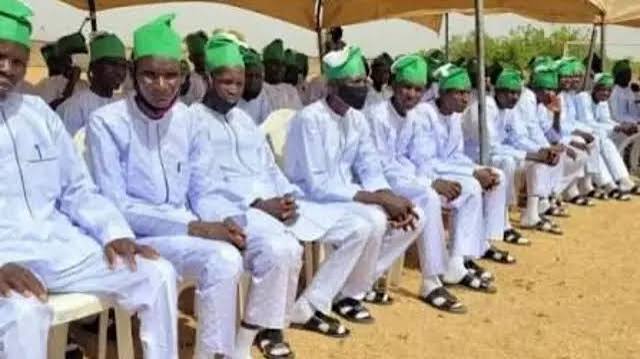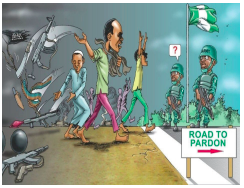
Even if the country has the right to pursue mercy, it should not be carelessly done, contends
K. BOLANLE ATI-JOHN
Modern states are often judged not merely by how they defeat enemies, but by how they treat former enemies after conflict. This is one of the moral tests of civilization. Societies that cannot imagine redemption eventually become consumed by perpetual vengeance. Yet societies that abandon prudence in pursuit of reconciliation can commit an equally dangerous error. They can weaken the very institutions responsible for preserving order, sovereignty and public trust.
This tension lies at the heart of one of the most sensitive national security questions confronting states battling insurgency and terrorism: what should be done with repentant insurgents?
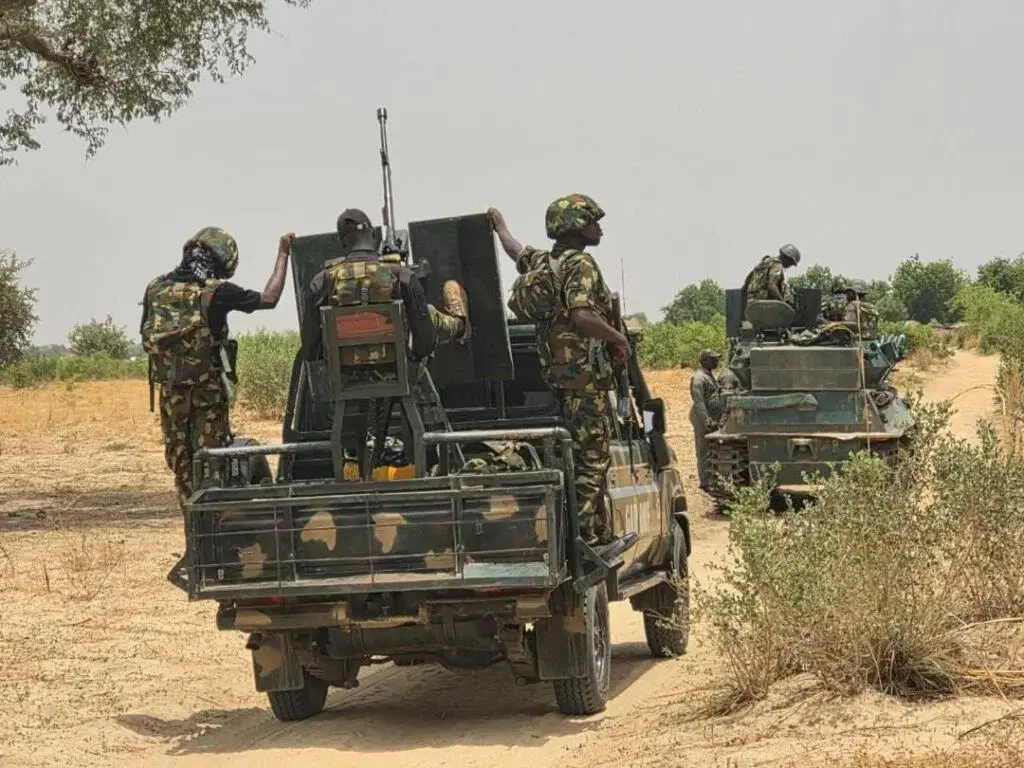
Rehabilitation is understandable. Deradicalization may even be strategically necessary. Reintegration into civilian society can, under carefully managed conditions, serve both humanitarian and security objectives. But the proposition becomes profoundly different when the discussion moves from society into the armed institutions of the state itself.