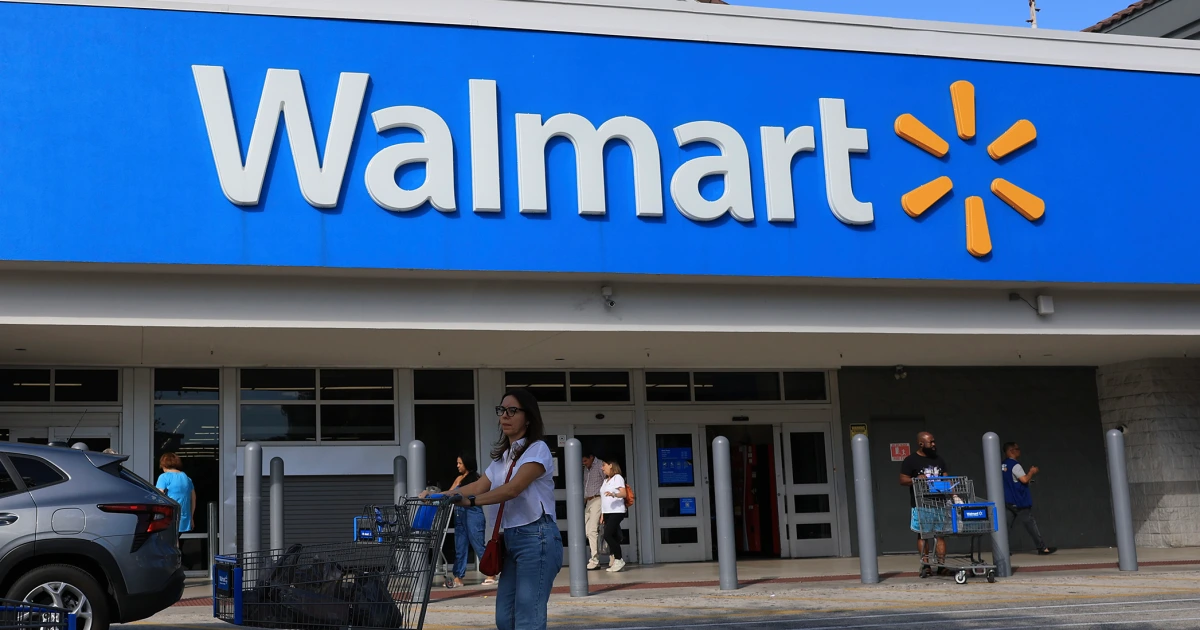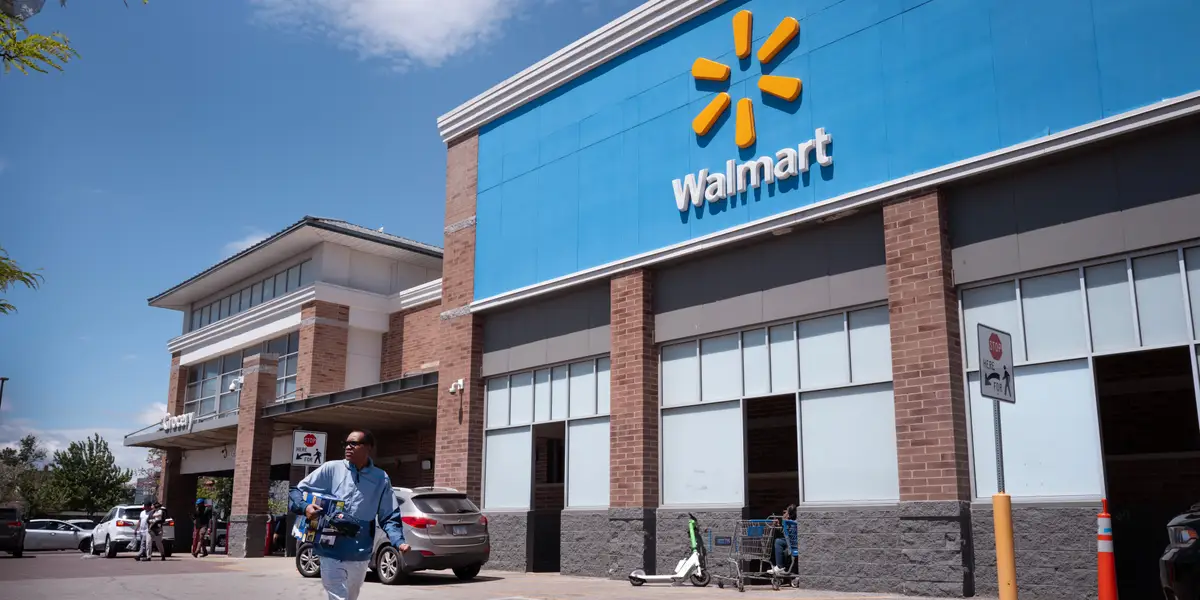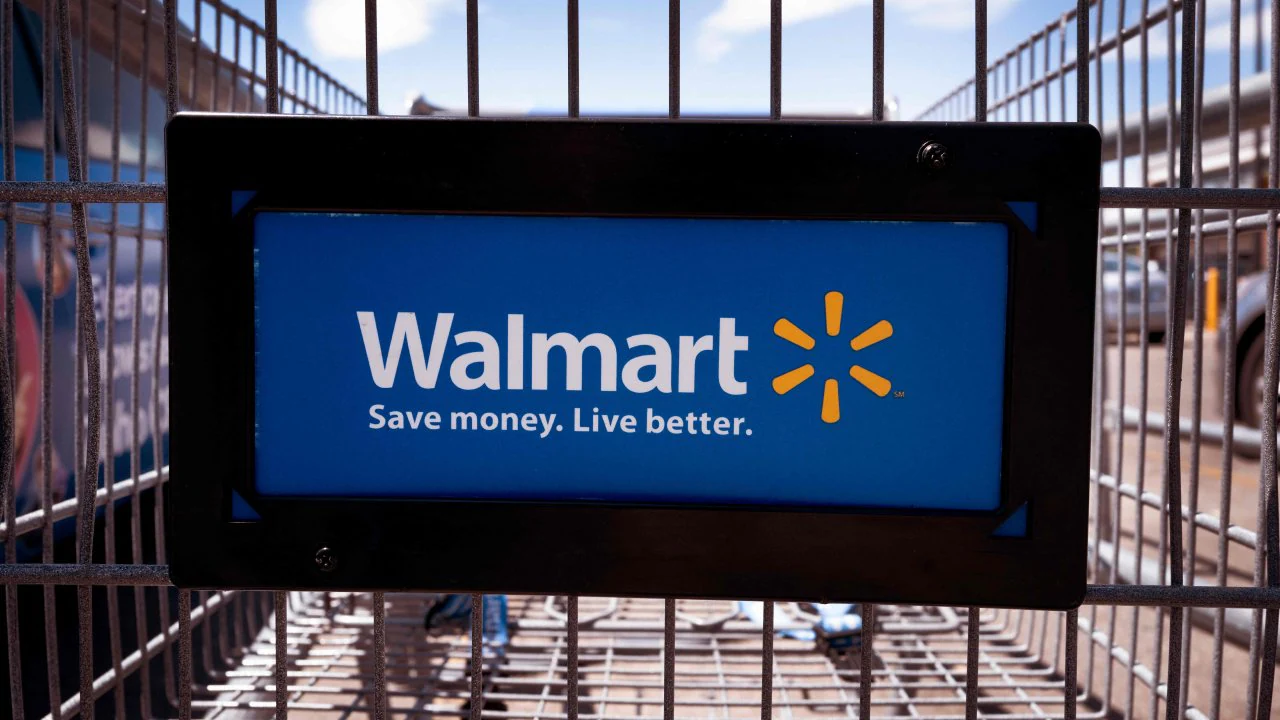
Earnings due this week from major retailers could give another picture of how consumers are responding to the energy price shock rippling through the economy. On Tuesday, Home Depot reported that customers are still spending, but more carefully, and are putting off big renovations for now.But on the retailers’ side of things, they’re facing higher transportation and energy costs, too. Can they pass those on to consumers in the form of higher prices at a time when many of them are looking for deals and counting their pennies?The increase in energy costs is hitting retailers on multiple fronts, said Zak Stambor, principal analyst of retail and ecommerce at eMarketer.“Their operating costs are going up and the purchasing power for consumers is going down,” he said.Wholesale inflation rose 1.5% between March and April alone, and Stambor said those higher costs will likely hit consumers within months. But retailers’ pricing power isn’t uniform.“A good example where it will be challenging to raise prices is for things like major durable appliances,” said Jason Miller, supply chain management professor at Michigan State University.Prices in that market are already up because of tariffs and consumers have been pulling back. Retailers risk losing customers, Miller said, if they raise those prices further.But for items consumers have to buy, like groceries, prices are already rising.“You're shipping from California all the way to the East Coast,” Miller said. “You're paying thousands of dollars to have those strawberries transported by truck, and importantly, several thousand additional to what you were budgeting this year.”Had the energy disruptions from the war in the Middle East been short-lived, Miller said there might not have been long-term price increases, but the Strait of Hormuz has been blocked for more than two months.“We're in the opening innings of how this energy cost shock is going to filter over into consumer goods,” Miller said.It’s a particularly vulnerable time for smaller retailers, said Venky Shankar, chair of the marketing department at Southern Methodist University.“Those who are capable of handling shocks better typically tend to be large scale,” he said. “They have also strong pricing power and more diversified revenue streams.”If smaller, regional retailers raise prices more than big box stores, because they have to, Stambor said they could end up losing market share.“The Walmarts and Amazons of the world are in a strong position here… as consumers increasingly focus on value and how to get the best bang for their buck,” he said.The bigger players, he said, are likely to lean into loyalty programs, private label products, and bulk offerings to keep customers spending.
Will higher costs for retailers be passed on to consumers?
Energy and transportation are two areas where costs are rising for stores like Home Depot, Walmart, and Target, but raising prices could turn off an increasingly strapped consumer.
428 words~2 min read