By providing an email address. I agree to the Terms of Use and acknowledge that I have read the Privacy Policy.
A stronger peso is usually interpreted as a sign of confidence, while a weaker peso is often dismissed as a temporary disruption caused by external shocks or speculative trading.
Yet history suggests that major currency trends rarely develop because of a single event. More often, exchange rates reflect the gradual accumulation of structural imbalances that markets initially underestimate, then eventually reprice much faster later on.
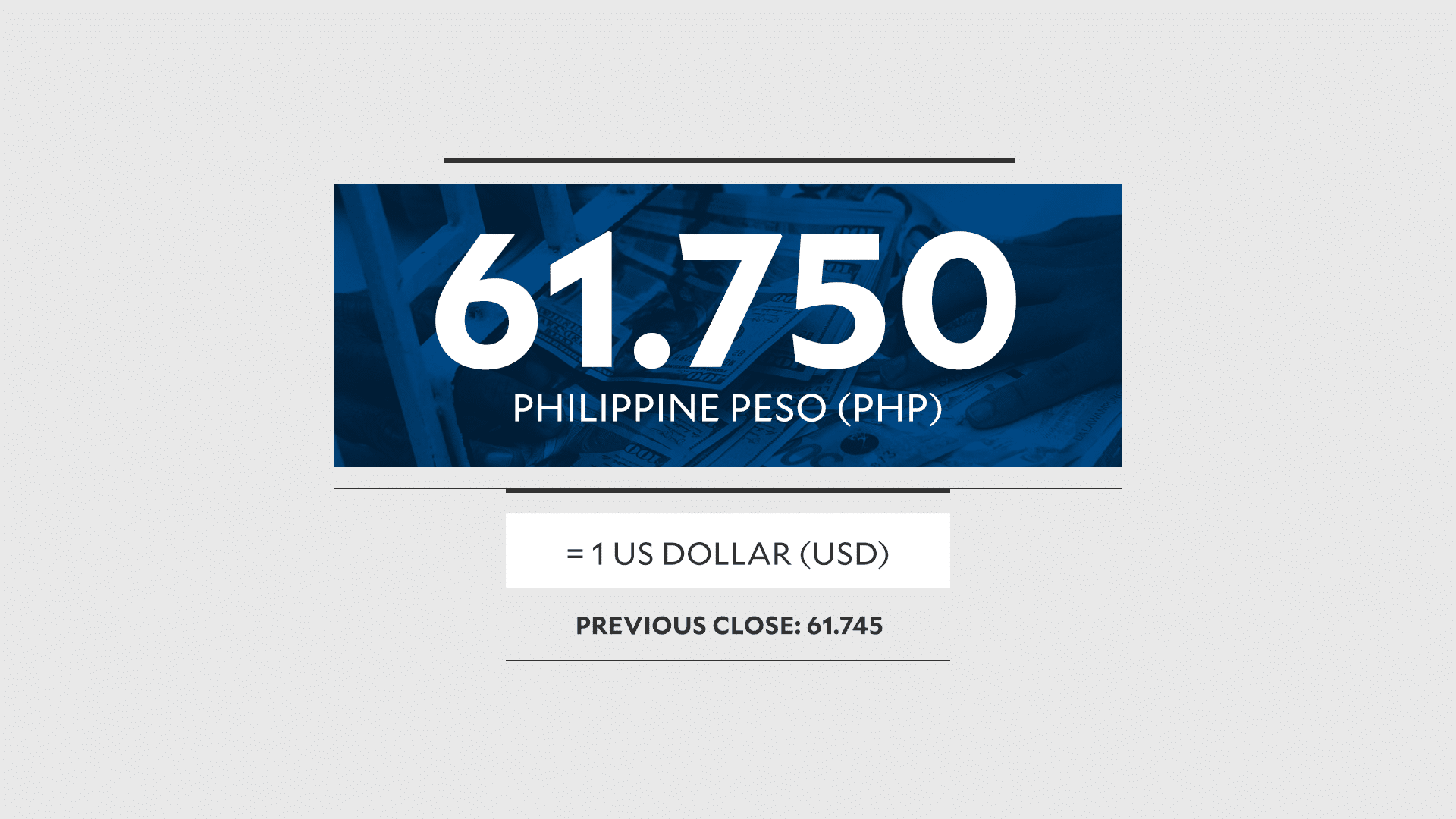
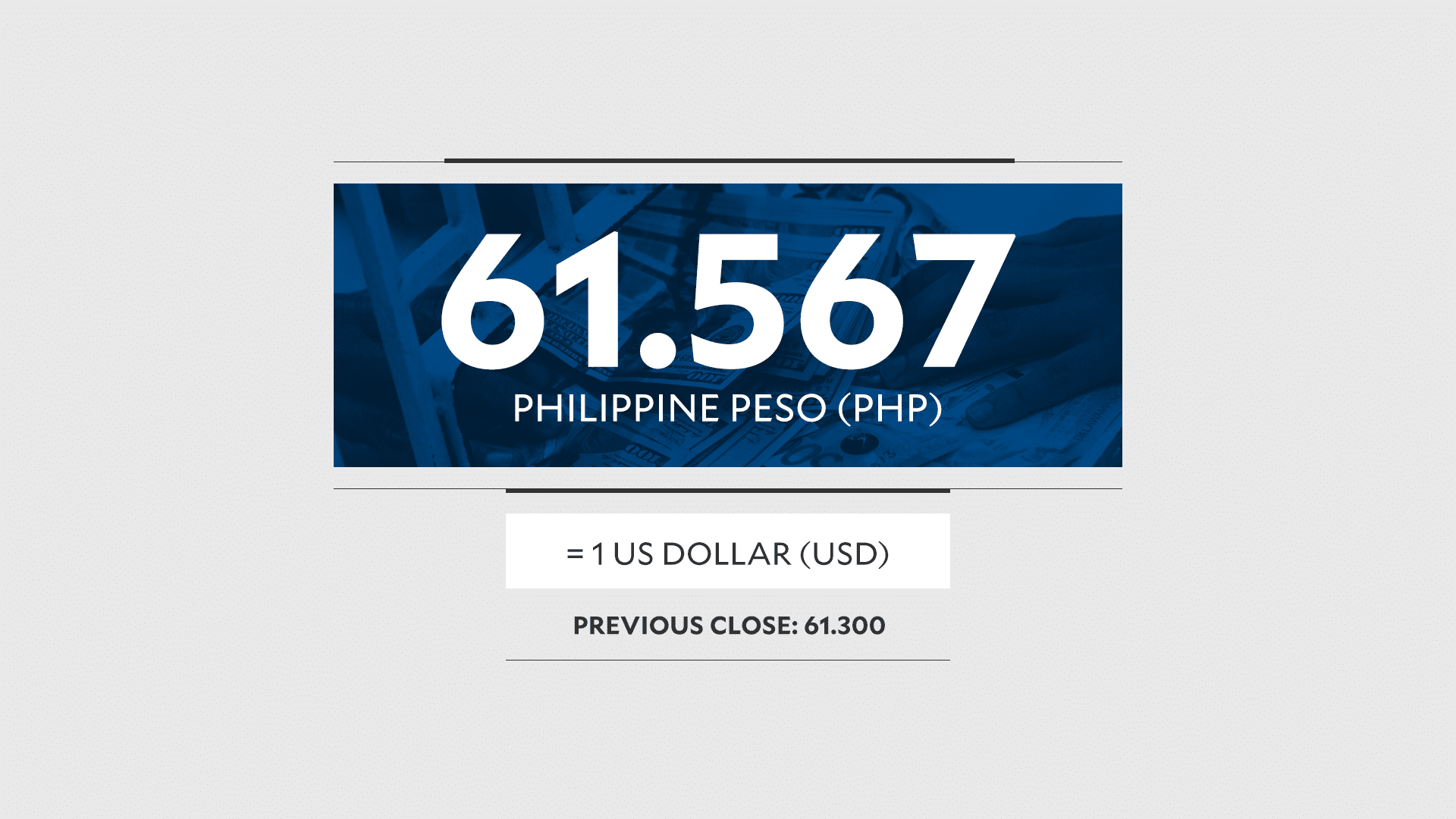
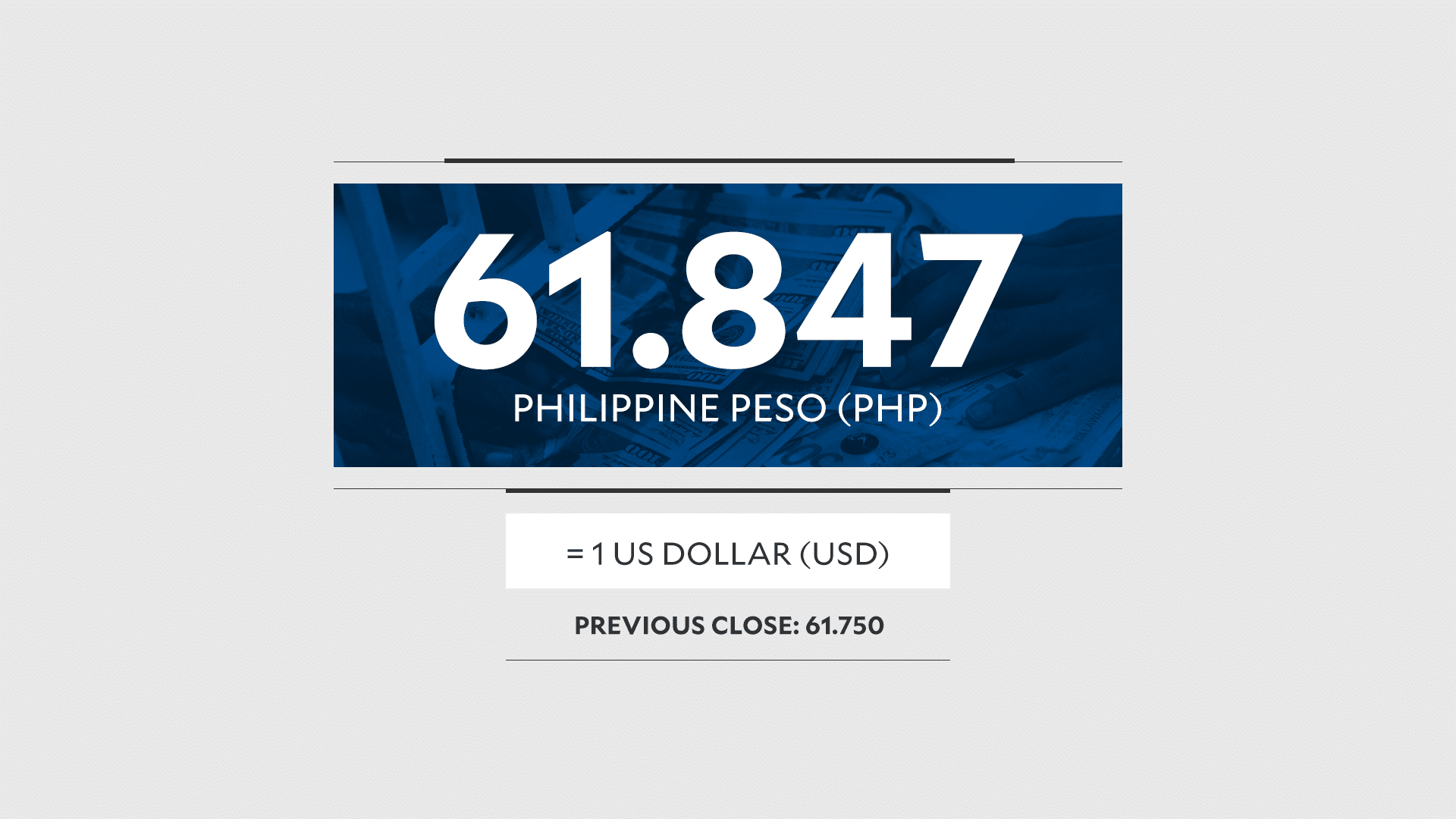
This was the main argument we discussed in June 2024 in this column, “Why the peso will continue to fall”, when the peso was still trading around P58 against the US dollar.
At that time, we argued that the peso’s temporary strength was unlikely to last because the country’s structural external imbalances remained unresolved. Persistent trade deficits, current account pressures, and narrowing interest rate differentials with the United States continued to point toward further weakness in the peso over time.