World News in Brief: Geopolitical tensions impact global economy, Gaza aid funding shortfall, violence in South Sudan
According to a new report released on Tuesday by the UN Conference on Trade and Development (UNCTAD), the global economy remained resilient at the start of 2026, supported by trade, industrial production in developing countries and investment linked to artificial intelligence (AI).
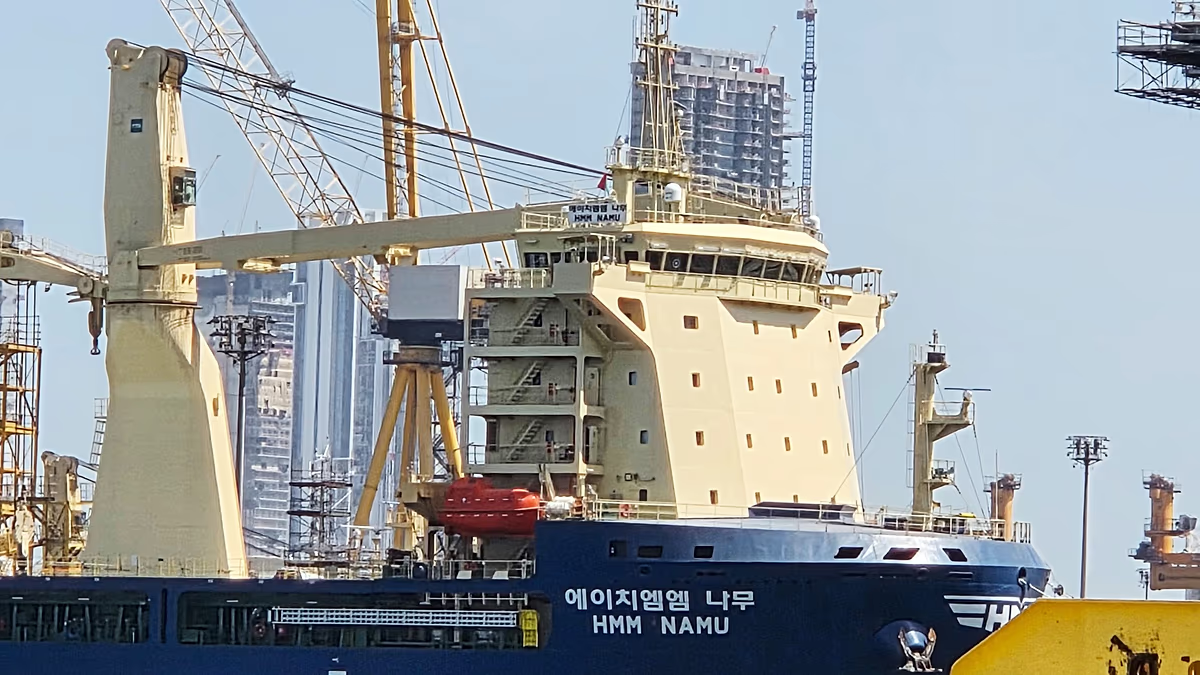
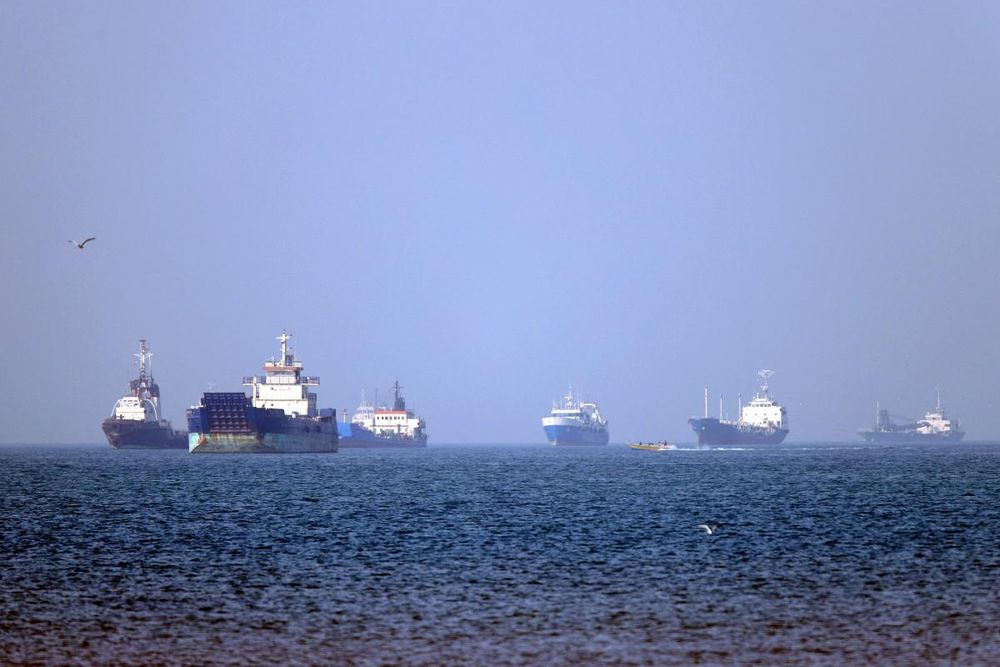
However, the report warns that geopolitical tensions have increasingly replaced trade tensions as the main source of global instability since energy markets, financial conditions and major shipping routes are disrupted by conflict in the Middle East. Growth slows as costs rise UNCTAD projects global growth will slow from 2.9 per cent in 2025 to 2.6 per cent in 2026 due to higher oil prices, transport disruptions, market volatility and weaker investment demand. World merchandise trade growth is also expected to fall sharply, from 4.7 per cent in 2025 to between 1.5 and 2.5 per cent in 2026. Developing economies are expected to face the greatest pressure, including rising fuel, food and fertilizer costs, weaker currencies, and tighter financing conditions.The report also notes that recent trade growth has been heavily concentrated in AI-related products such as semiconductors and data-processing equipment, while broader trade activity remains weak.The UN agency called for stronger international cooperation, more predictable trade policies and greater investment in renewable energy to reduce vulnerability to future global shocks. Funding shortfalls hamper efforts to feed starving families in GazaHumanitarian operations in Gaza are being squeezed by severe funding shortfalls, leaving more families without reliable access to food, shelter and essential services. According to the UN Office for the Coordination of Humanitarian Affairs (OCHA), the 2026 Flash Appeal seeking more than $4 billion to support nearly 3 million people across Gaza and the West Bank is only 12 per cent funded, with just $490 million received so far.The funding gap affects food assistance. The UN and its partners are supporting kitchens serving around 1 million meals per day in Gaza, down from 1.8 million in February. Aid agencies warn that one in five families is eating only once a day, with many mothers skipping meals so their children can eat.Displacement and shortages Humanitarian operations continue to face major obstacles, including restrictions on the entry of spare parts, generators and equipment, along with fuel shortages, damaged infrastructure and movement restrictions across Gaza.Meanwhile, ongoing military operations continue to displace civilians. Over the weekend, humanitarian partners recorded the displacement of more than 150 families from eastern Khan Younis and eastern Gaza City after reports of tank movements and bombardment.Most of Gaza’s 2.1 million residents remain displaced, many living in overcrowded shelters and deteriorating humanitarian conditions.OCHA stressed that civilians must be protected and allowed access to safer areas where their basic needs can be met.