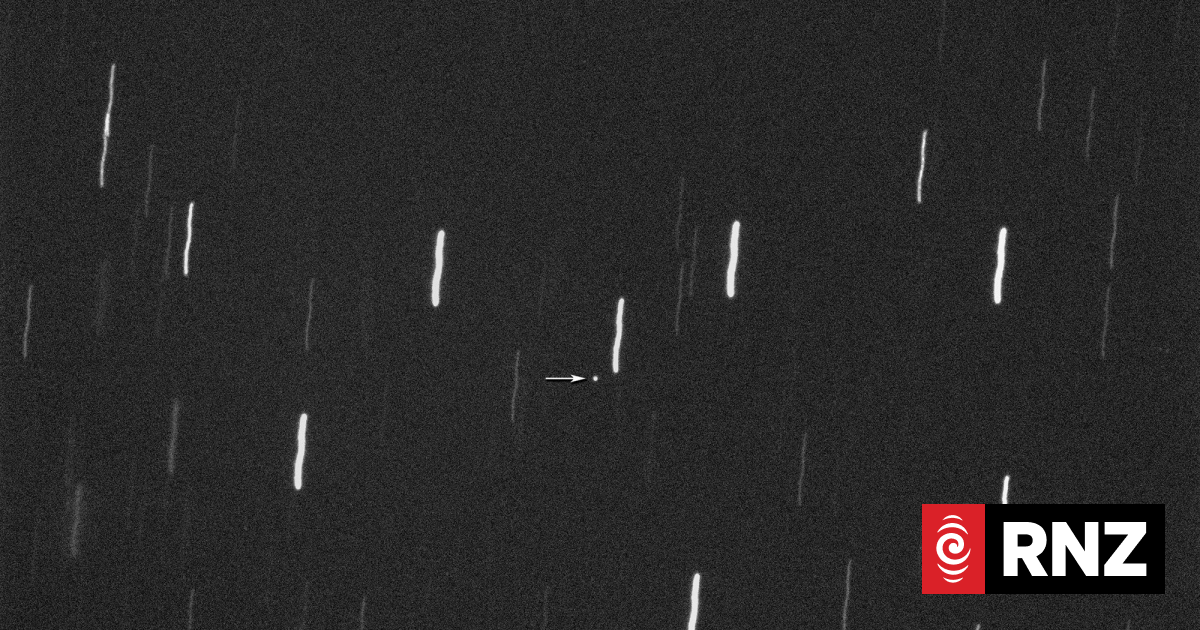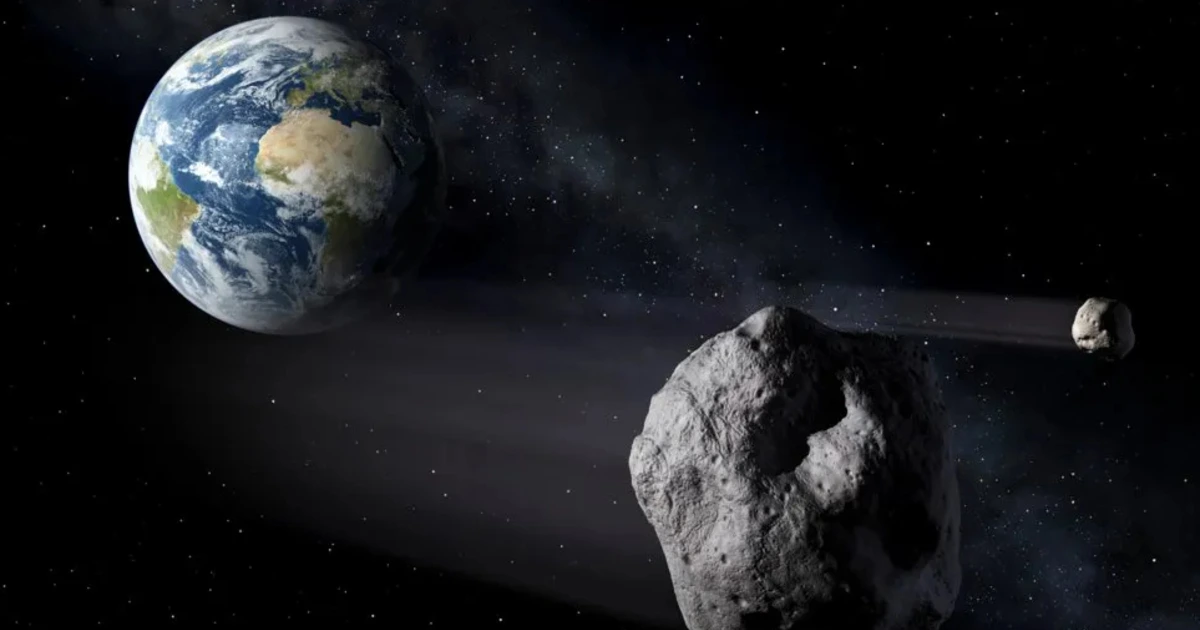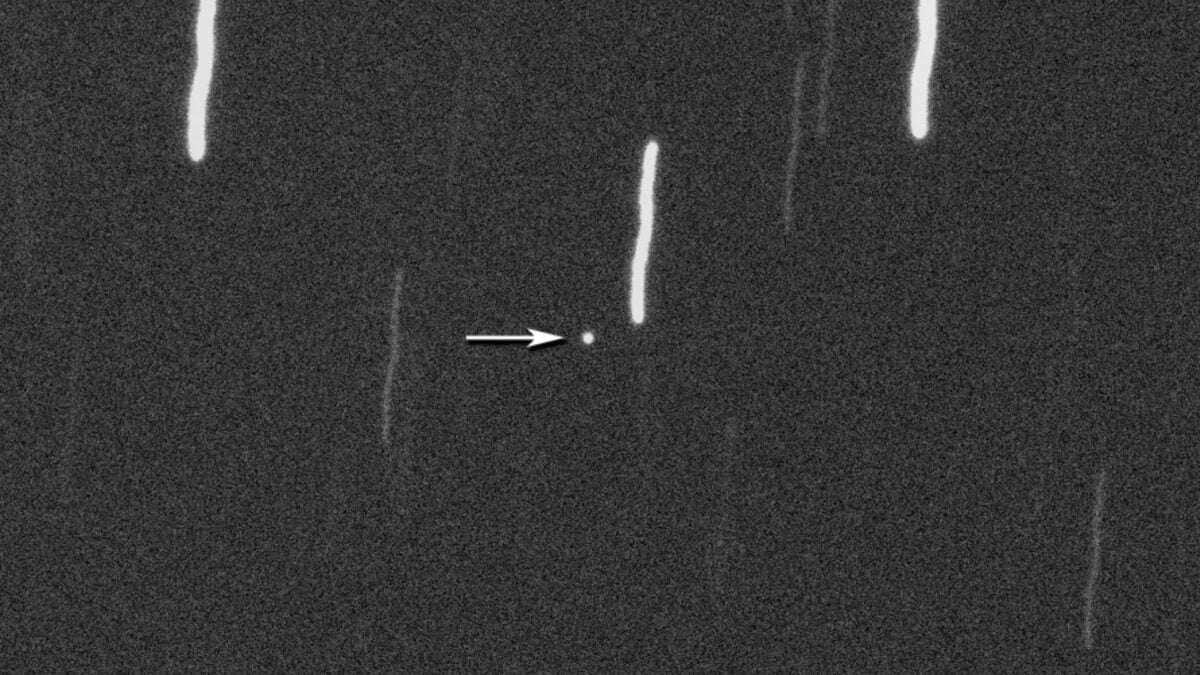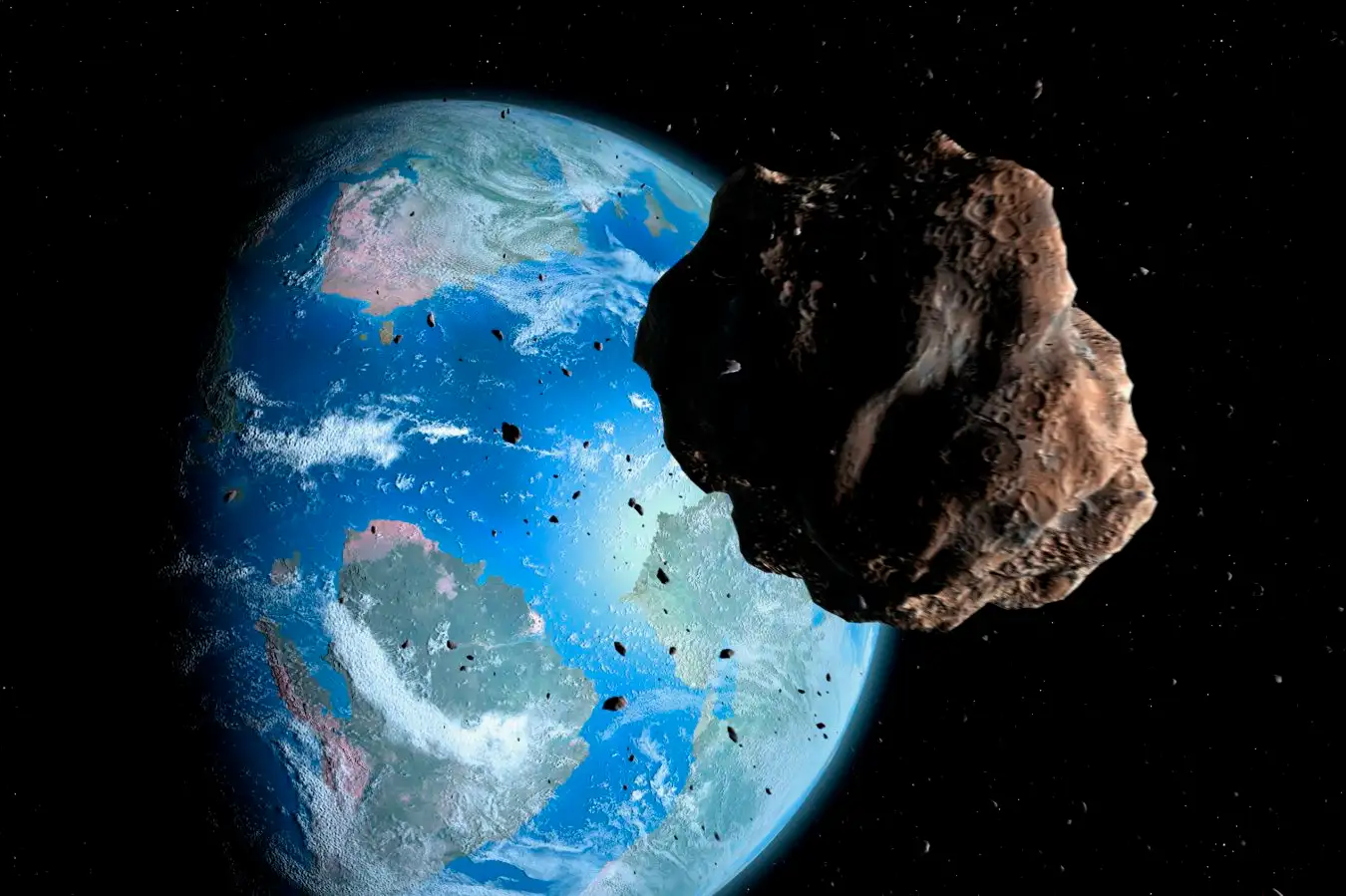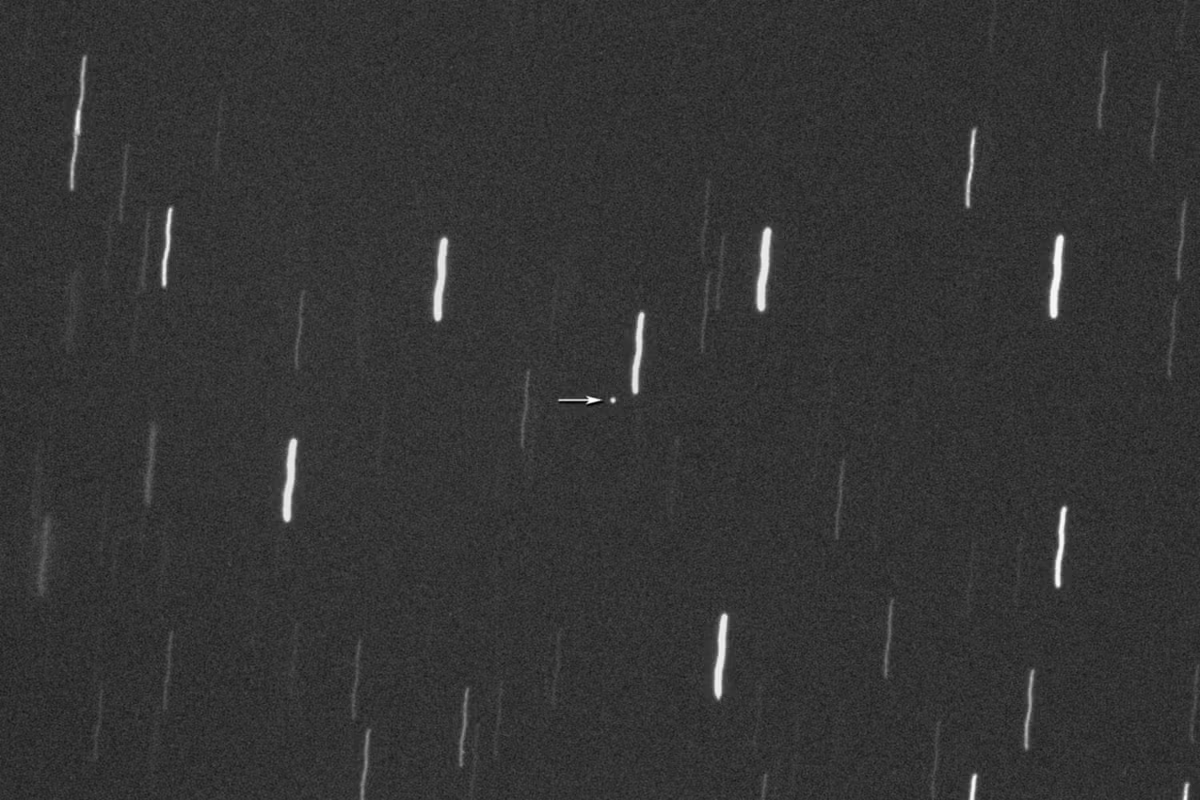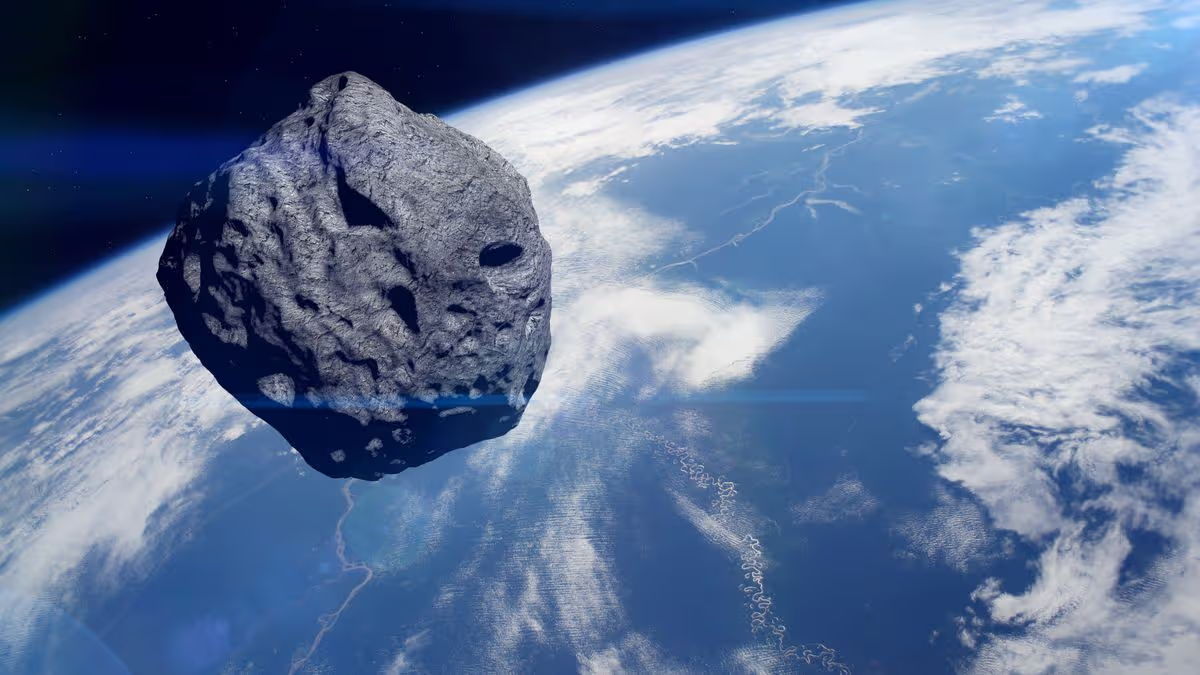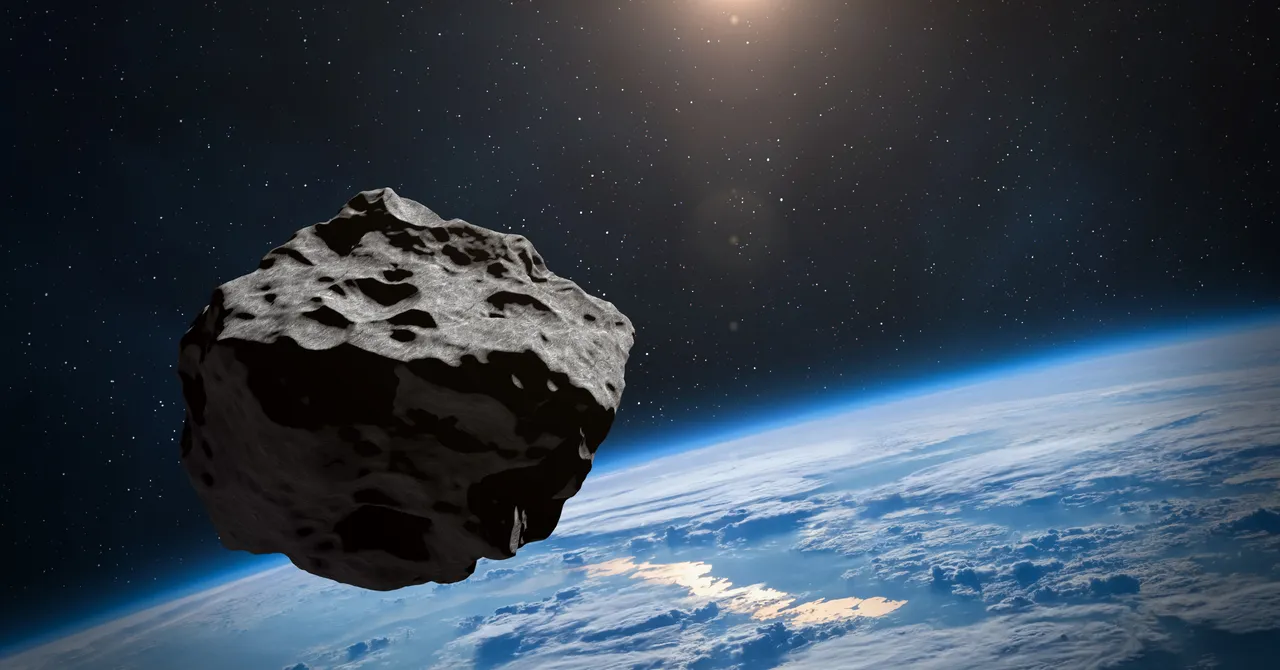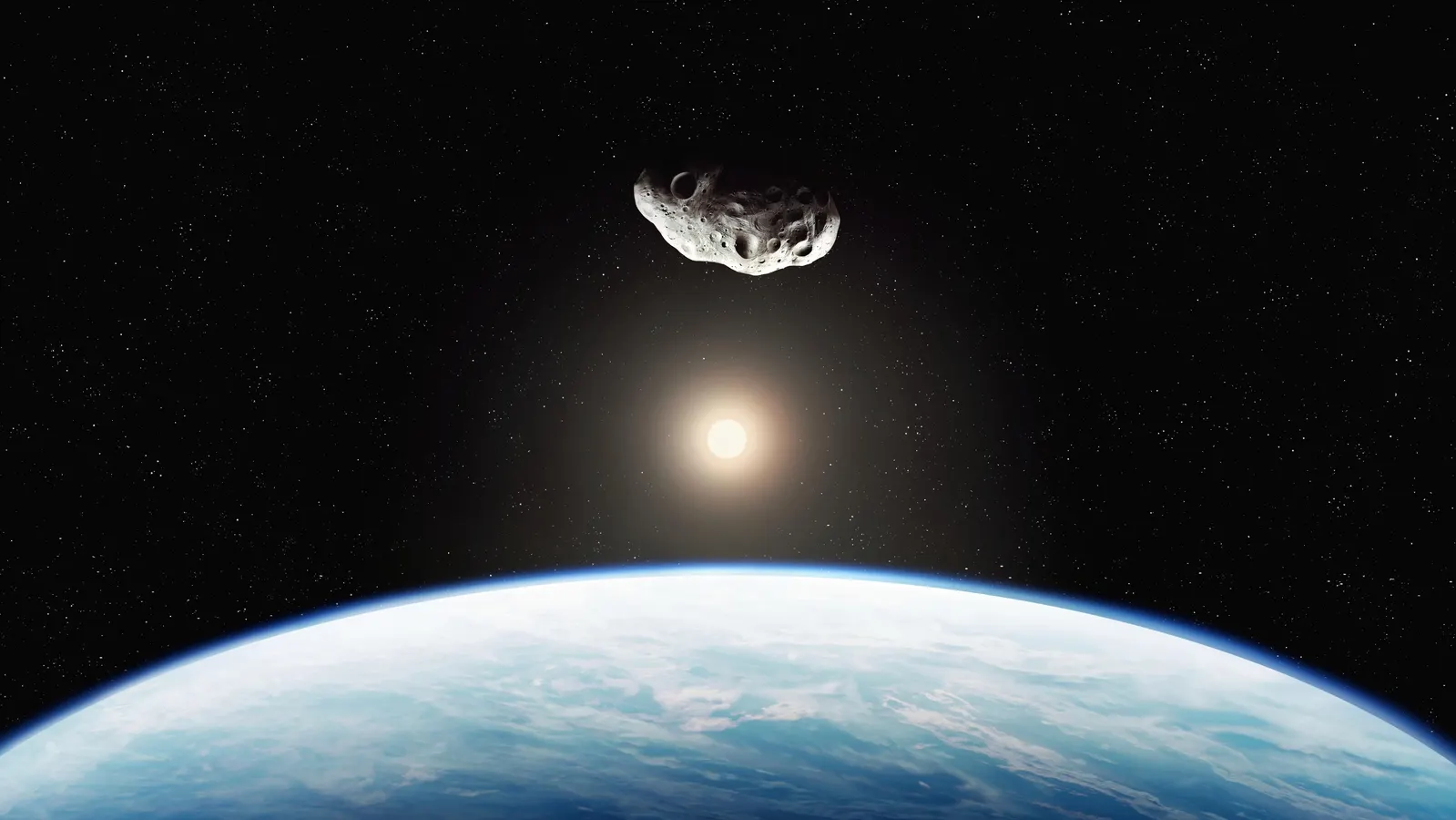
An asteroid roughly the size of one to two school buses will fly by Earth Monday, coming as close as 91,593 kilometers (56,913 miles), according to the European Space Agency — equivalent to about one quarter of the distance between Earth and the moon.
Astronomers at the Mount Lemmon Survey in Tucson, Arizona, discovered the asteroid on May 10 and named it 2026JH2. The object belongs to a class of asteroids called Apollo, which orbit the sun on trajectories that intersect with Earth’s own orbit around the sun.
At its closest pass, 2026JH2 will be about 24% of the average distance between Earth and the moon, and about two and a half times the distance at which hundreds of geosynchronous satellites orbit, providing services such as telecommunications and weather forecasts. The close pass is expected to occur on Monday just before 6 p.m. ET, according to NASA’s JPL Small-Body Database.
Despite the proximity, the space rock poses no danger, according to Richard Binzel, a professor of planetary sciences at the Massachusetts Institute of Technology and the inventor of the Torino Scale, a tool for categorizing potential collisions of space objects with Earth.
“2026JH2 will pass safely by the Earth,” he said in an email. “This is actually a rather normal occurrence, car-sized objects pass between the Earth and the Moon every week. At the size of a school bus, these pass through our neighborhood several times per year. We are only recently developing surveys that are sensitive enough to see them,” he added, noting that before these surveys, objects of this kind would simply zoom by completely unnoticed.