People are dying by suicide, and some think AI is to blame. A small number of tragic stories have spurred lawmakers into regulating how chatbots should help people who are dealing with mental health issues. Yet chatbots have emerged as first aid for people experiencing mental health issues, providing genuine benefit to those who aren’t in crisis but are not OK either. Heavy-handed legislation risks derailing this breakthrough in support, creating more problems than it solves.
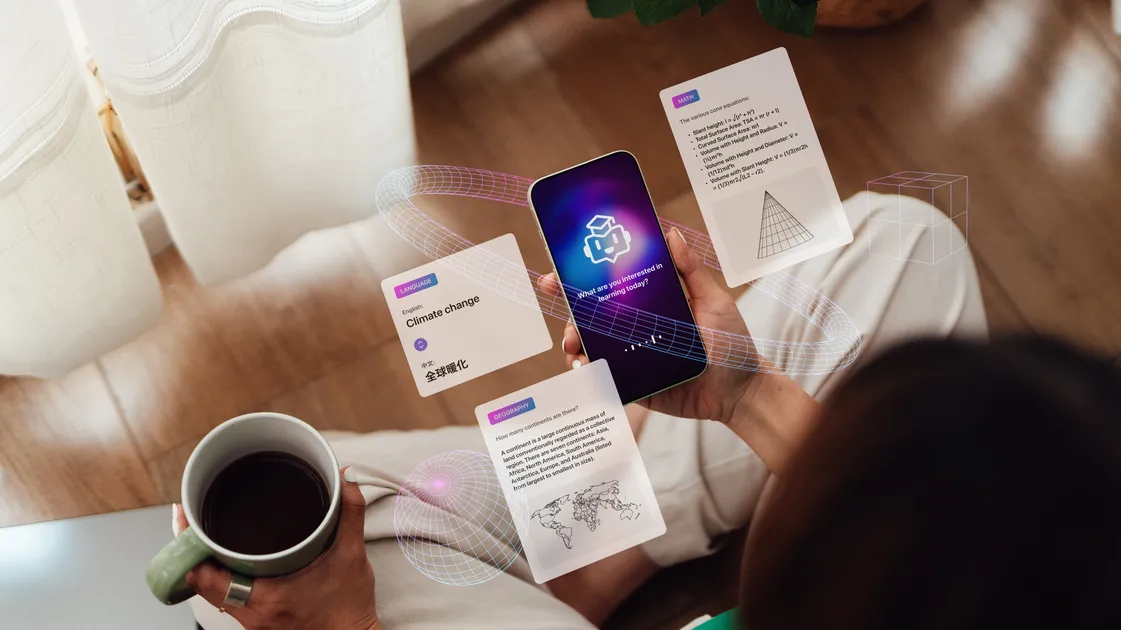
Over a million people are using general-purpose chatbots for emotional and mental health support per week. In the US, those that use chatbots in this way primarily seek help with anxiety, depression, relationship problems, or for other personal advice. As conversational systems, chatbots can sustain coherent exchanges while conveying apparent empathy and emotional understanding. Many chatbots also draw on broad knowledge of psychological concepts and therapeutic approaches, offering users coping strategies, psychoeducation, and a space to process difficult experiences.
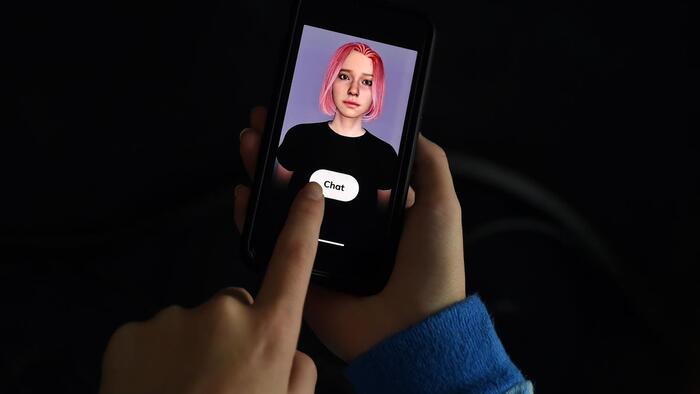
In a study of more than 1,000 users of Replika — a general-purpose chatbot with some cognitive behavioral therapy-informed features — most described the chatbot as a friend or confidant. Many reported positive life changes, and 30 people said Replika helped them avoid suicide. Similar patterns appear among younger chatbot users. In a study of 12–21-year-olds — a group for whom suicide is the second leading cause of death — 13% of respondents used chatbots for some kind of mental health advice, of which more than 92% said the advice was helpful.