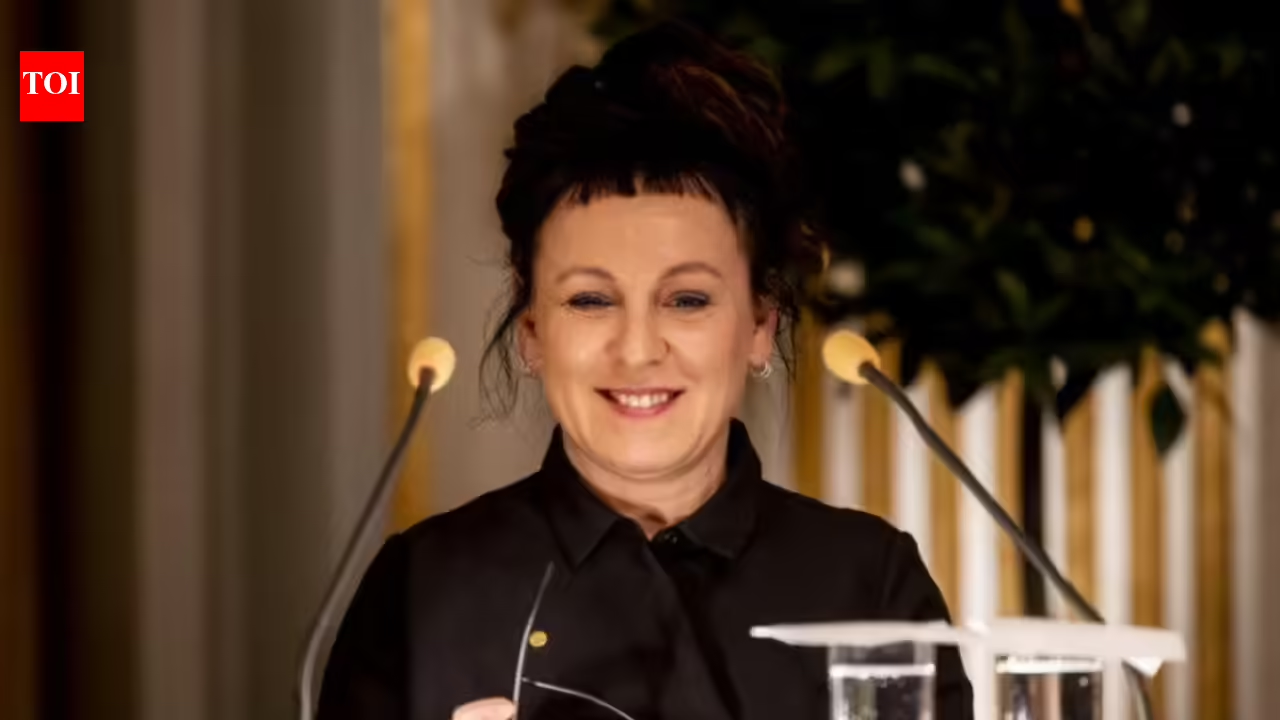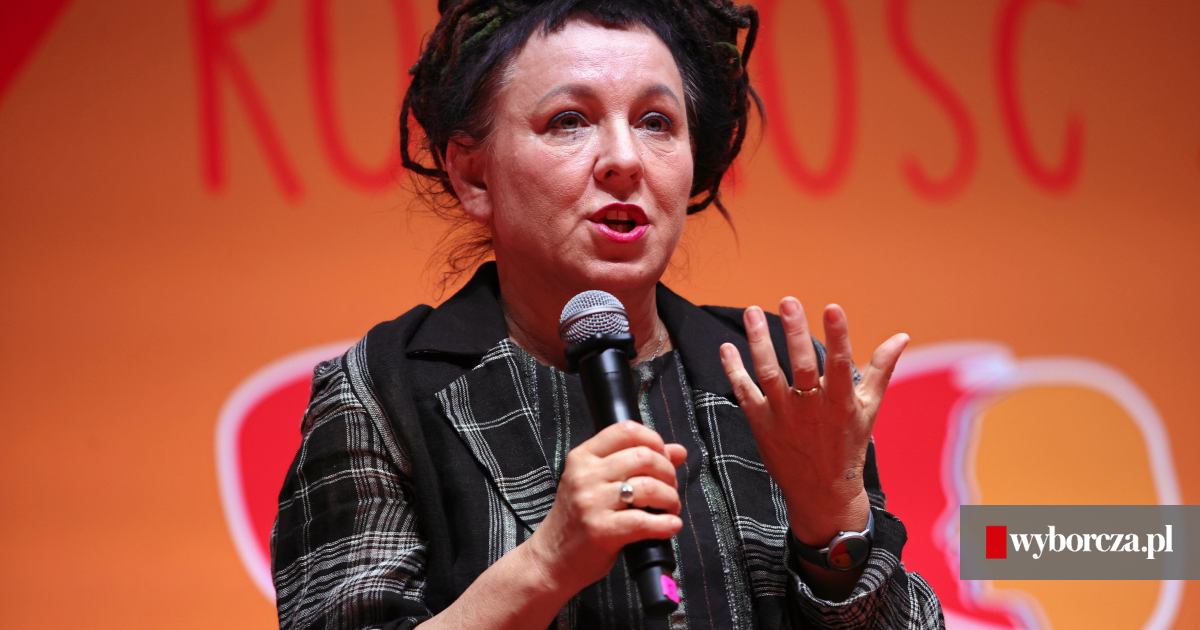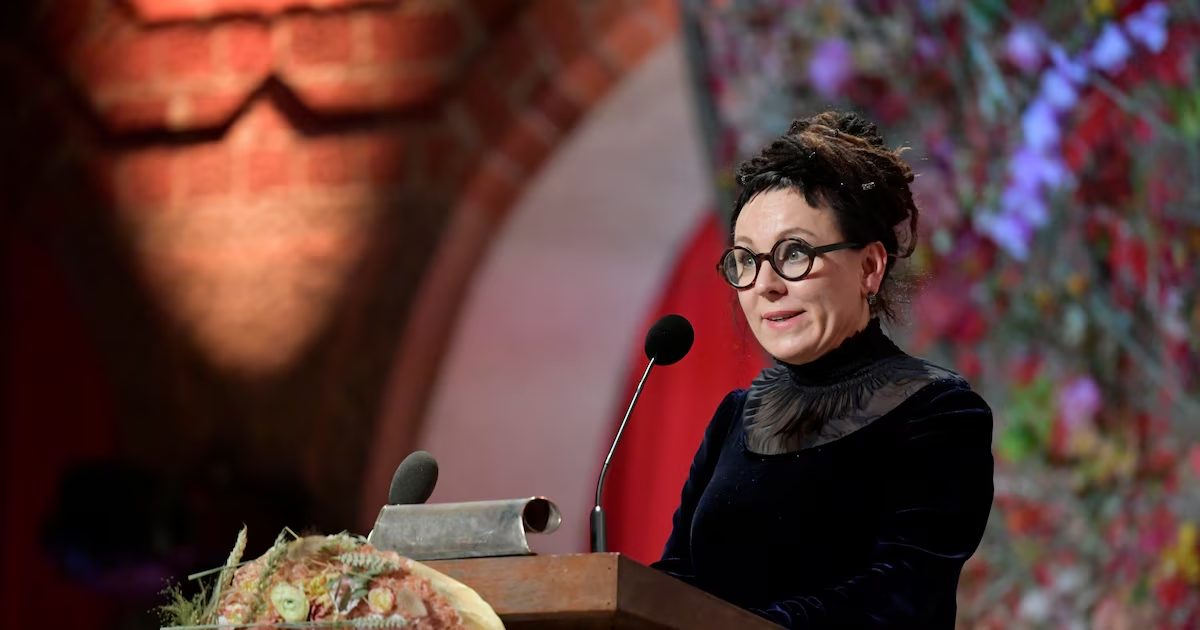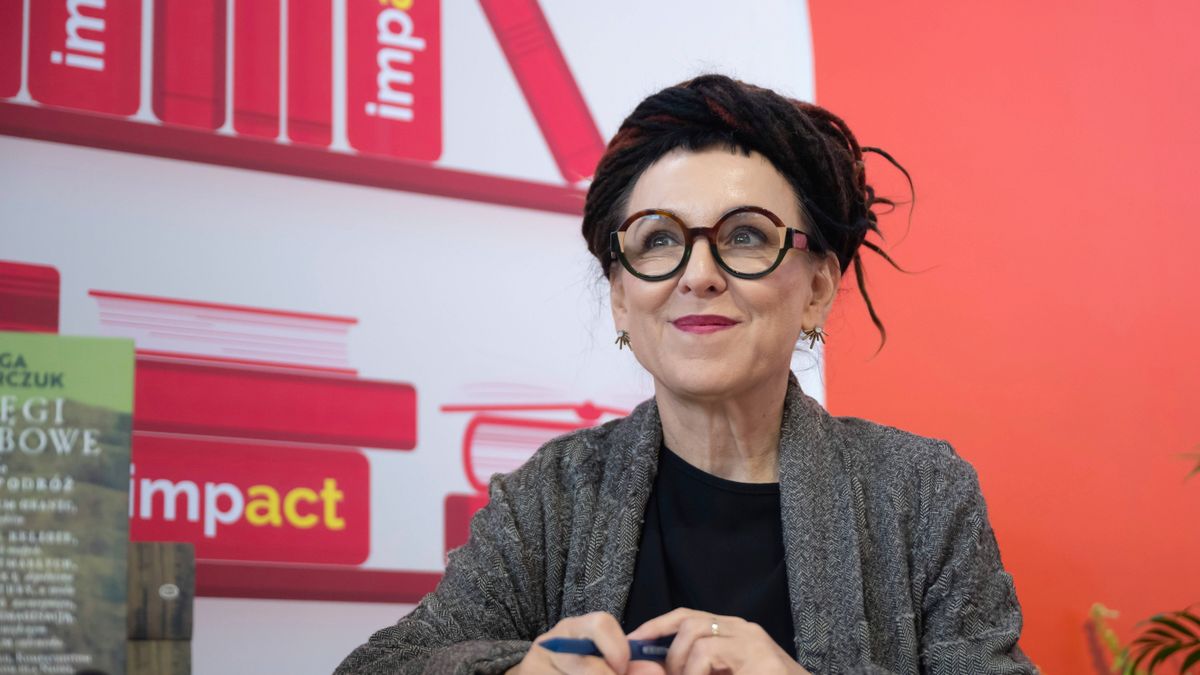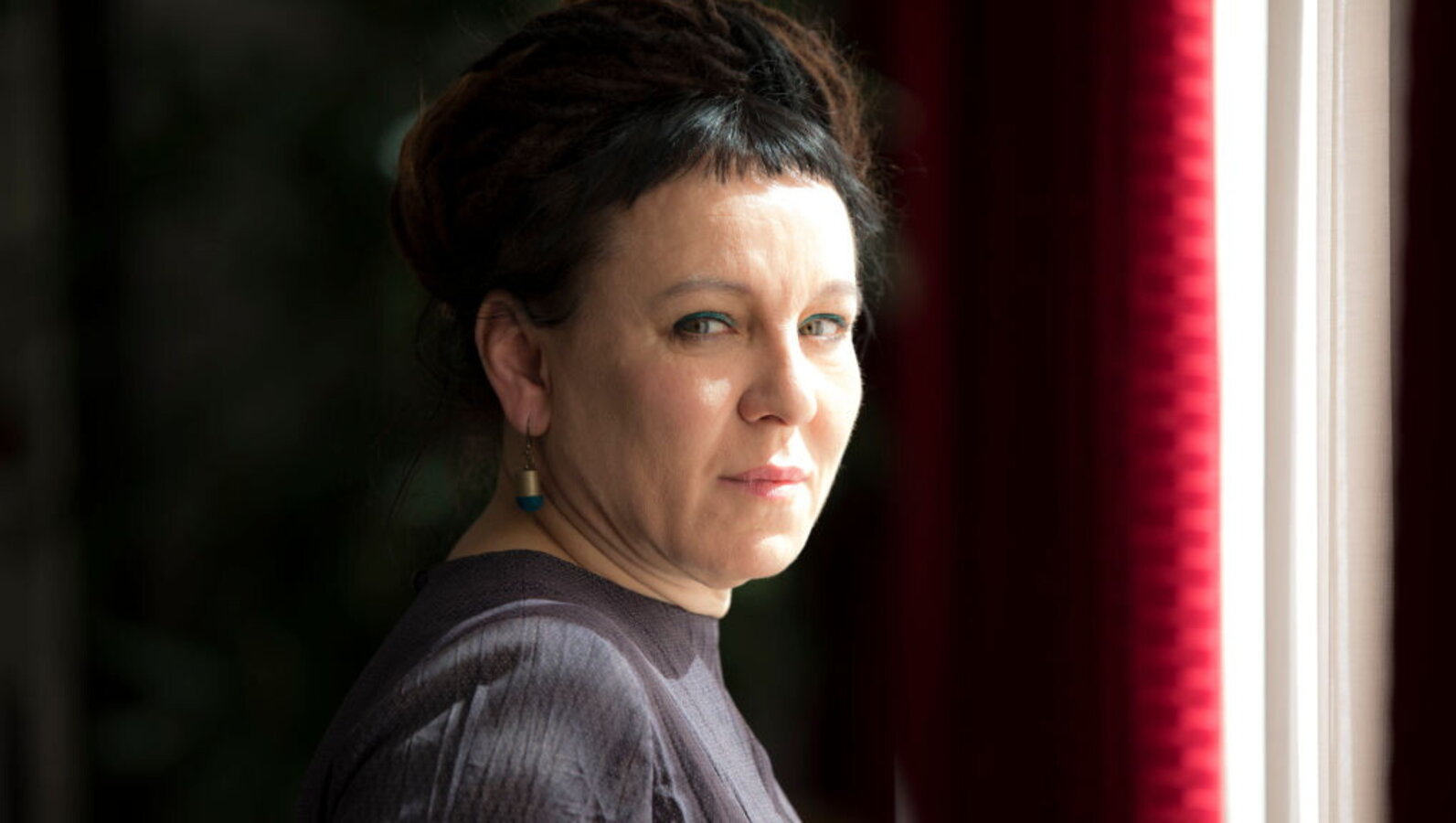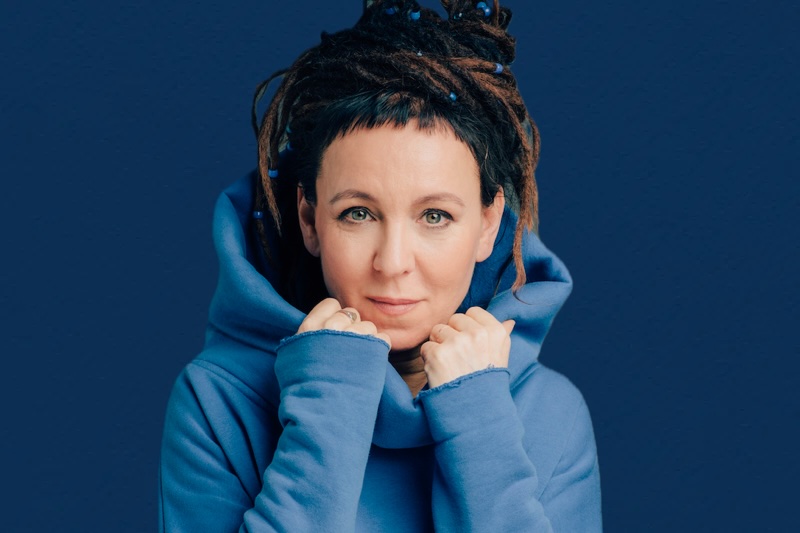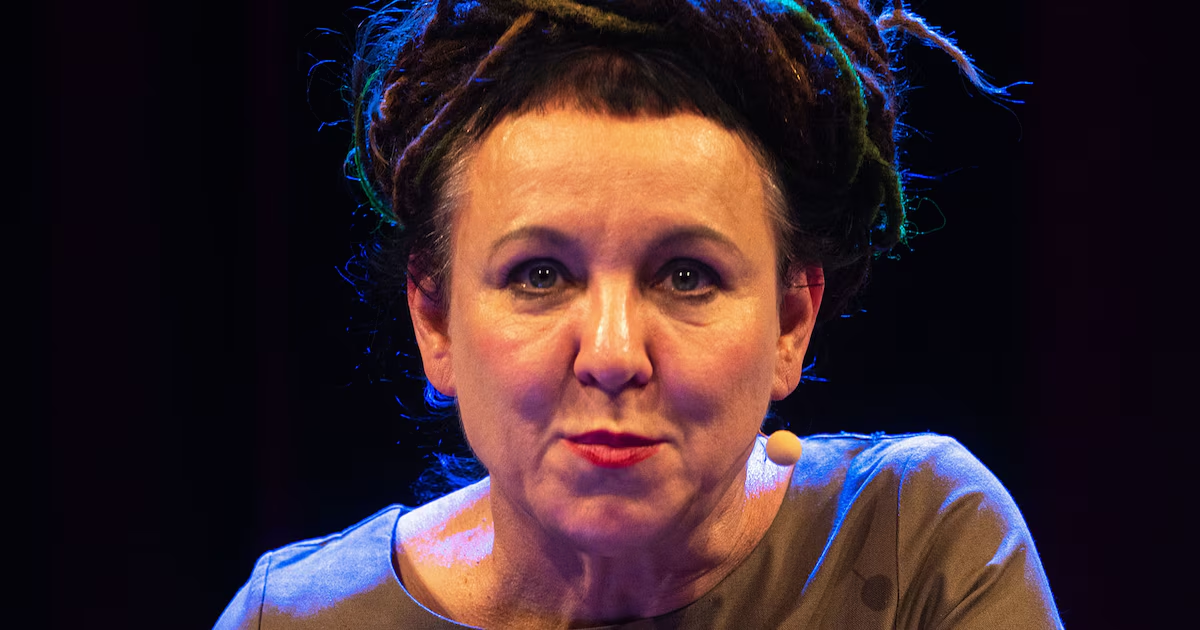
In a recent interview (conducted and published in Polish), Nobel Prize-winner Olga Tokarczuk admitted to using AI in her creative process.
The writer Maks Sipowicz, who drew attention to the interview on Bluesky, translated a few of salient bits: “When writing my latest novel… I asked this advanced model what kind of songs my protagonists would be listening to at a dance, a few dozen years ago, and AI gave me a few titles,” Tokarczuk told the interviewer. “Often I just ask the machine, ‘darling, how could we develop this beautifully?’ Even though I know about hallucinations and many factual errors in the algorithms in terms of economics and hard data, I have to add that in literary fiction this technology is an advantage of unbelievable proportion.”
Here’s a bit more, translated via Google Translate (the irony is not lost on me—in lieu of complaints, please send Lit Hub funding for staff translators):
The involvement of authors from a purely economic point of view, in this dimension of long stories, is simply difficult to imagine. Perhaps a symbiotic future and collaboration with artificial intelligence will help them. Contrary to fears, I believe that we writers, due to the specific nature of our craft, will most quickly and closely engage with tools like AI. Our literary heads and minds operate in a completely different way; their work is based on a broad, very broad peripheral and associative association of facts, which is extremely different from the narrow, very focused tunnel thinking of academics. I bought myself the highest, advanced version of one language model, and I can be deeply shocked by how fantastically it expands my horizons and deepens my creative thinking.