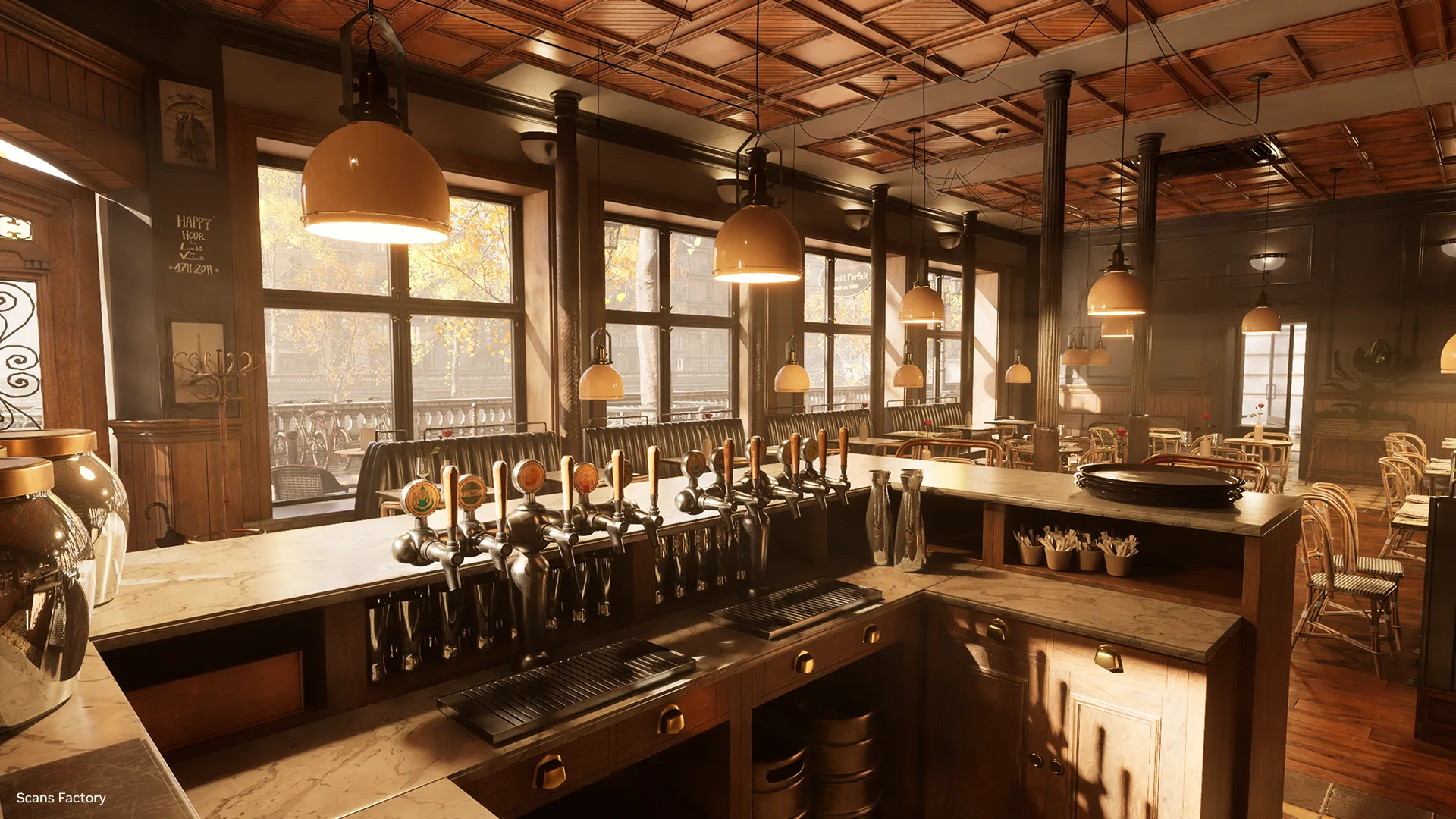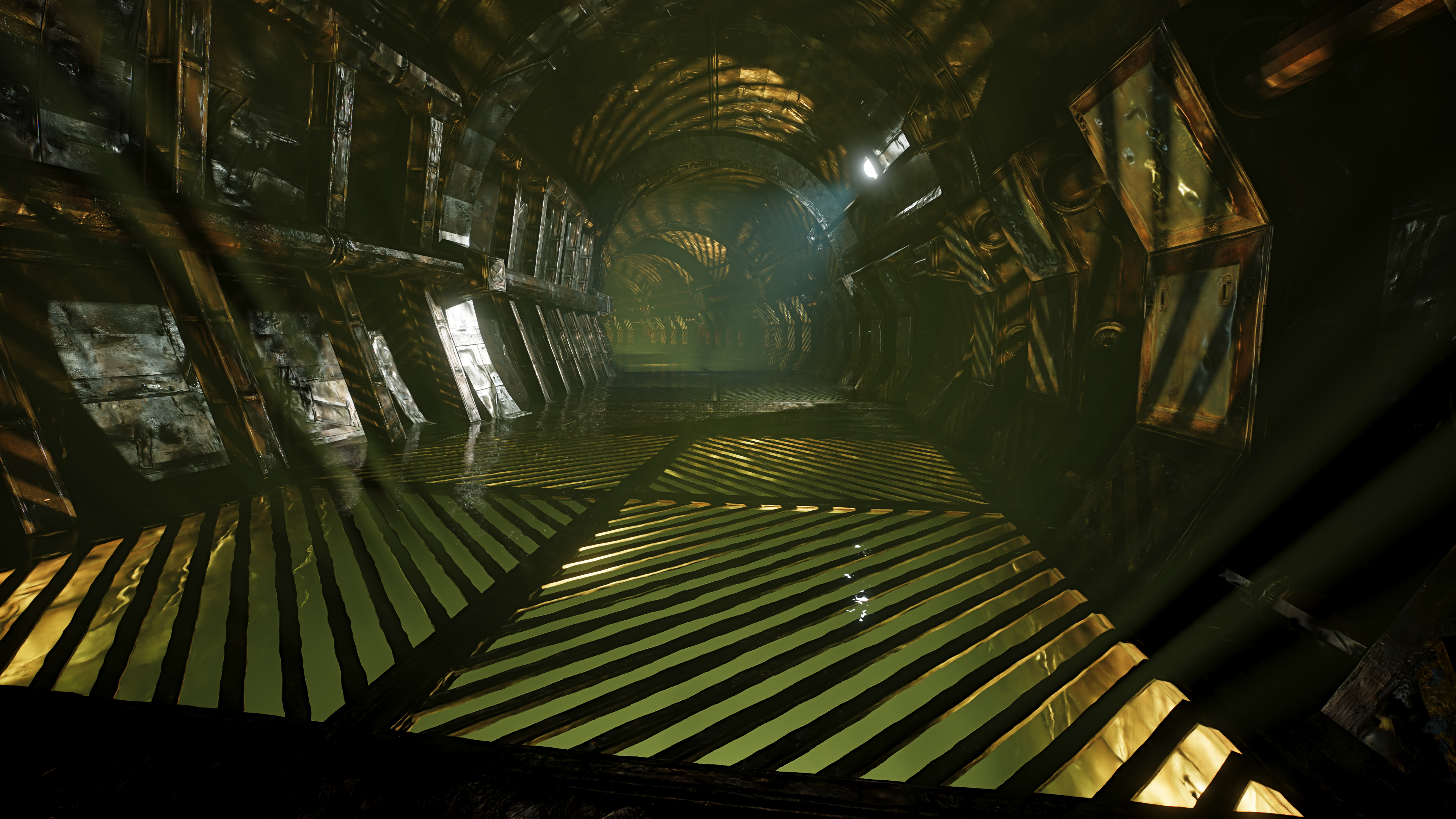
Painkiller RTX sets a new standard for how small teams can balance massive visual ambition with limited resources by integrating generative AI. By upscaling thousands of legacy textures into high-quality Physically Based Rendering (PBR) materials—a process that would have traditionally taken years—the team dramatically reduced the burden of repetitive work.
This approach was especially impactful for contributors without traditional modding backgrounds, freeing them to focus on creative decisions: refining materials and ensuring the game’s iconic atmosphere responds correctly to ray-traced lighting. Learn how the team architected a production pipeline that blends automation with artistic judgment across 35 unique levels.
To explore the motivations, solutions, and lessons behind these technical challenges, we spoke with McGillacutty (environment reconstruction and material lead), Quinn Baddams (team lead and founder of Merry Pencil Studios), and NightRaven (creator of PBRFusion).
What’s your professional background and current role?
McGillacutty: My background spans architectural design, technical art, and game analysis, with a focus on real-time environments. I currently work independently, combining teaching and technical client work with development on RTX Remix projects like Painkiller RTX. My role centers on environment reconstruction, material authoring, and building AI-assisted asset pipelines.