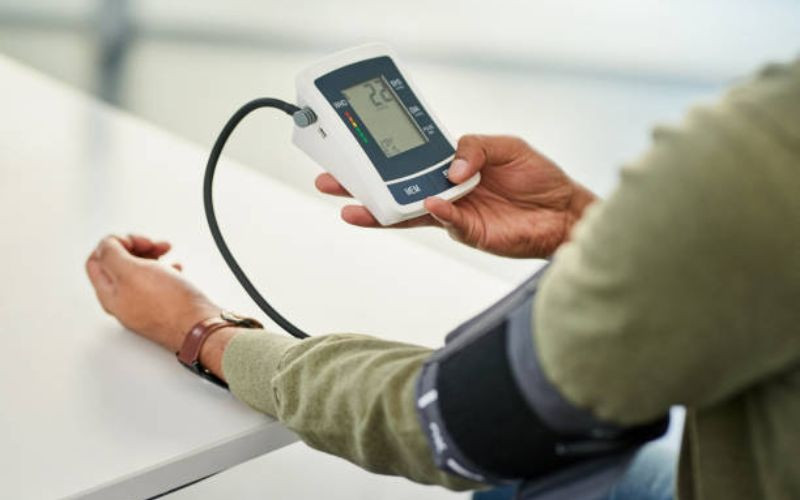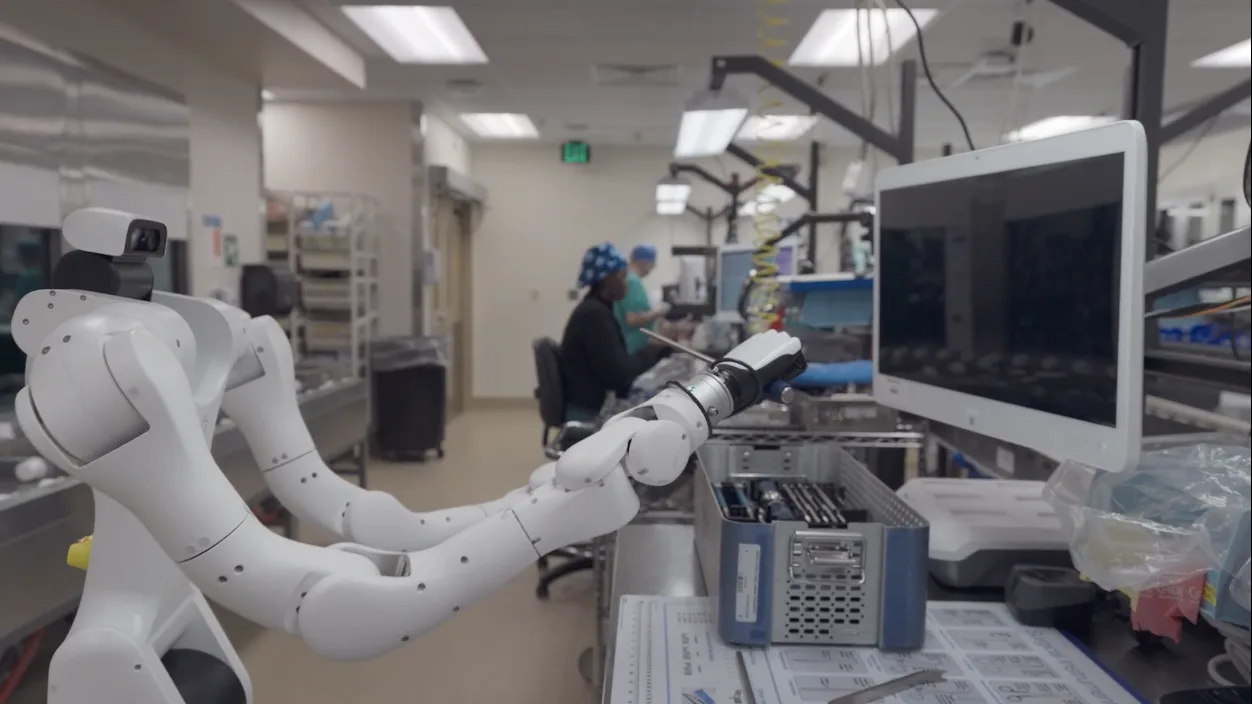
Healthcare faces a structural demand–capacity crisis: a projected global shortfall of ~10 million clinicians by 2030, billions of diagnostic exams annually with significant unmet demand, hundreds of millions of procedures with large access gaps, and costly operating room (OR) inefficiencies measured in tens of dollars per minute.The future hospital must therefore be automation-enabled—where robotics extends clinician capacity, increases procedural throughput, reduces variability, and democratizes access to high-quality care. Imagine autonomous imaging robots navigating patient anatomy to provide X-rays for the unserved billions, while in the OR, ‘Surgical Subtask Automation’ handles repetitive suturing so surgeons can focus on critical decisions. Beyond the bedside, service robots recapture wasted minutes by autonomously delivering supplies, saving nurses miles of walking.
The data gap and real-world limits
The core bottleneck is data. Hospitals are heterogeneous, chaotic, and high-stakes environments—every facility has different layouts, workflows, equipment, patient populations, and policies. Commissioning fleets of robots across diverse hospitals to capture exhaustive real-world data is economically and operationally infeasible. Even if it were possible, real-world data capturing every edge case—crowded hallways, emergency interruptions, rare complications, human-robot interactions under stress—simply doesn’t exist. Testing every scenario in live clinical settings is both unsafe and impractical.The solution is simulation, digital twinning, and synthetic data generation.