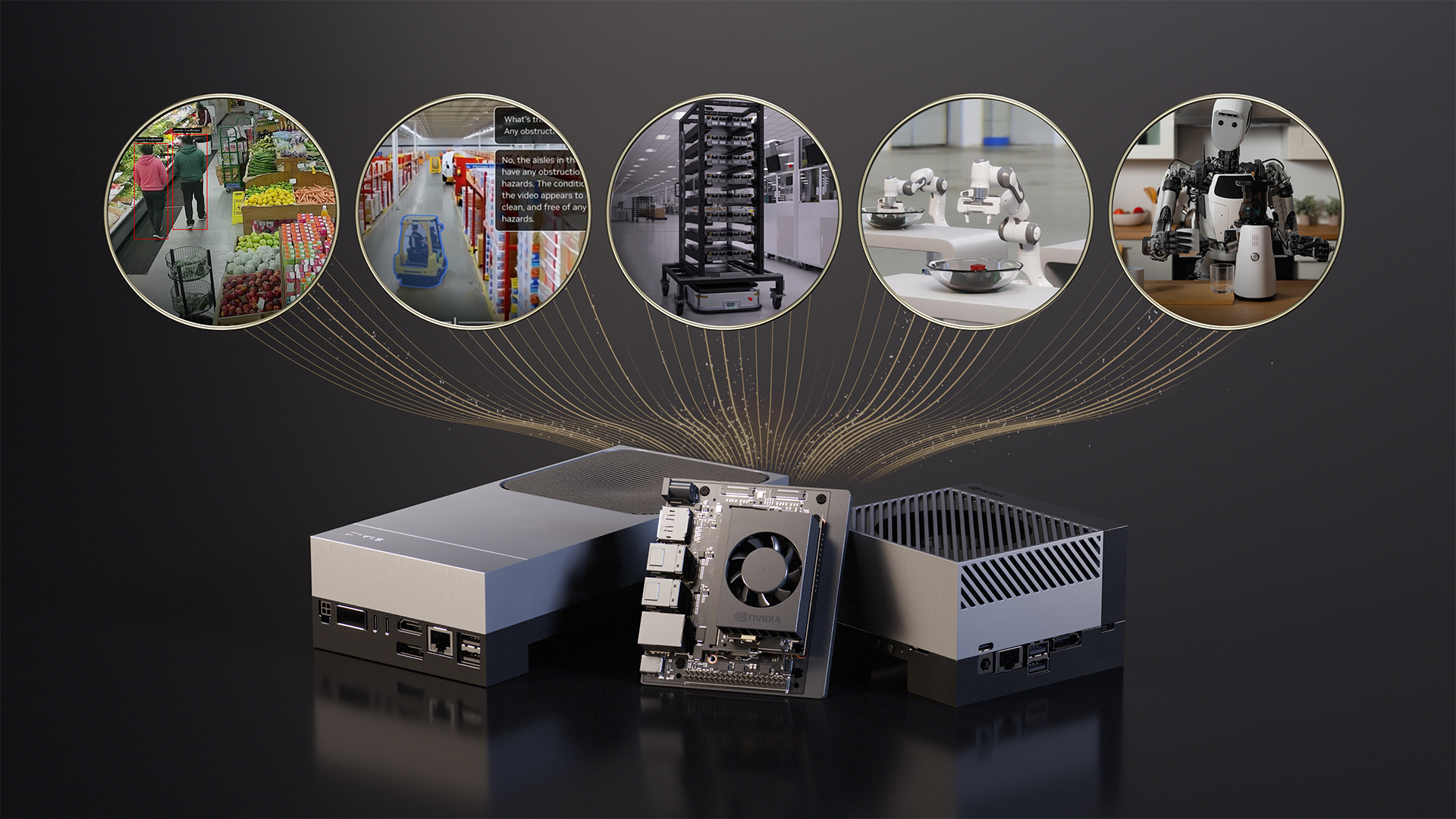
The boom in open source generative AI models is pushing beyond data centers into machines operating in the physical world. Developers are eager to deploy these models at the edge, enabling physical AI agents and autonomous robots to automate heavy-duty tasks.
A key challenge is efficiently running multi-billion-parameter models on edge devices with limited memory. With ongoing constraints on memory supply and rising costs, developers are focused on achieving more with less.
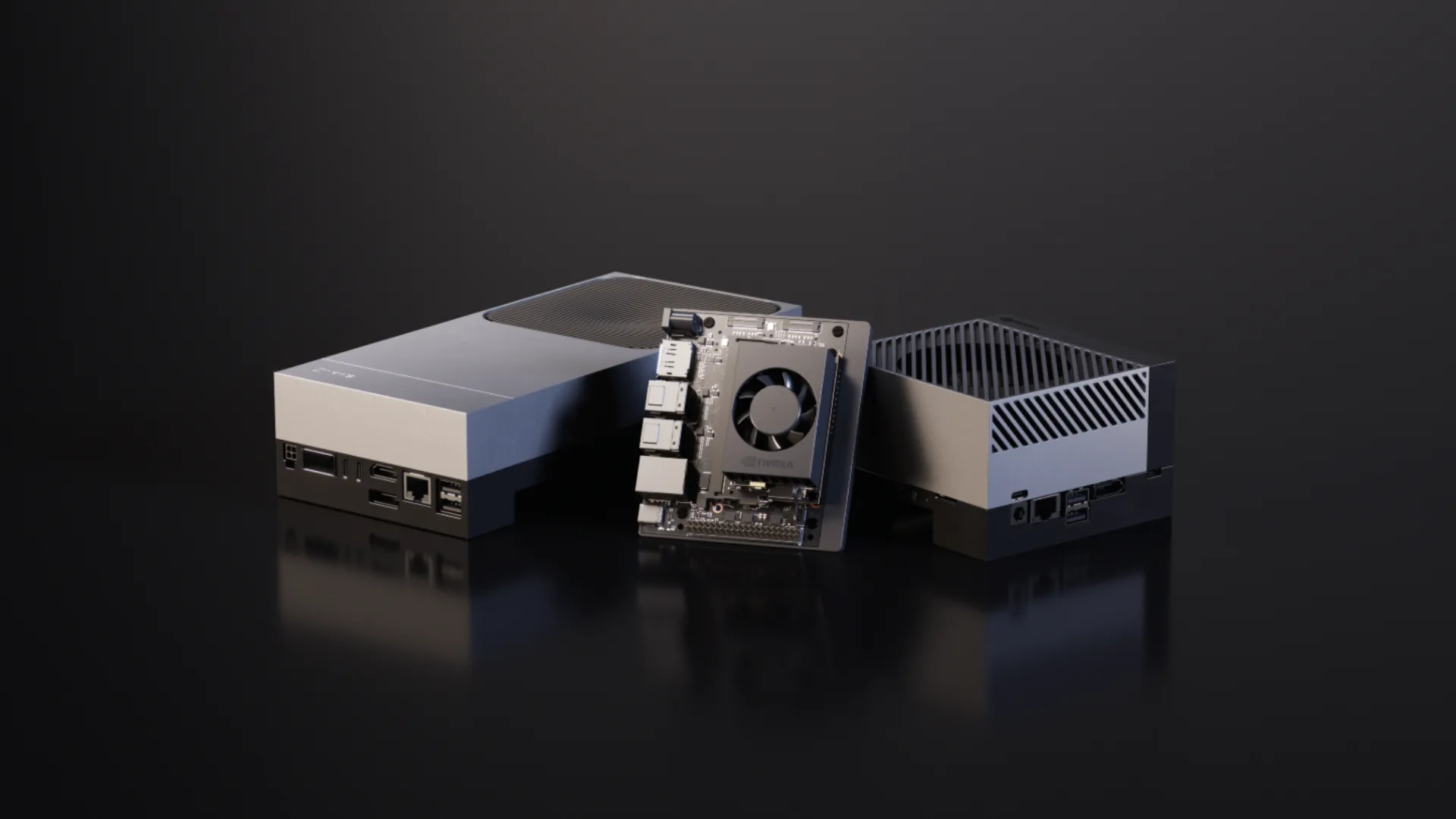
The NVIDIA Jetson platform supports popular open models while delivering strong runtime performance and memory optimization at the edge. For edge developers, the memory footprint determines whether a system functions. Unlike cloud environments, edge devices operate under strict memory limits, with CPU and GPU sharing constrained resources.
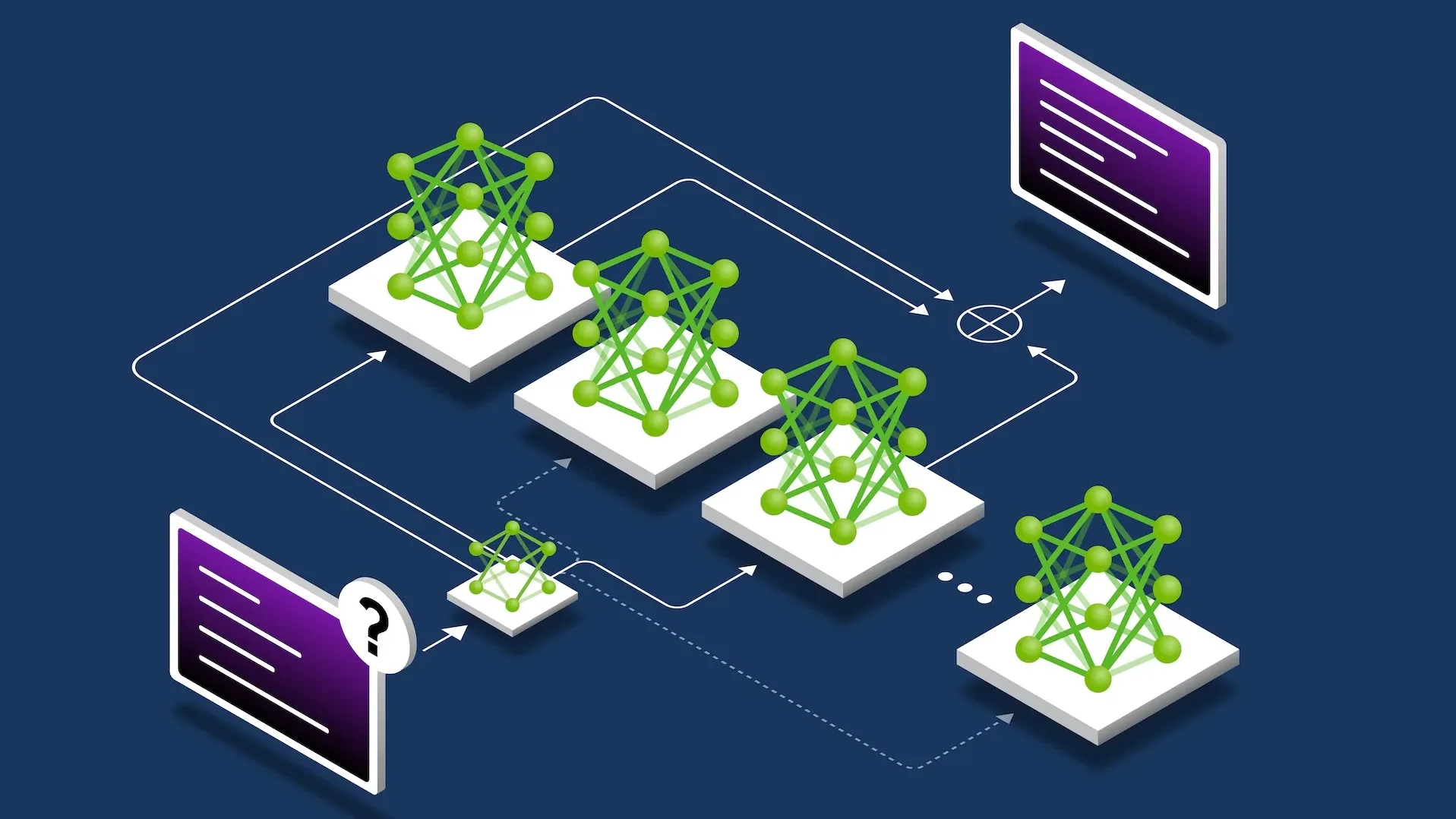
Inefficient memory use can lead to bottlenecks, latency spikes, or system failure. Meanwhile, modern edge applications often run multiple pipelines—such as detection, tracking, and segmentation—making efficient memory management critical for stable, real-time performance under power and thermal constraints.
Optimizing memory usage provides clear benefits. Developers can improve performance on the same hardware by reducing overhead and increasing concurrency, while enabling more complex workloads like LLMs, multi-camera systems, and sensor fusion. It also reduces system cost by fitting into smaller memory configurations and improves efficiency (performance per watt) by minimizing bottlenecks and maximizing GPU utilization.