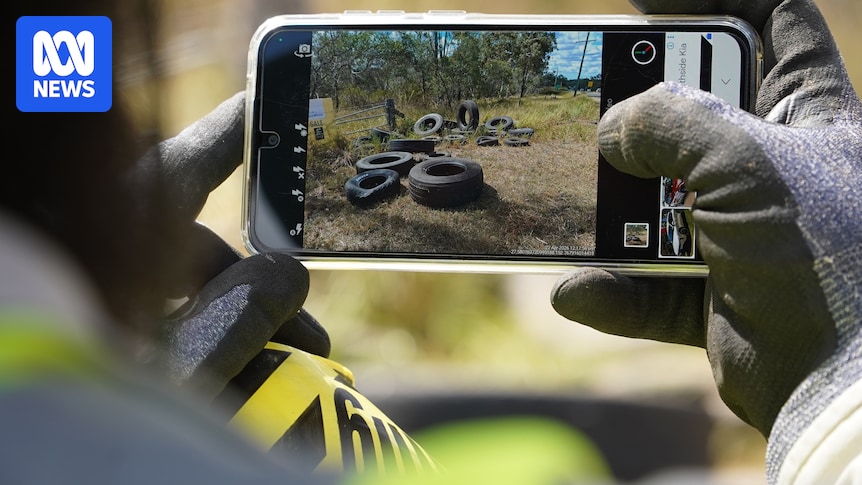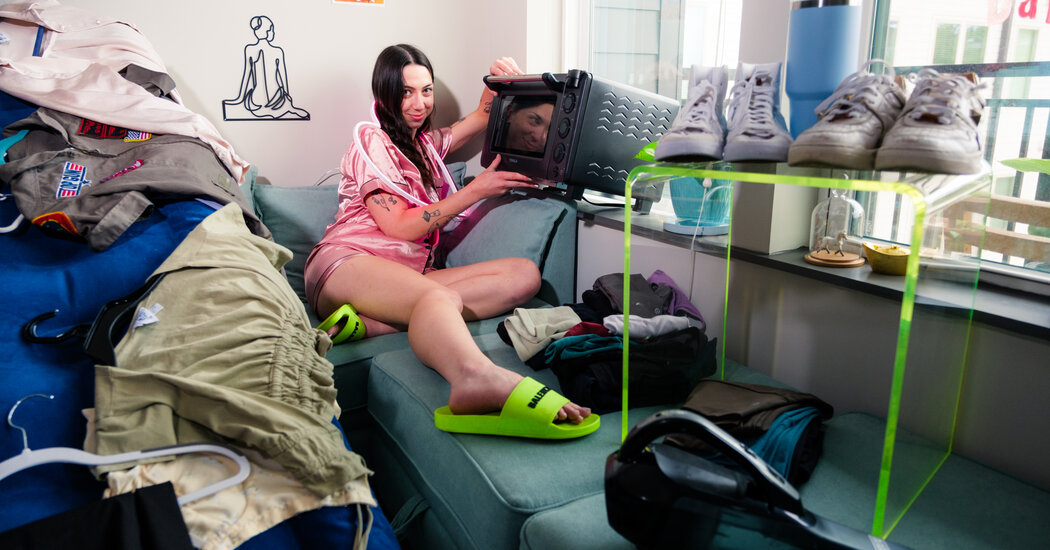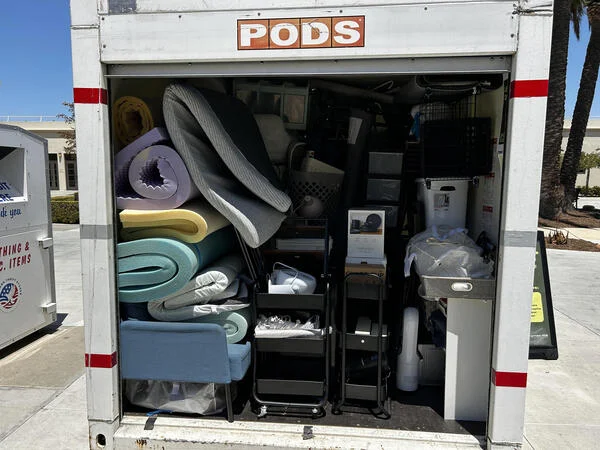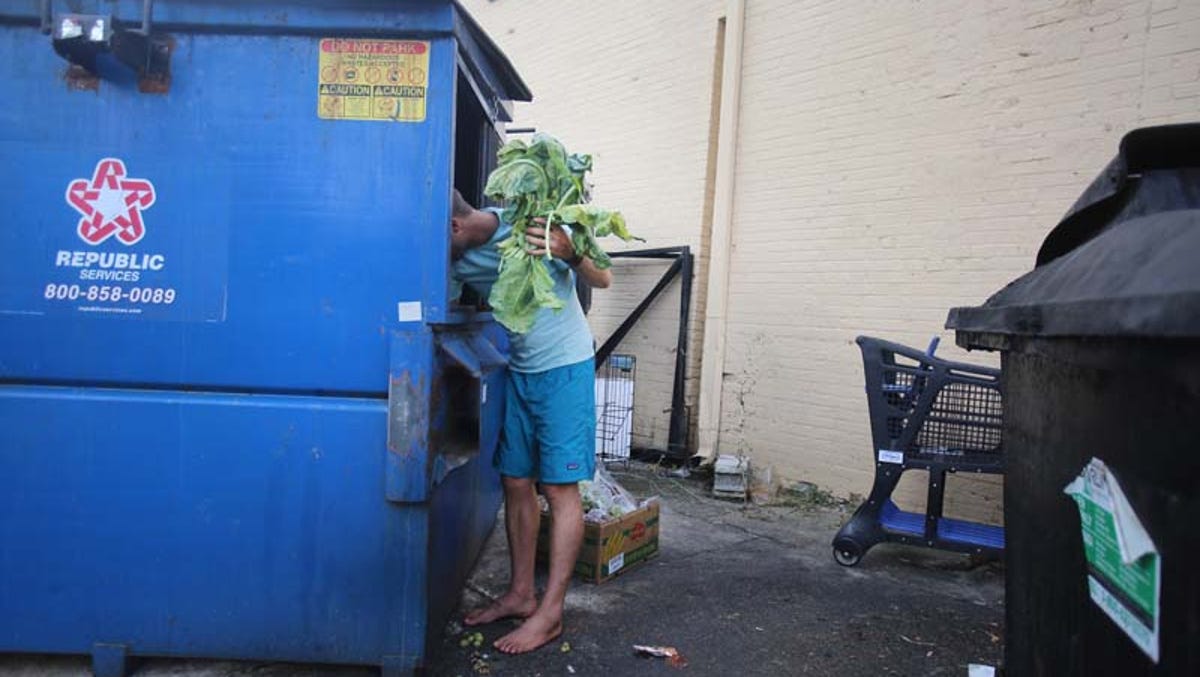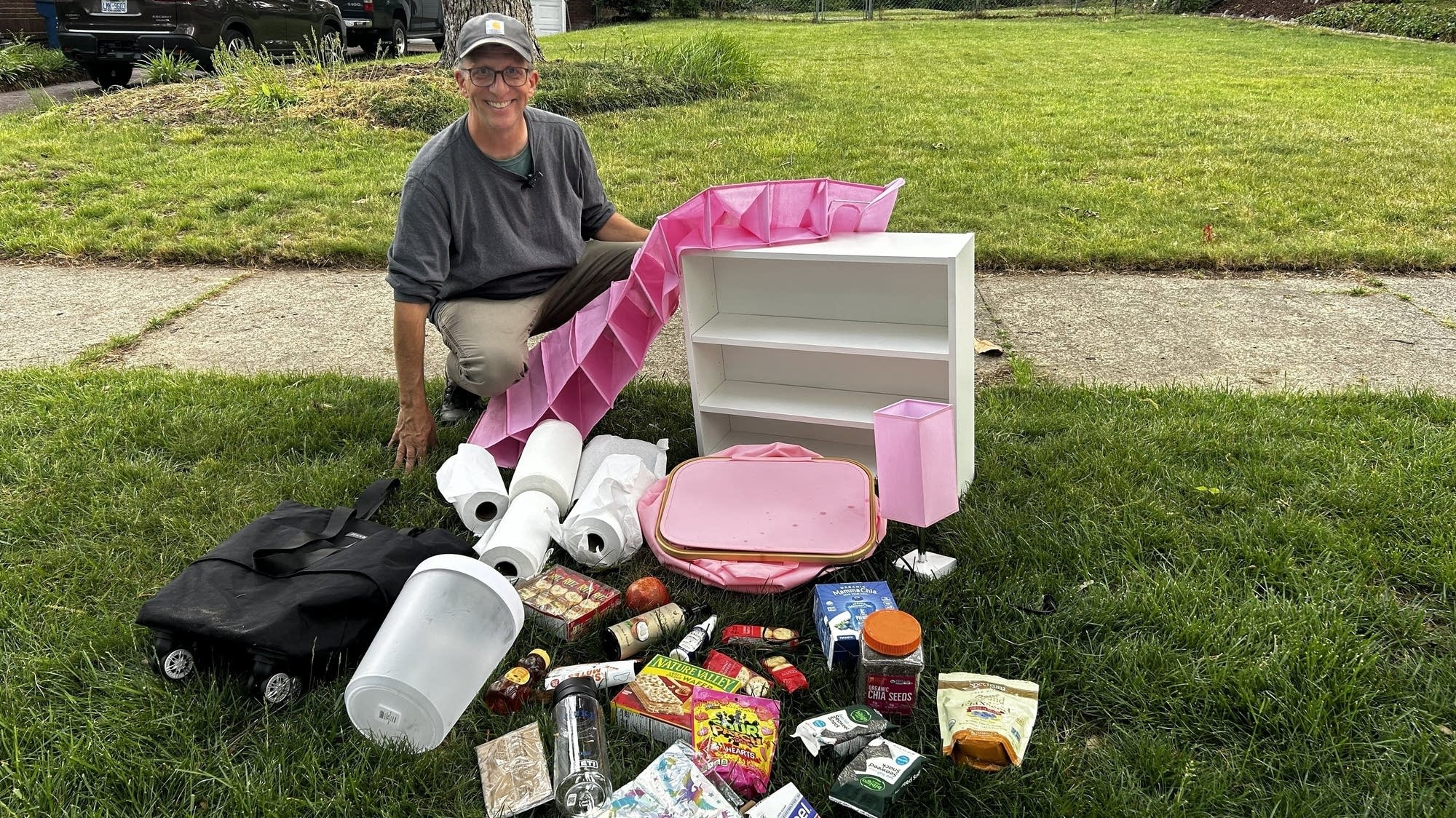
It begins in late April — Duke University students finish their final exams, pitch mini fridges, mirrors and shower caddies in the dumpsters behind their dorms, and head home for the summer. Then, at all hours of the day, Durham residents pick through their trash. This spring, I joined pro dumpster diver Ben Krase on a hunt.Krase divides his finds into two categories, “good trash” and “trash trash.” The former includes things like closet organizers, bookshelves, and bottles of Lysol. The latter? Well, you can imagine. He looked back fondly on his past hunts. “We found a lot of clothes that we just donated to Goodwill … shower caddies and plastic crates … the kinds of things people have in their dorm rooms that they can’t be bothered to put in storage,” he said.But the really good stuff? He sells on his eBay shop. “I just recently sold a backpack that I found in a dumpster,” Krase said. “It’s not a lot but if I can make $15 off of something that I found for free, it’s not going to a landfill … it just feels good that it’s back in circulation.”Alex Freid, founder of the Atlas Zero Waste fellowship program, is also an avid dumpster diver. But he’d rather keep usable materials out of the trash.“ What we wanna do is terms of supporting campuses at an institutional level is helping them build the systems to avoid [dumpsters] in the first place,” he said.The Atlas Zero Waste fellowship trains college students to work with their campuses on establishing zero waste commitments. That includes a guide to reducing end-of-semester waste. Freid recommends schools approach the problem in three main ways:A direct community giveaway. Imagine a quad filled with mini fridges, mirrors, and shower caddies. Would-be dumpster divers can walk up in the light of day and grab what they’d like.A connection with local nonprofits, who pick up the items that they need the most. Duke University has a program like this, with collection boxes placed in dorms at the end of the spring semester. A campus yard sale, where students donate items at the end of the semester, they’re stored over the summer, and then sold at the beginning of the fall semester at a steep discount. Revenue from the sale covers the cost of moving trucks and storage units.Duke University isn’t partnered with Atlas Zero Waste, but they have a number of programs aimed at reducing waste, including those dorm donation bins to a free pop-up campus thrift store for students. But reducing campus waste is a complex issue, and the school’s dumpsters were filled with finds. Most were barely used household items, like Lysol wipes and rolls of paper towels. Or unopened snacks: boxes of microwave popcorn or peanut butter crackers. But there were also some gems: Six copies of Percival Everett’s Pulitzer Prize-winning novel “James,” which was the school’s summer reading assignment. (Two were in good enough condition to be donated.) An Alo sweatshirt that retails for $138, a Michael Kors suit jacket, a working mini-fridge, and clothing from brands like Lululemon, J.Crew, and Calvin Klein.Dumpster diver Ben Krase donates most of his finds and sells others on eBay. But he keeps the occasional item.“I’ve got a kid going to college in two years,” he said, while loading a small Ikea shelf into his car. After it’s disinfected, it’ll go into his basement with a collection of other “good trash” that will one day furnish his daughter’s dorm room.
Colleges try to divert end-of-semester waste, but dumpsters are still full
One man’s dorm-moveout trash is another man’s treasure.
582 words~3 min read