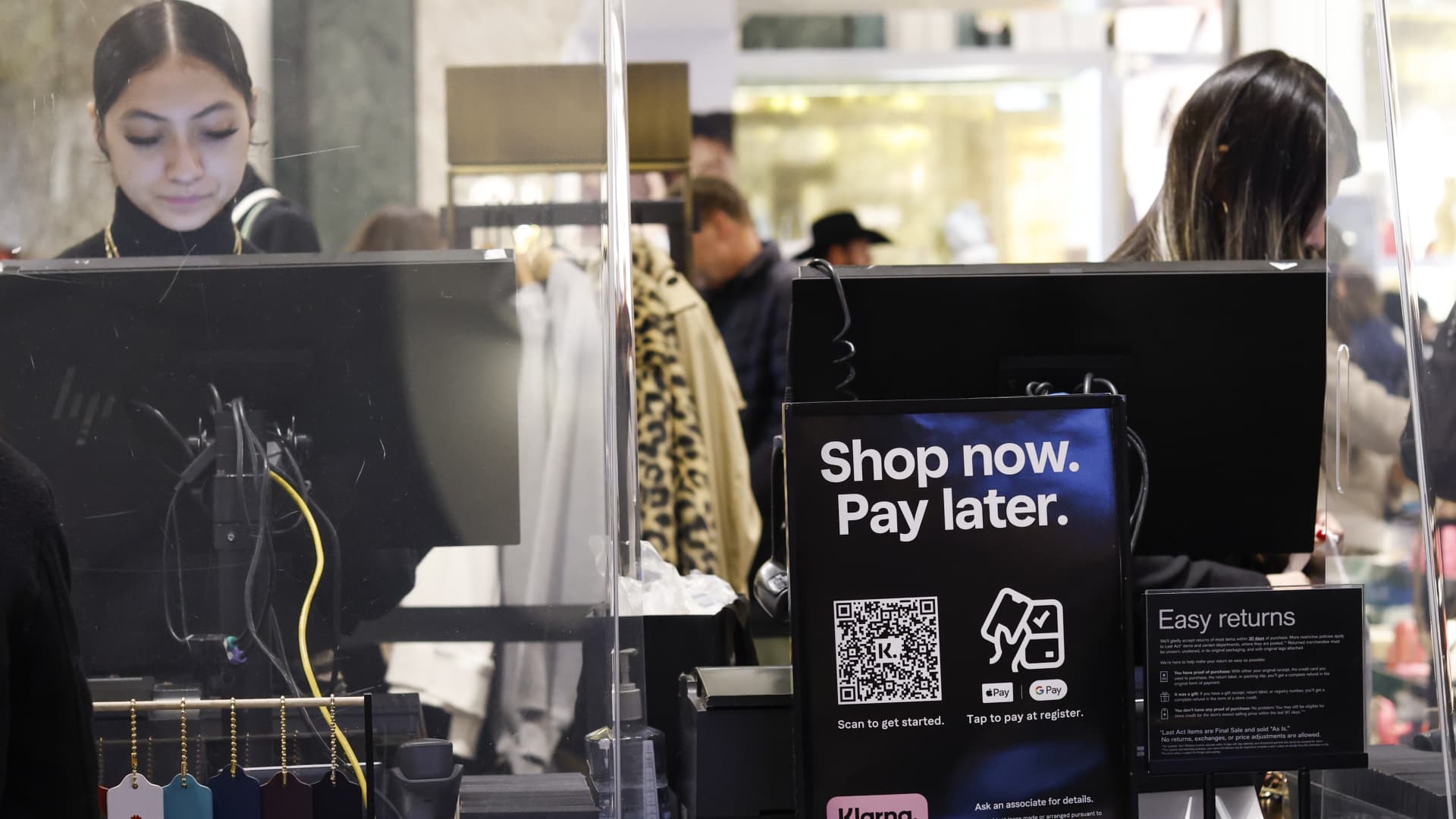
Americans’ finances are getting stretched to historic margins, so the option to spread out payments on everyday purchases into multiple, usually interest-free installments has become increasingly appealing.
What could go wrong?
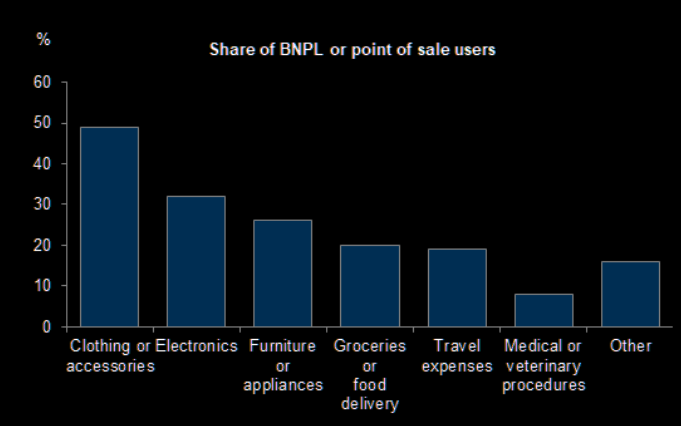
Slightly more than half of Americans have used buy now, pay later at least once for an online purchase, according to a Gallup poll released Monday. It’s been a meteoric rise in use for this kind of plan. Between 2019 and 2021 alone, the number of loans originated in the U.S. under buy now, pay later grew from 16.8 to 180 million, a 970% increase, while the dollar volume of those loans climbed more than 1,000% to $24.2 billion, according to a 2022 report by the Consumer Financial Protection Bureau.
The pros and cons of buy now, pay later
But there’s a downside to buy now, pay later’s near ubiquity. The product’s ease of use has made it particularly attractive for lower-income households, and the Gallup poll found the use of installment plans rises in tandem with how worried consumers are about aspects of their finances, such as paying off a credit card bill. For a rising number of Americans, buy now, pay later has become less of a convenience, and mostly just another debt burden.