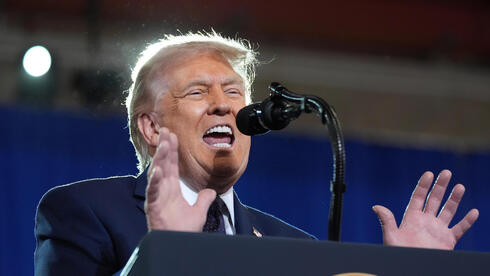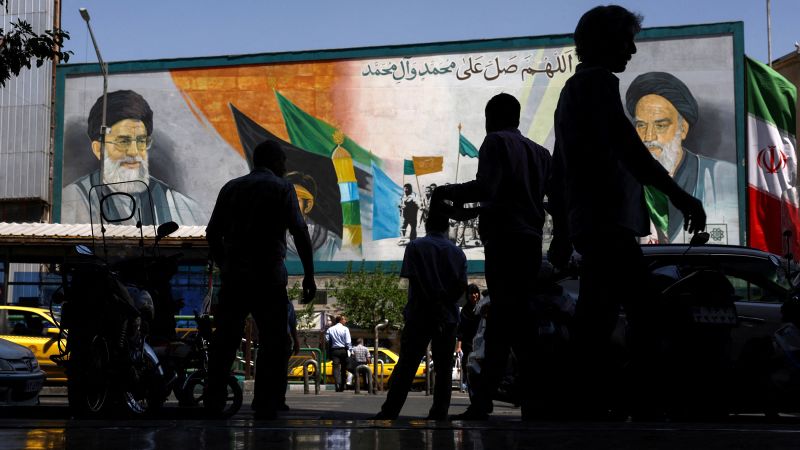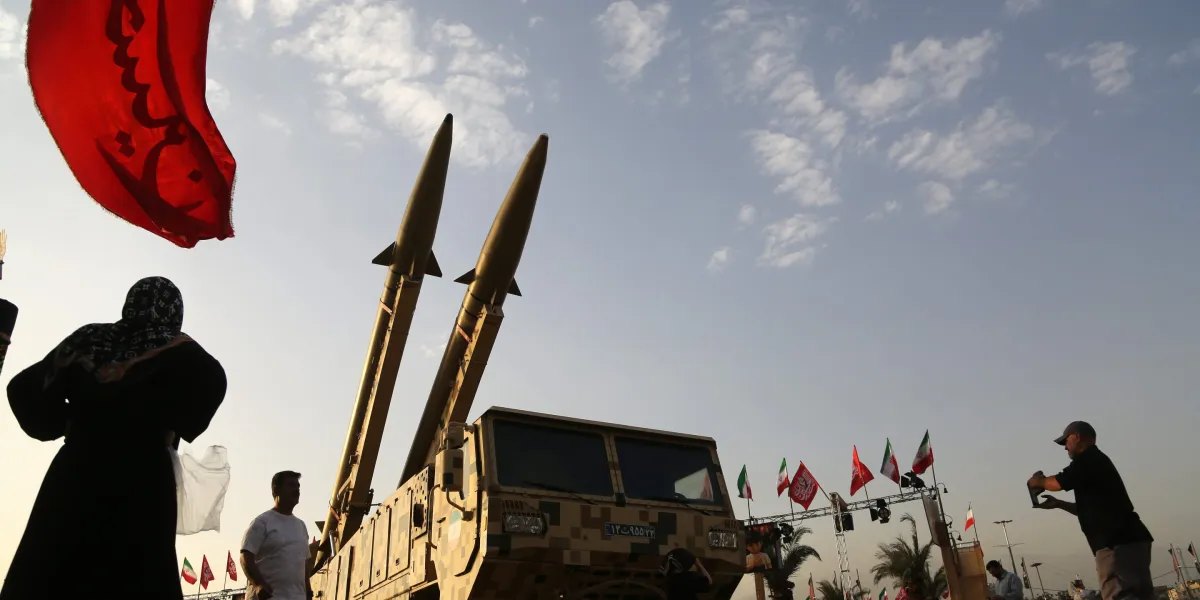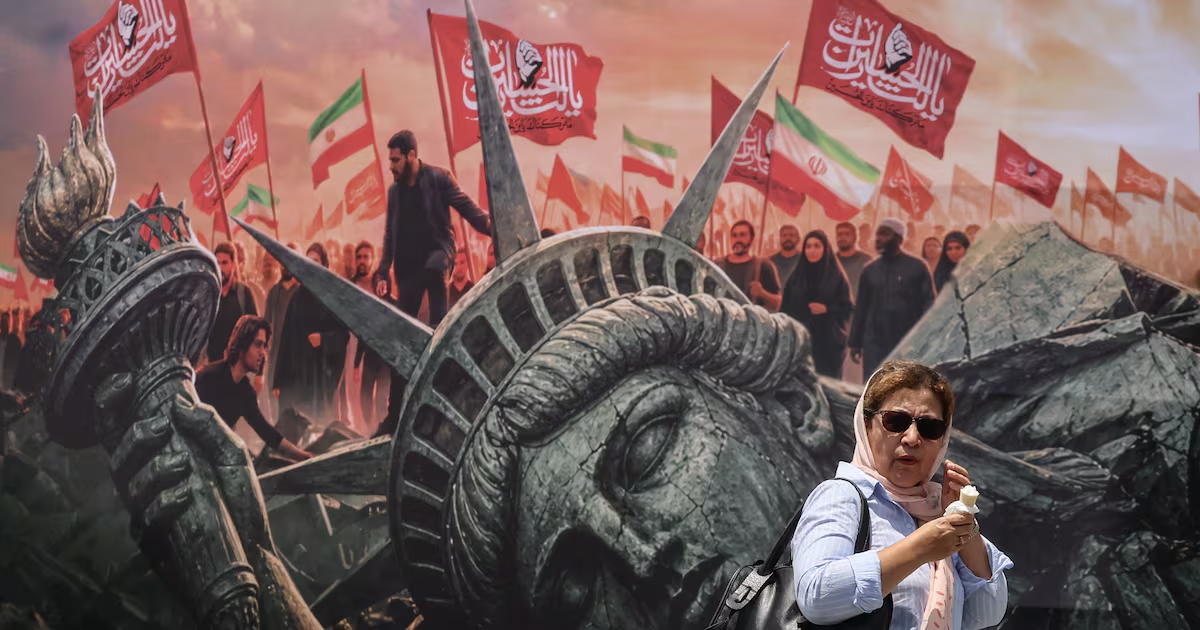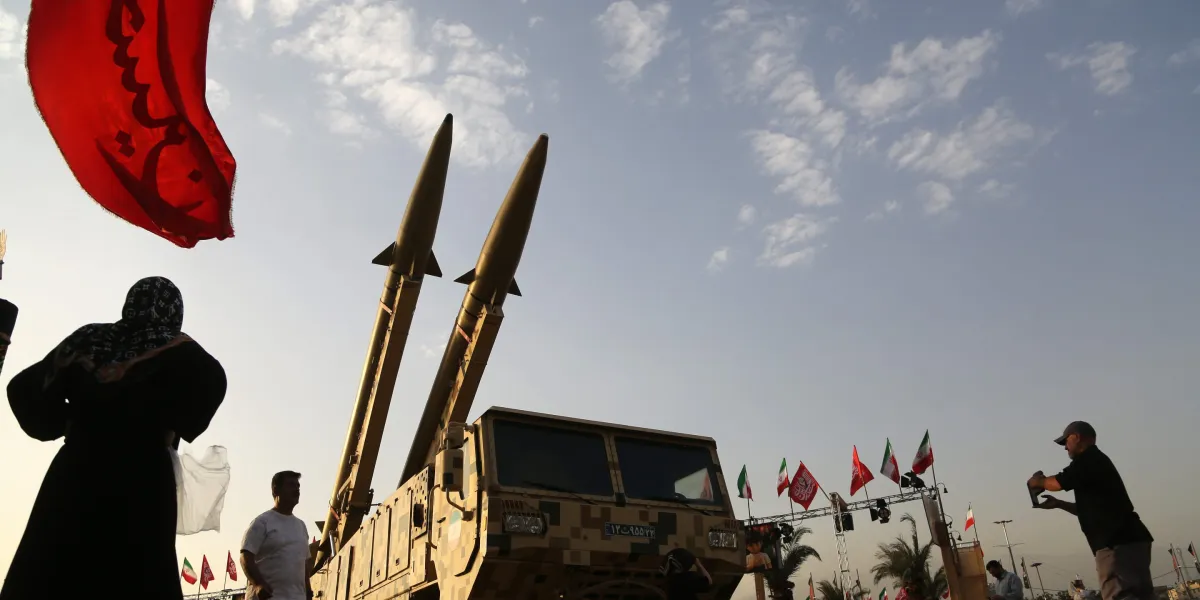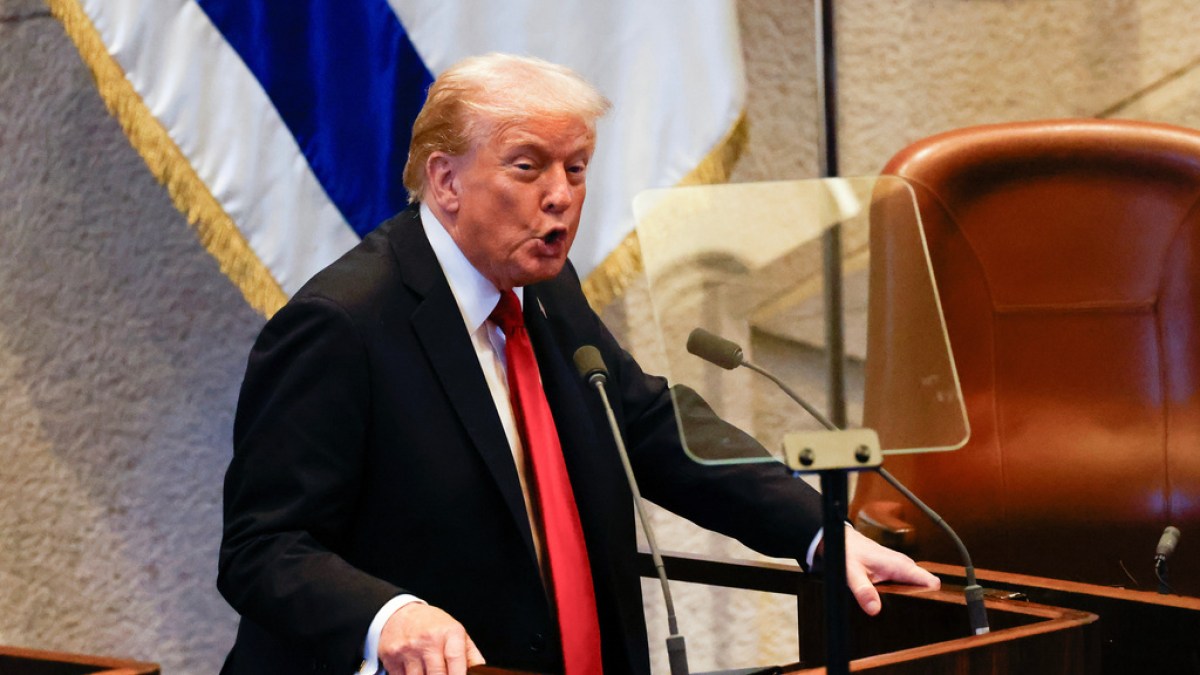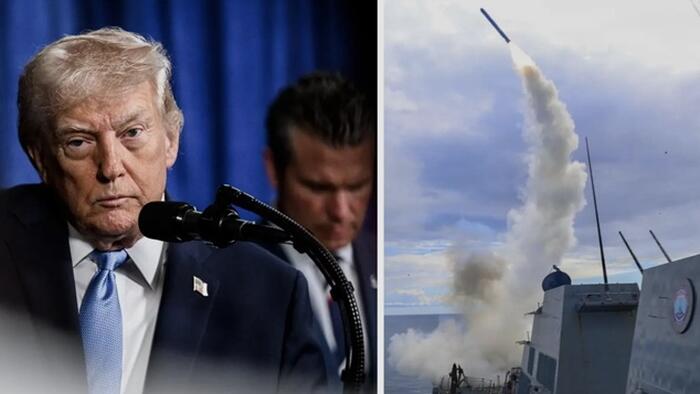
At this point even hawkish Israeli think tank pundits are increasingly admitting that Iran currently has certain leverage and an edge when it comes to dealing with the United States, and the so far stalled and failed peace talks to end the war.President Trump has just described that he called off planned renewed airstrikes on Iran, at the request of Gulf allies - who claim efforts toward getting back to the table and reaching a deal are close, despite that Iran's position on its nuclear program has not budged. Shutterstock/US NavyWhen the White House first initiated Operation Epic Fury, it was hyped as presenting the opportunity for a clean tactical victory likely to result in swift regime change (Venezuela-style); however, it has officially morphed into yet another classic, grinding Washington Mideast dilemma - just as critics loudly warned would happen.President Trump now finds himself boxed into a high-stakes corner with no easy exit ramp in sight - he can appear 'weak' through inaction, or pursue escalation and potential quagmire with likely disastrous economic and political consequences at home. In such situations each new and 'next' military action which gets presented as a 'way forward' actually often serves to make a conflict more unpredictable, sinking the US into a deeper escalation trap.And now enter aforementioned Israeli think tank hawks. Raz Zimmt, the Director of the Iran and the Shiite Axis program at the Israel-based Institute for National Security Studies (INSS), has pointed out that Trump's pull-back from 'planned' new airstrikes will leave Tehran leaders with some clear conclusions. It should be remembered that the INSS, which is affiliated with Tel Aviv University, is Israel's most premier defense establishment think tank."Whether or not it was indeed requested to do so by the rulers of the Gulf states, Tehran draws two main conclusions this morning from the president's statement," Zimmt, whose work is often promoted by Axios Barak Ravid, began in a thread on X (machine translated).Here's how the Israel-based pundit lays it out (emphasis ZH):A. It has once again been proven that Trump is not interested in war. From Tehran's perspective, this does not mean there will be no war, and therefore it is preparing for a resumption of hostilities. However, this strengthens its perception that the fear in the US and the Gulf of the consequences of renewing the campaign outweighs the fear in Iran.B. It is impossible (and this too, of course, is not a new insight in Tehran) to rely on any word coming from Trump's mouth or keyboard in his endless frenzy. Therefore, not only must it refrain from agreeing to concessions that amount to capitulation to US demands—for example, forgoing nuclear capabilities, such as enrichment infrastructure, and not just the products of the program, such as uranium enriched to 60%—but it must continue to insist, already in the first stage, on security and economic guarantees: a complete end to the war, easing of sanctions or unfreezing of frozen Iranian assets, and management arrangements in the Strait of Hormuz that express recognition of Iran's control over the strait. And the problem is that it is doubtful whether this perception will change even in a scenario of renewed hostilities, unless a way is found to incorporate within its framework an action or actions that succeed in denying or significantly weakening one of the two cards in Iran's hand: control of Hormuz and the nuclear assets.President Trump on Monday actually said "hopefully, maybe forever" when asked about the decision to delay the Iran attack. This was certainly not missed in Tehran.A Trump-Iran pattern?
Iran Now Has More Incentive To Resist US Demands, Even If War Restarts: Israeli Think Tank
This strengthens its perception that the fear in the US & the Gulf of the consequences of renewing the campaign outweighs the fear in Iran.
1,272 words~6 min read