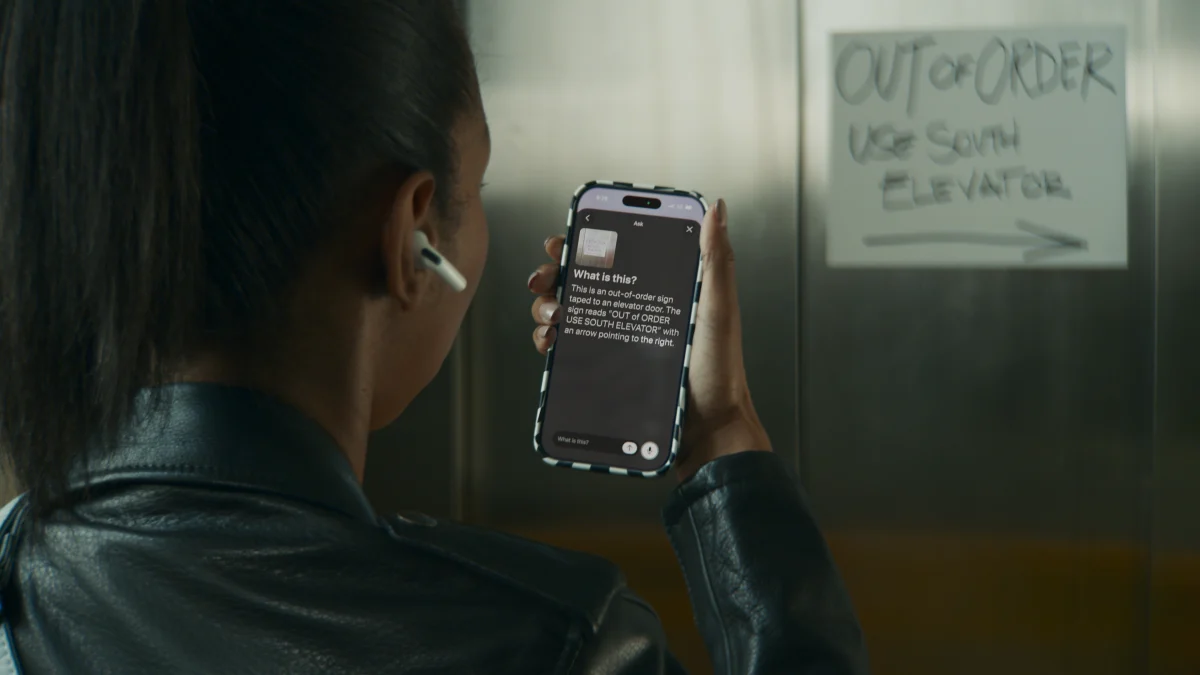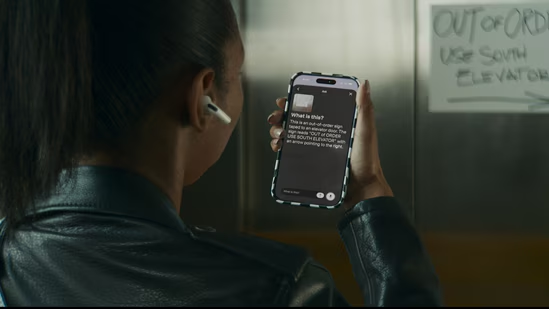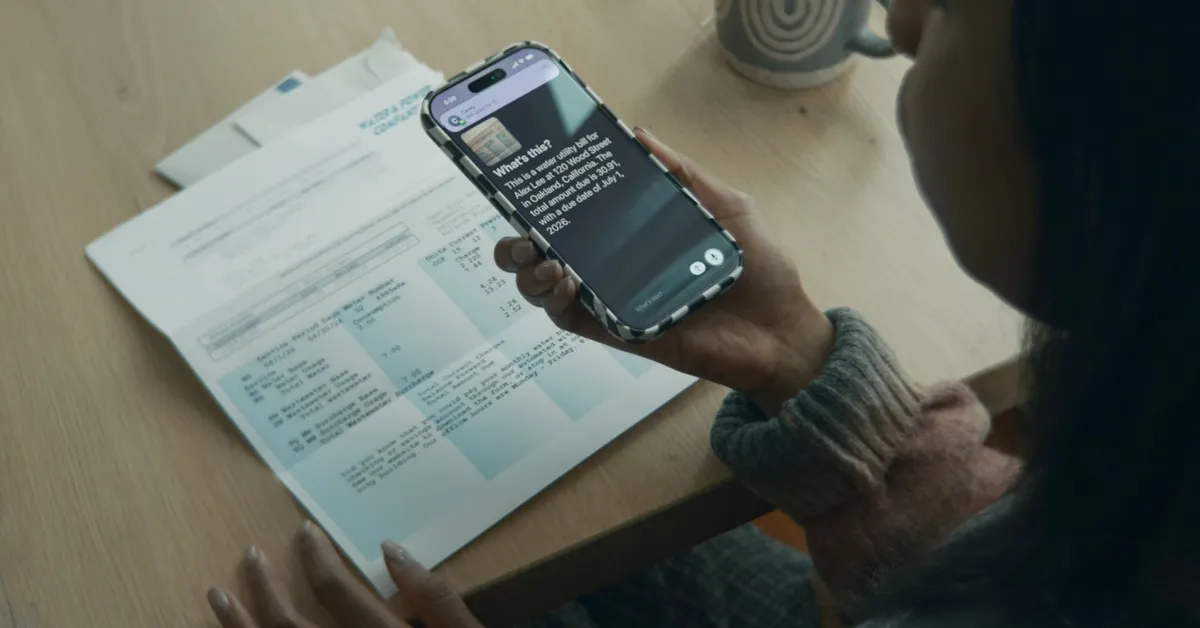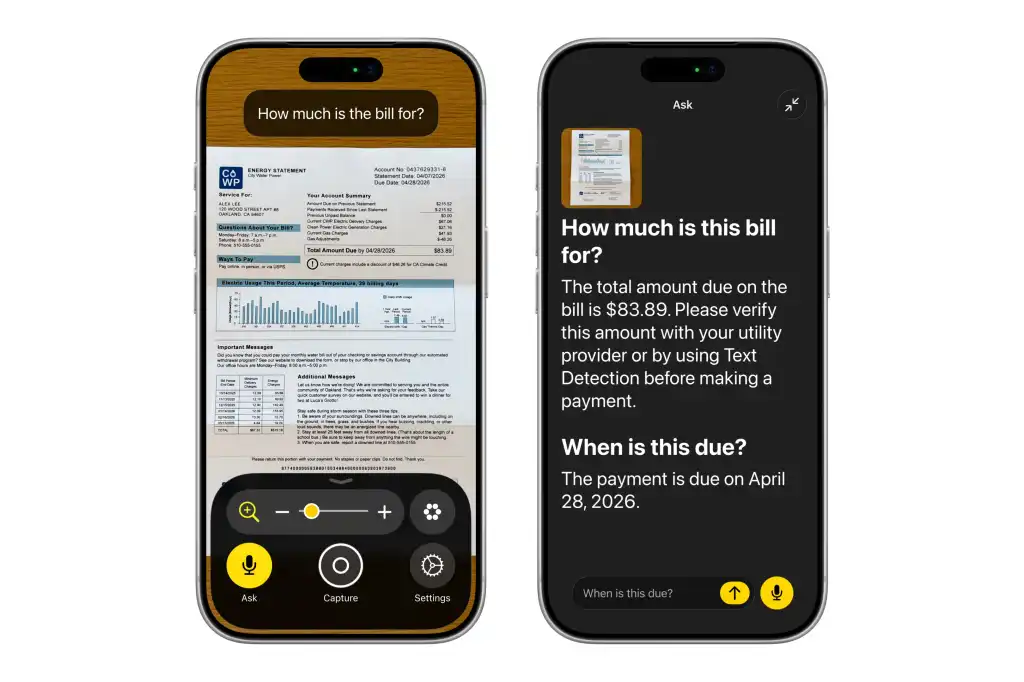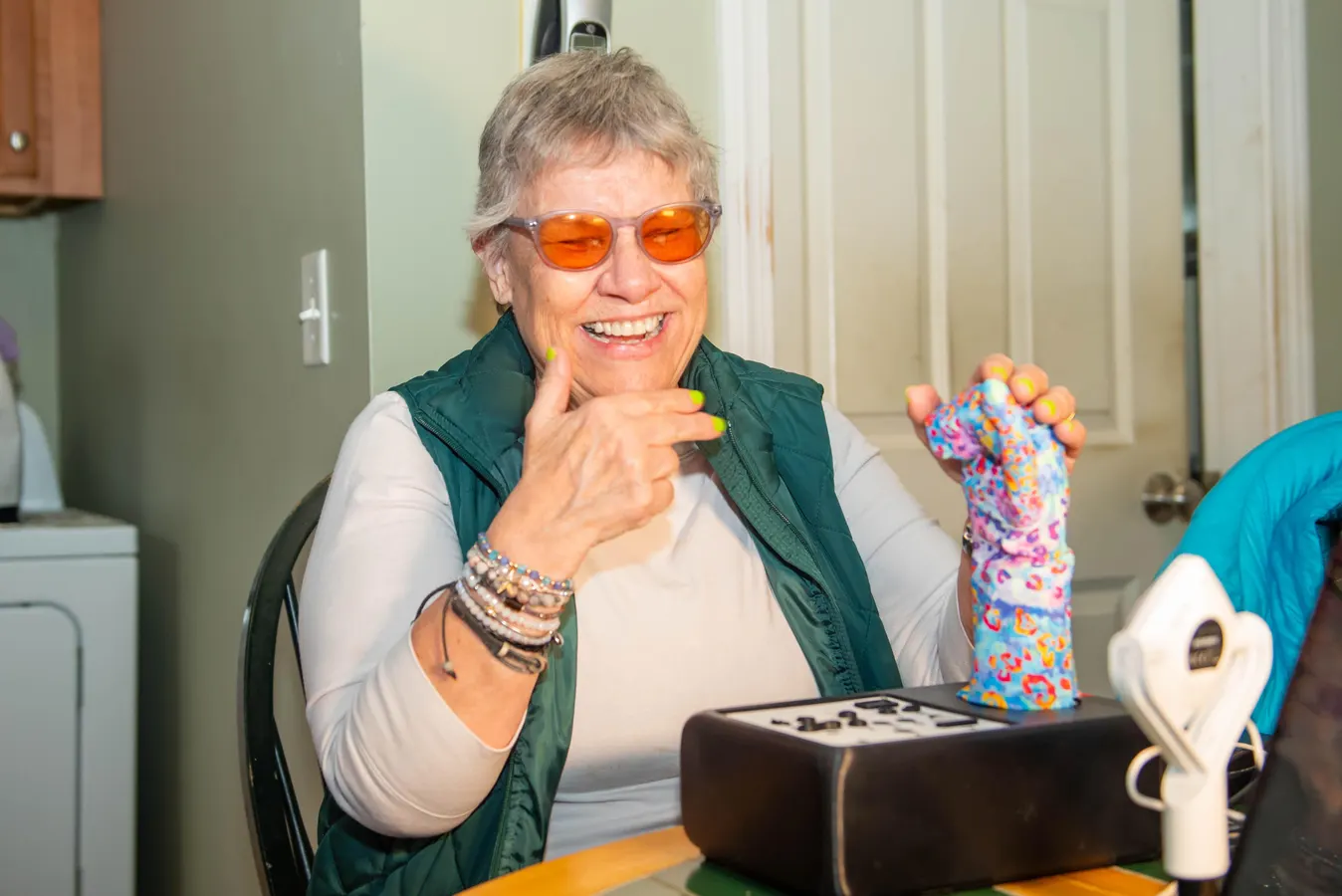
Steffy McQuiggin, who is deaf-blind, carries on a conversation using Tatum Robotics' AI-powered Tatum1, which turns written and spoken words into sign language deaf-blind individuals can feel with their hands.Tatum RoboticsYou search Amazon for a product: say, gourmet coffee. But instead of the robust, buttery blend you wanted, you’re served with “1-48 of over 100,000 results for ‘coffee’.” You gamely tick some filters and click a few product pages, but after a few minutes, you give up and hit the nearest Starbucks.For people with limited vision or certain types of autism, that sense of overwhelm is even more dramatic. Enter AI.Return to the site and Amazon’s Help Me Decide button can pop up, offering the best 2-3 choices based on your previous purchases and clicks, what other people similar to you liked, relevant reviews and more. AI also powers Amazon’s Dialog Boost option, which helps the hearing-impaired (and anyone else) better understand what characters are saying when those loud action-movie sound effects go boom. And AI helped to build the underlying voice models for Kindle Assistive Reader, which reads all Kindle ebooks aloud while a highlight follows the text, used by people who prefer to absorb information with multiple modalities, parents teaching their children to read—and the blind.”AI is actually the first thing that really, truly has the potential to tip the scales in the way we think about equitable experiences for people with disabilities,” says JoAnna Hansen, Amazon’s director of Experience Quality Technologies. ”It comes with a lot of risk. We have to be very thoughtful about how we do it. But it levels the playing field.”Part of the global artificial intelligence boom derives from how it creates ultra-personalized interactions (some might call relationships) with technologies and products. For people with disabilities, from mobility and sensory limitations to cognitive and limb differences—meaning about one-sixth of the world’s population—the impact can be even more dramatic, since that level of personalization often addresses individual accessibility needs out of the box and then, even more significantly, improves upon itself over time.Trailblazing use of AI is all over the Forbes Accessibility 200, our second-annual list that highlights the top innovators and impact-makers in the field of accessibility. Based on more than 700 interviews and conversations with industry experts, as well as input from an expert advisory board, the list includes giant corporations such as Amazon and Wal-Mart, startups seeking early rounds of funding, and individuals such as model Bri Scalesse and MIT researcher Hugh Herr.Listees’ impact is often rooted in AI, both in big conglomerates and smaller companies such as Tatum Robotics, an Accessibility 100 listee which uses AI and robots to serve deaf-blind customers by translating both words and images into tactile sign language.The more personalized an experience can be, the more it can adapt to anyone’s individual needs. You don’t have to disclose your ability differences or personal health information, and no one needs to write specialized programming just for you. Instead, products just work for you. With more than half of all U.S. companies deploying AI in their operations, that’s a lot of opportunities for accessibility.Neil Barnett, Microsoft’s Chief Accessibility Officer, says that creating features to address various disabilities has always been core to the company’s products—and that it’s never been easier by integrating AI. In another example of ultra-personalization, tools like Copilot allow people to “translate” materials they consume for their jobs and entertainment in a different tone, reading level or even medium, turning paragraphs of text into charts or graphics for those who absorb information differently.“AI is moving so fast,” he says. “I think what gets me excited is that it’s going to be a lot easier to just make accessible, easy-to-use products out of the gate.”One focus for Microsoft is ensuring that its tools (and the large language models behind them) are inclusive. The company works with many partners also on the Accessibility 200 list. One is Be My Eyes, which powers smart glasses such as the Ray-Ban Meta with the ability to record video and livestream it to volunteers who can help the blind navigate or interpret what’s in front of them. Microsoft has fed more that 20 million hours of Be My Eyes video into the databases used by its AI to accurately depict experiences and craft assistance for blind and low-vision users.Working with the University of Illinois-Champaign’s Speech Accessibility Project (another AI 200 lister) gives Microsoft access to huge, unique datasets of people whose speech sounds different due to anything from stuttering to Parkinson’s to deafness, allowing voice-controlled AI agents to better understand everyone.Tatum Robotics allows deaf-blind individuals to experience others’ speech through a robotic hand that interprets voices from phone calls or audio or written text from websites and then translates those words into language signed by the hand itself, right in the user’s palm, so they can feel the words.One challenge, however, is that American Sign Language is not just the movement of hands but the translators’ facial expressions. Tatum’s systems use AI to help translate fast-talking Americans and Canadians, as well as news media articles and other internet content, into physical, feelable, tactile sign. It’s the first technology of its kind and requires staggering amounts of data that don’t always come easily, and in many cases don’t exist yet.“We’re trying to train models on our data, on information we have, but also using things that AI knows how to do well,” founder Samantha Johnson says. “We previously asked for [it to provide] information at different reading levels, but it’s not that a deaf-blind person is in the fourth grade. They just don’t need the complicated English verbiage. So that’s been tricky to understand, how to use these models that are not designed for accessibility, and not designed for people with deaf-blindness, to support our population. ASL is not English. A lot of American Sign Language datasets are not public or they’re not being trained.”“People have been left out of technology for so long,” Johnson continues. “This AI is new, and they get to be a part of it now, not when it’s 30 years old and nobody is super excited any more. They get to be part of it the same day as people without disabilities. It’s exciting.”MethodologyFor the purposes of this list, “Accessibility” is defined as products, software and services that allow people with disabilities to have equitable access to information, content, public spaces, employment and life experiences. Disability areas where listmakers are creating impact include sensory, mobility and neurodivergence; their impact areas include digital accessibility, physical accessibility and accessibility to experiences. For the complete rundown of how we made the list, along with our expert, 12-member advisory board, our methodology synopsis is here.As with all Forbes lists, companies do not pay any fee to be considered or selected. For questions about this list, contact accessibilitylist [at] Forbes.com.Forbes | Accessibility 200, 2026Forbes
Meet The Accessibility 200—And Their AI Tools
Forbes' annual list of honorees for companies making the most impact in the lives of those with disabilities, many using AI.
1,142 words~5 min read