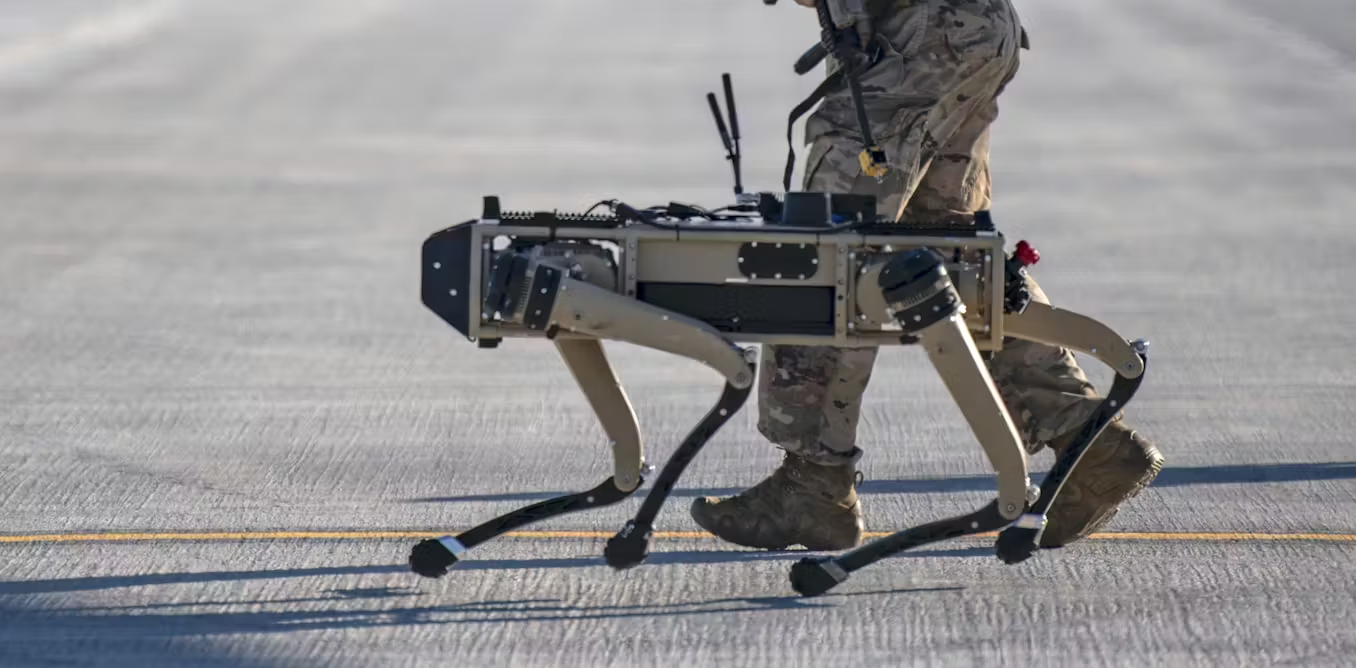
The third in a series of military AI summits was held in La Coruña, Spain in February 2026. The aim of the meeting was to convert previously agreed principles on the military use of AI into action. The summit was attended by government officials, military personnel, representatives from industry and researchers from thinktanks.
The goal of many experts and policymakers in this area is to usher countries towards a regulatory framework on using machine intelligence in warfare. To this end, the latest Responsible AI in the Military Domain (REAIM) summit presented a non-binding commitment for countries to sign.
The REAIM agreement affirmed the need for human oversight of military AI systems, called for countries to carry out risk assessments and robust testing, and committed to transparency on how decisions are made when using AI in conflicts.
The reasoning behind such recommendations is sound. However, translating such a framework from plan to action faces multiple hurdles. Ultimately, less than half of the countries represented at this year’s REAIM summit signed the non-binding commitment.
To understand why, it’s instructive to look at what happened at the 80th UN General Assembly held in New York in December 2025. At the meeting, members of the assembly’s first committee voted overwhelmingly to approve two resolutions calling for greater international scrutiny of the risks from military uses of AI. However, the US and Russia notably opposed the resolutions.