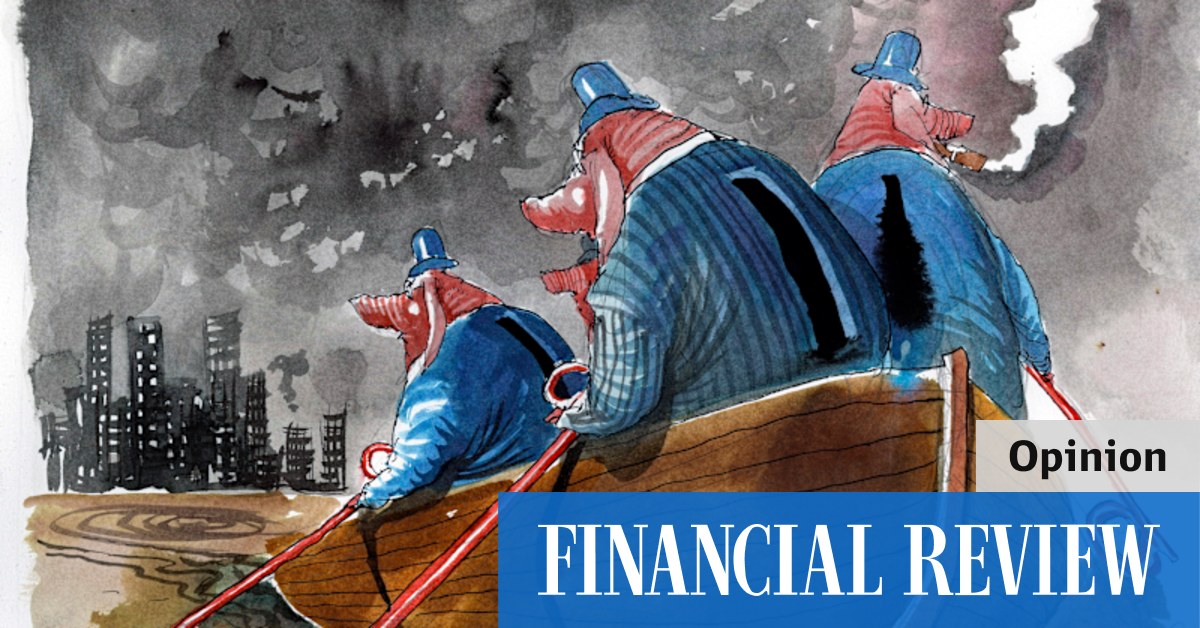
Harvard Business Review LogoElke VogelsangIt happens in every boardroom. Hours into a marathon meeting, the conversation on the critical strategy topics has not yet started, and that one director won’t stop circling around a minor issue no one else finds relevant. As discussions continue, the same director pushes back on every idea. Momentum stalls, focus blurs, energy dissipates, and frustration mounts. Good governance becomes harder than it needs to be.A version of this article appeared in the May–June 2026 issue of Harvard Business Review.
Managing Difficult Directors
Boards often struggle not because of strategy or information gaps but because one director’s behavior disrupts how the group works. There are three main types of difficult directors: passive passengers (who remain silent), dominators (who crowd out other perspectives), and misguided experts (who mire the board in details). Although the behaviors differ, their impact is similar: slower decisions, strained dynamics, and eroded trust. To deal with difficult directors, effective boards set explicit expectations and provide early and direct feedback. They also use structural and procedural levers such as agenda design and speaking order to steer participation productively. When problems persist, they escalate through formal governance processes, including peer feedback and, if necessary, leadership change.
84 words~1 min read