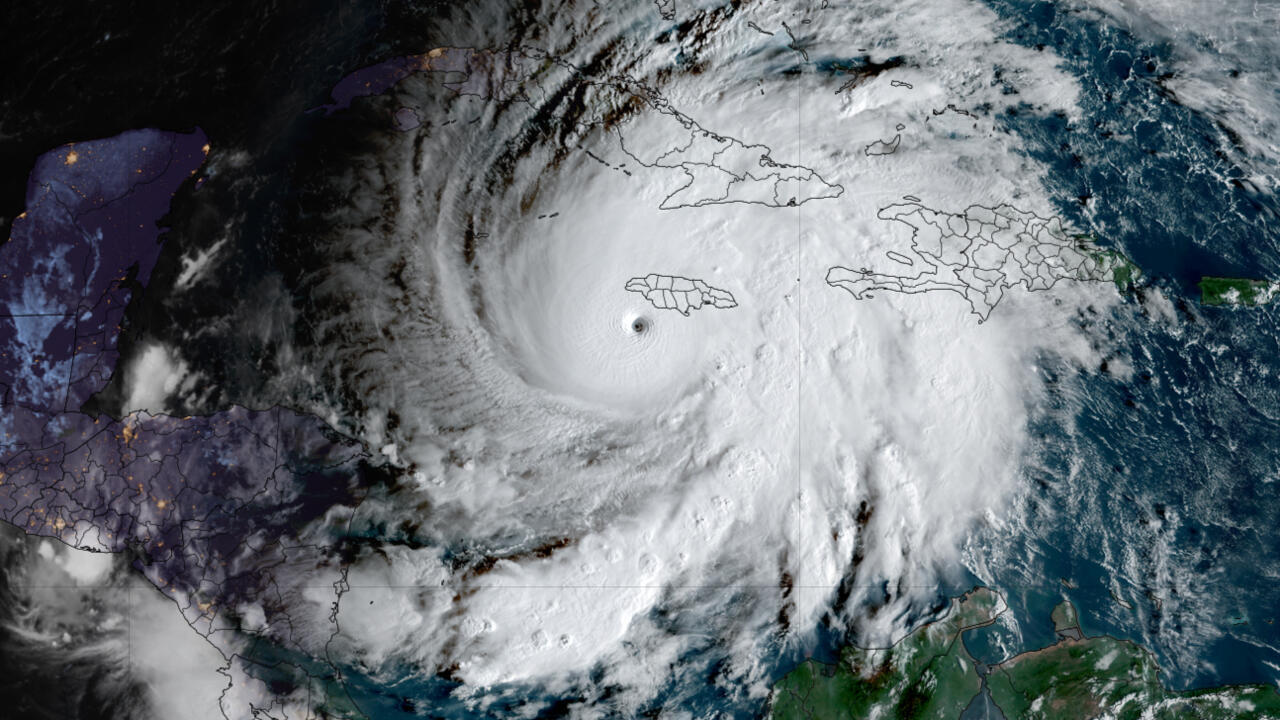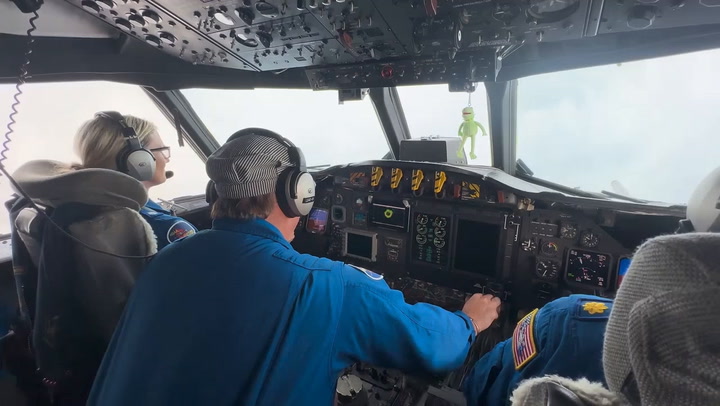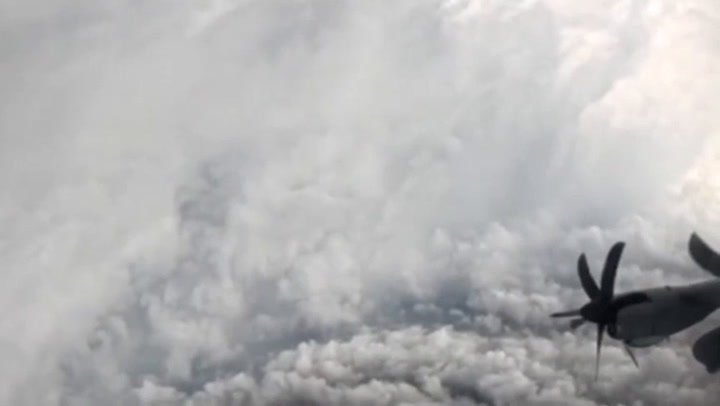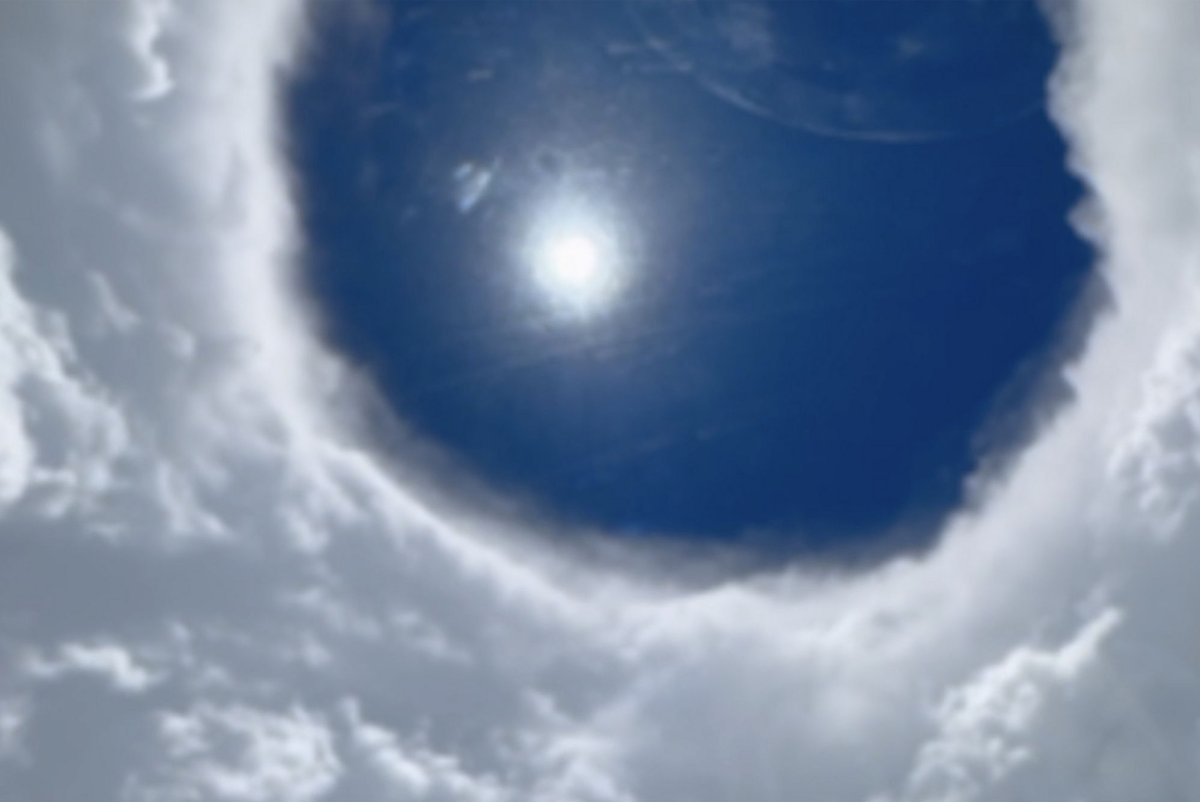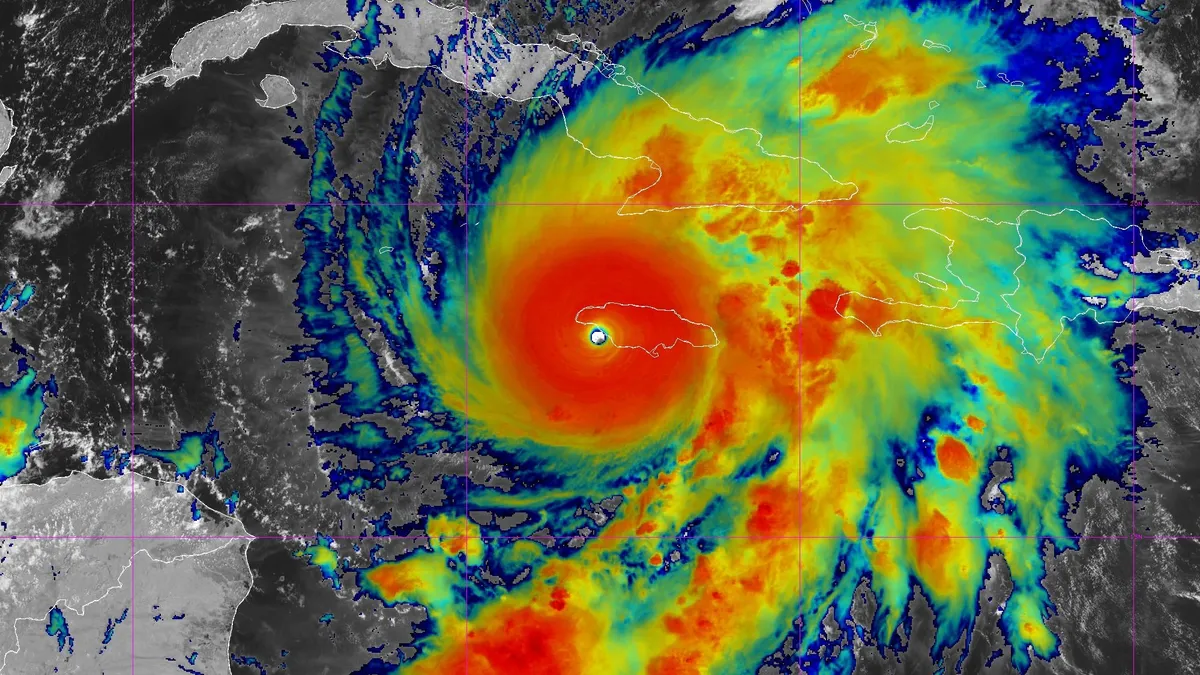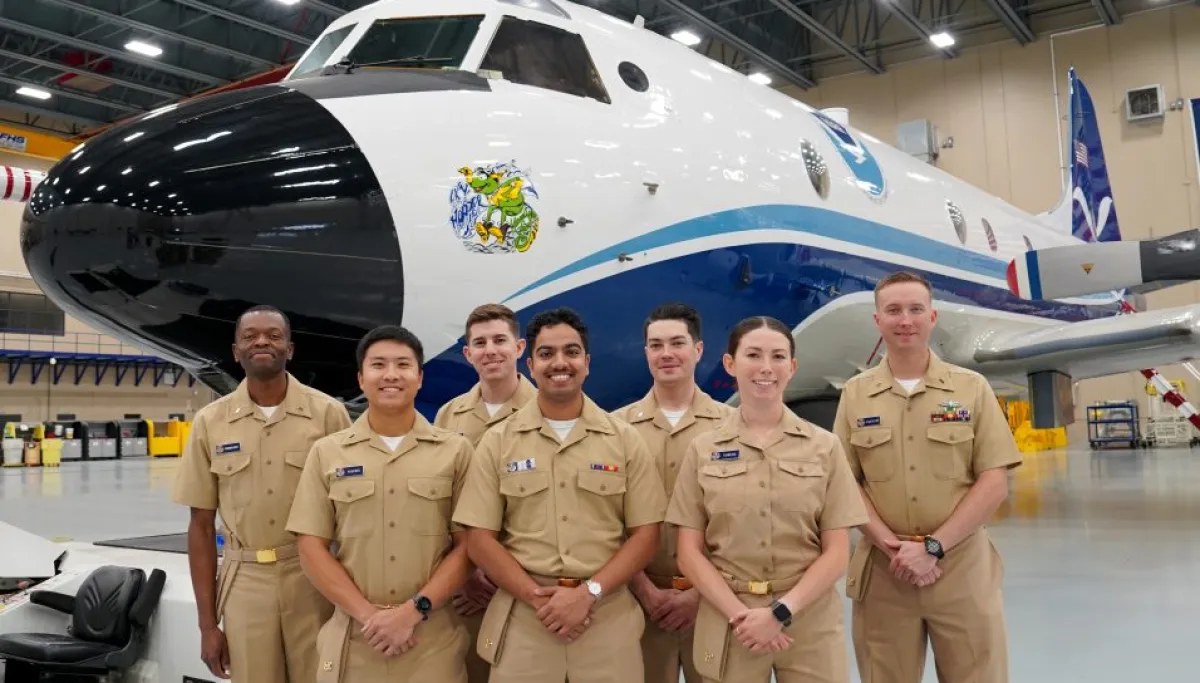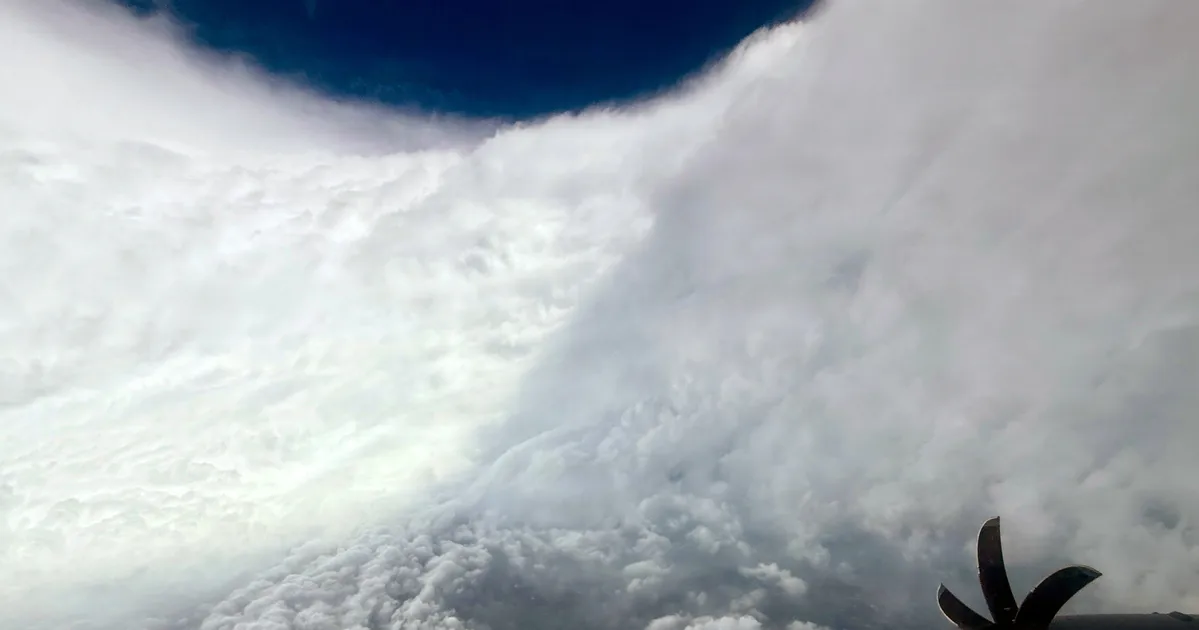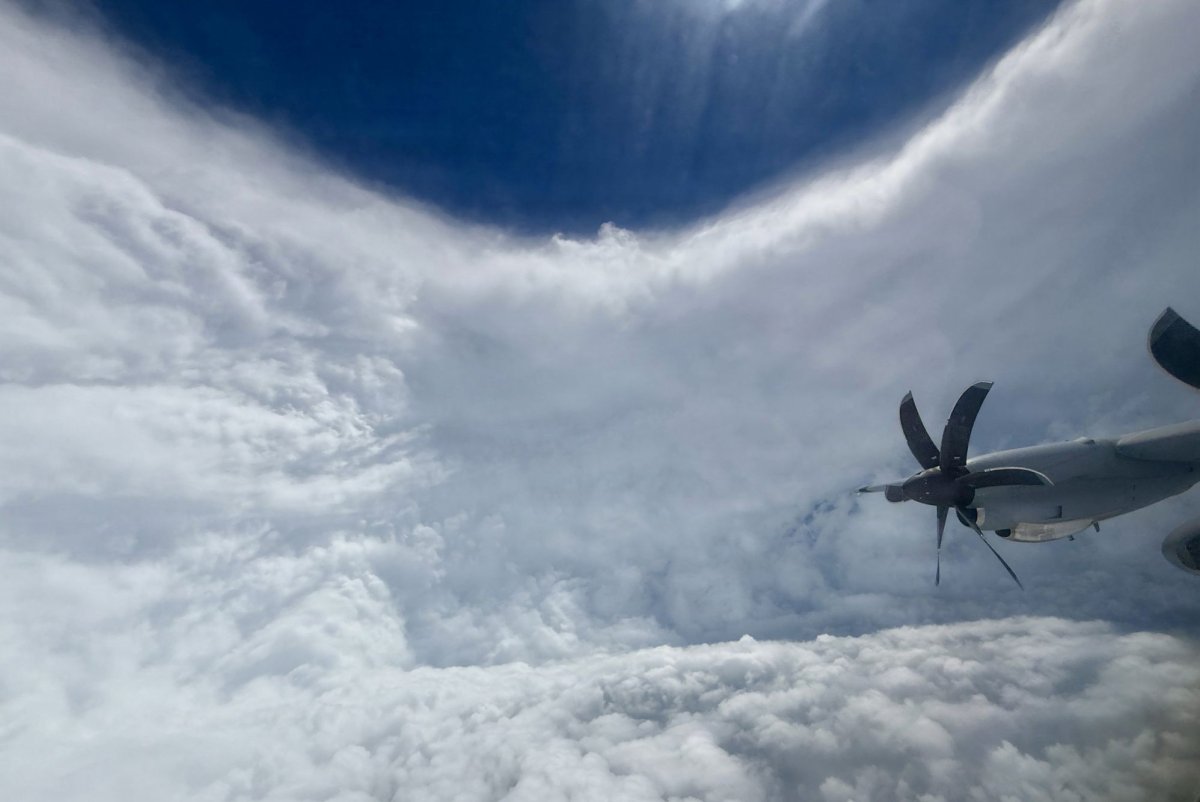
A U.S. Air Force Reserve crew from the 53rd Weather Reconnaissance Squadron, known as the "Hurricane Hunters," flies through Hurricane Melissa in October 2025. The photo, taken by Lt. Col. Mark Withee, a navigator with the 53rd WRS, shows the crew making a pass through the storm to collect vital weather data for the National Hurricane Center. File Photo by Lt. Col. Mark Withee/U.S. Air Force/UPI | License Photo
The 2026 Atlantic hurricane season starts June 1, and while a developing El Niño might result in a tamer season than in the past few years, all it takes is one big storm hitting a populated area to make it a bad hurricane season.
Every year, Americans rely on accurate forecasts when hurricanes might be developing to know when to stock up on supplies, prepare for power outages or evacuate.
Those forecasts have improved dramatically in recent decades, but the improvements can't be taken for granted. Over the past year, federal funding cuts and job losses in the very programs that are helping make Americans safer from extreme weather threaten to stall progress and stretch forecasting resources to the breaking point.
I am an atmospheric scientist whose research focuses on hurricanes, including how and why they intensify or weaken. I also work with scientists at the National Atmospheric and Oceanic Administration, NOAA, to analyze observations collected by reconnaissance aircraft and evaluate computer model forecasts of hurricanes.