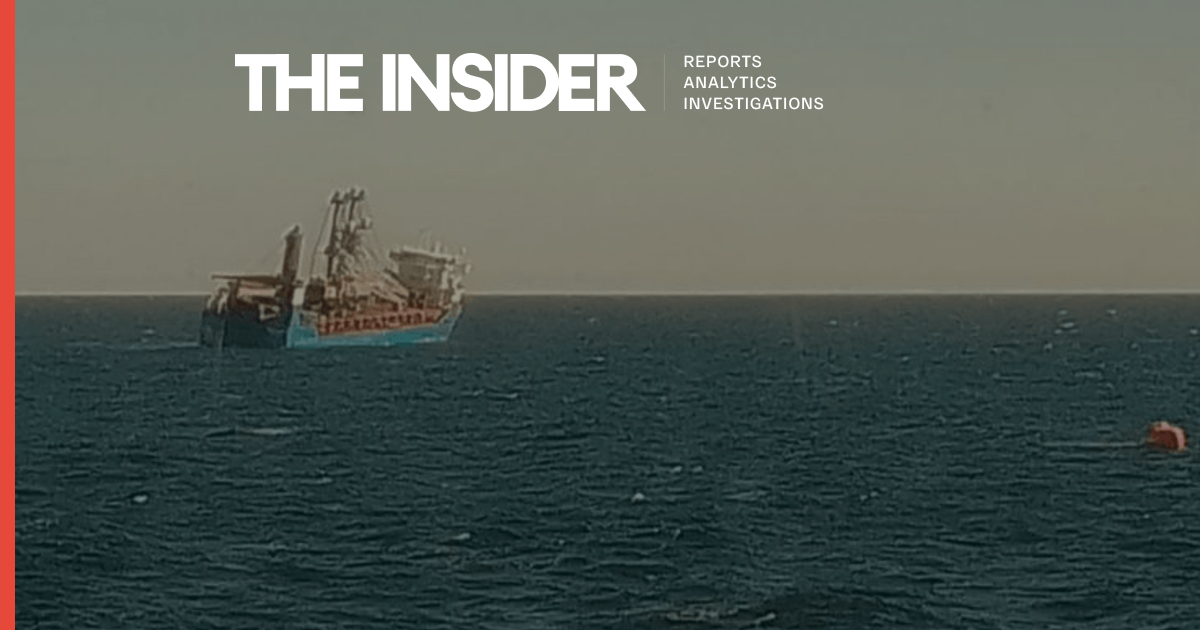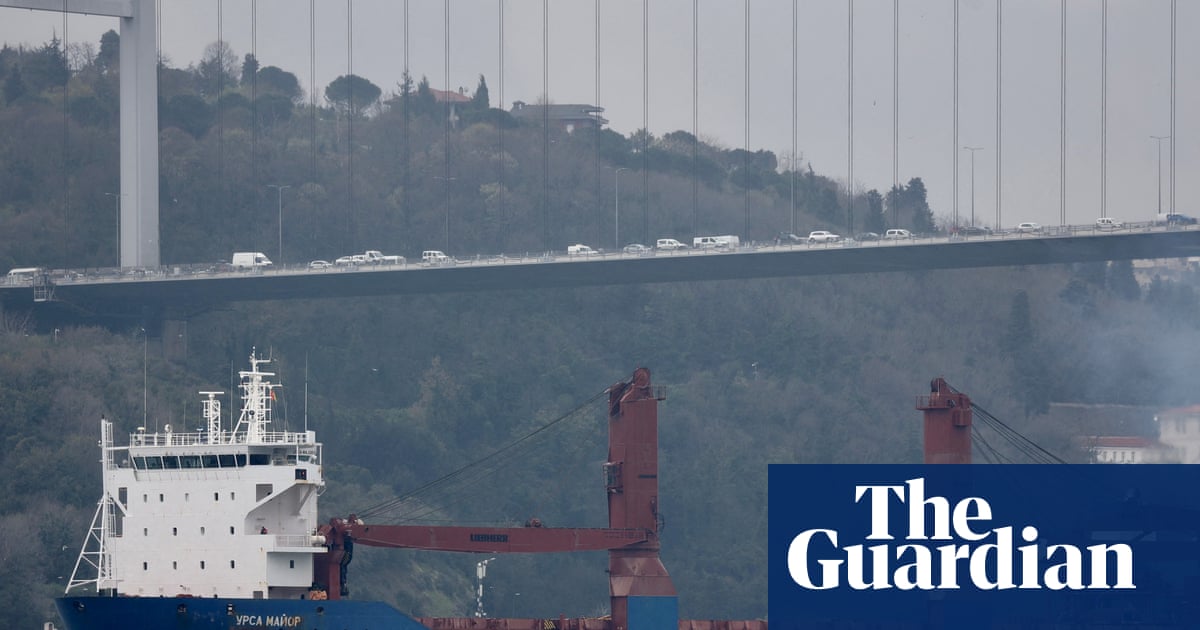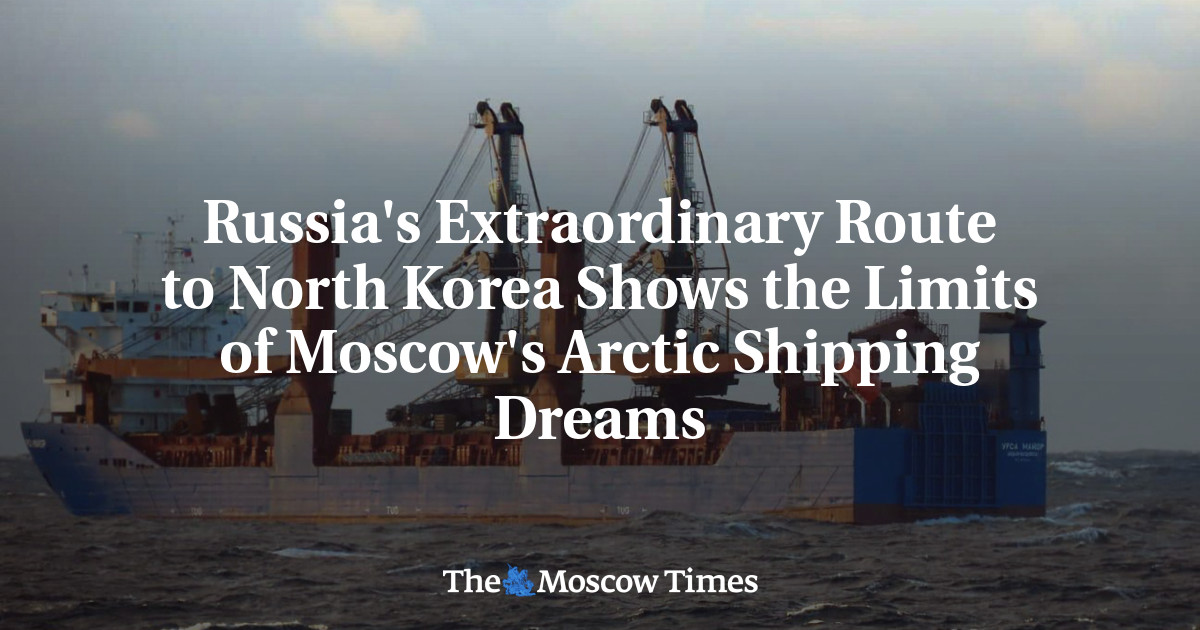
In December 2024, a Russian-flagged ship called the Ursa Major, whose itinerary claimed it would be sailing from St. Petersburg to Vladivostok, abruptly sank near Spain. This May, a new CNN report claims that the vessel was carrying submarine nuclear reactors destined for North Korea’s Rason port.
The incident naturally raised questions about what nuclear-related cargo Russia could be supplying North Korea with and the potential danger it poses. But its circuitous route through international waters to Russia’s Far Eastern border with the Hermit Kingdom — via Spain and the Suez Canal — raises questions about why a much shorter route along Russia’s arctic coast or even overland was out of the question.
The answer likely lies in some of Russia's own domestic infrastructure problems.
First, the incident reveals the ongoing difficulties in using the Northern Sea Route (NSR) as a reliable trade or security route, as it is largely unnavigable for stretches at a time. Although this varies with ice conditions and vessel capability, the seasonal window to navigate along the NSR is usually from late June to mid-November.
There is an increasing and dangerous trend of ships traversing the NSR unescorted and without ice-class certification, hoping for thinner sea ice and favorable conditions rather than investing in fortifying vessels. This leaves vessels vulnerable to highly changeable ice conditions.