Back when it was known simply as “Star Wars,” the movie that changed the world — and launched George Lucas’s ever-expanding universe of mythical sci-fi — seemed as born for the big screen as any movie of its era. “Star Wars” said to its fans: Here’s a swashbuckling Zen space opera of irresistible vastness — a world large enough to colonize your imagination. To do that, “Star Wars” needed to be epic, and was.
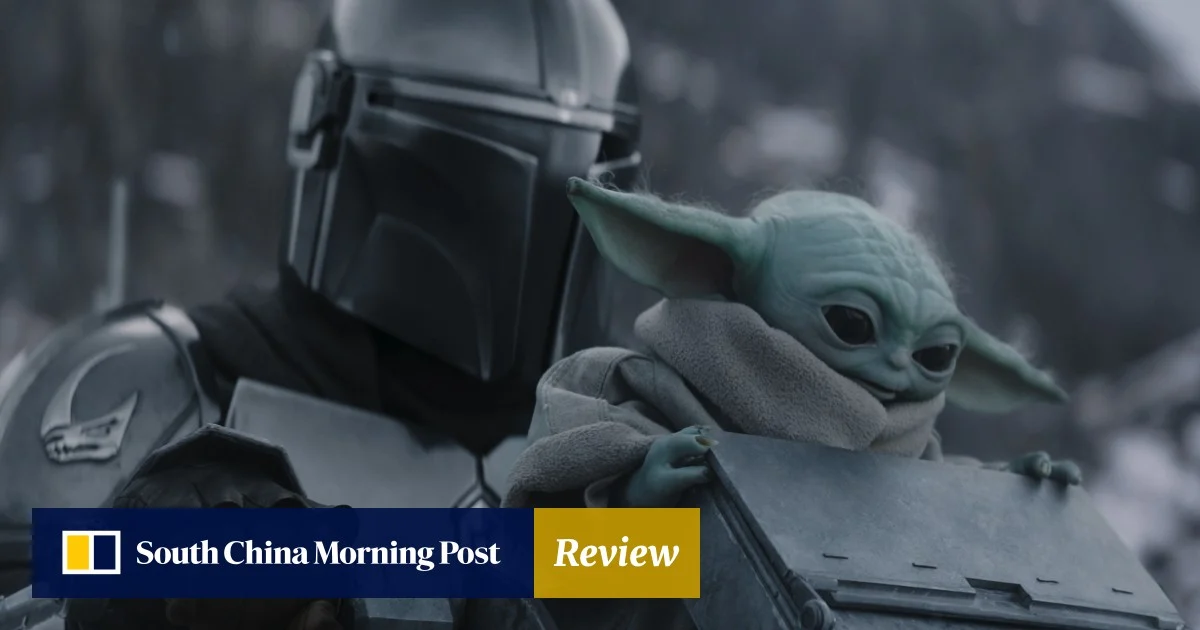
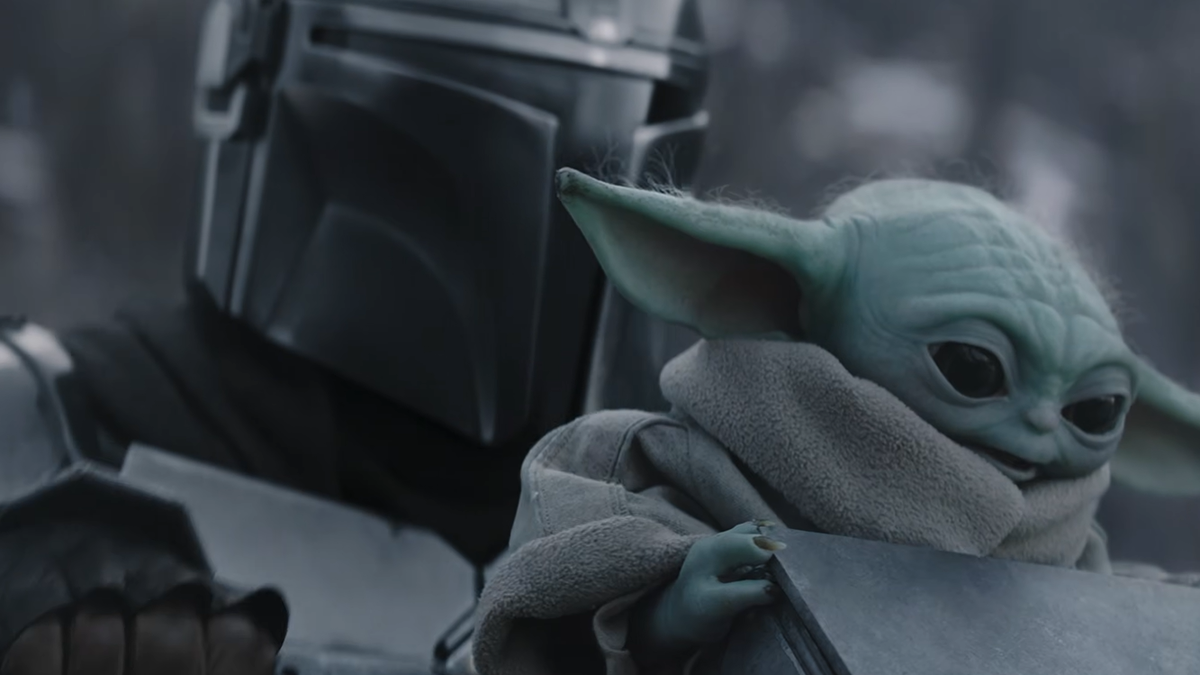
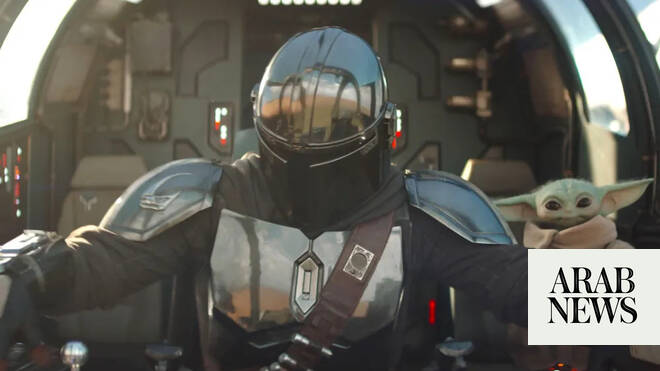
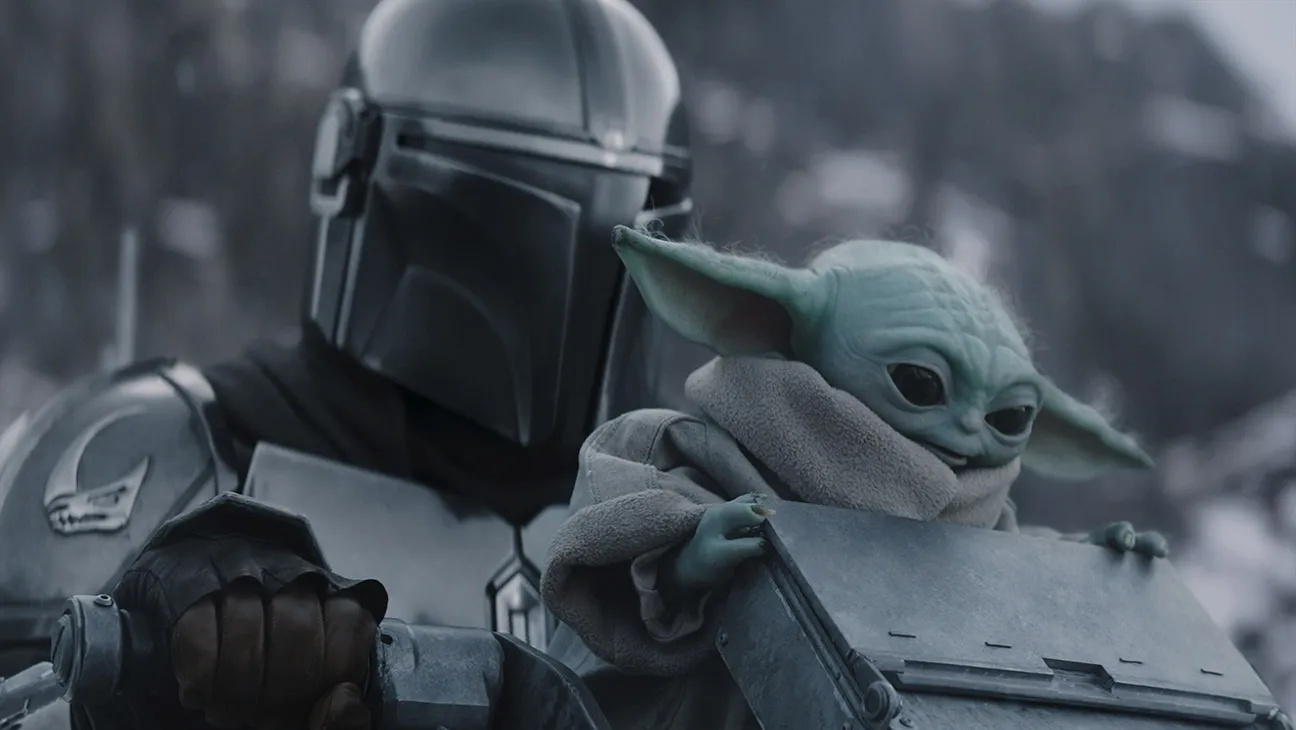
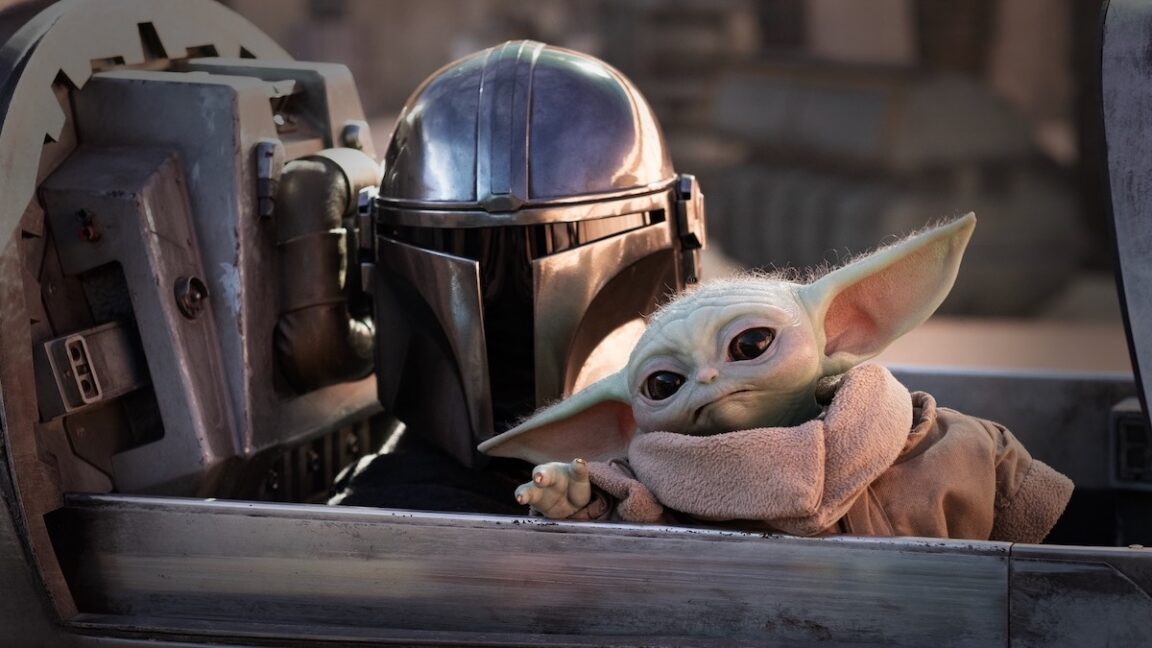
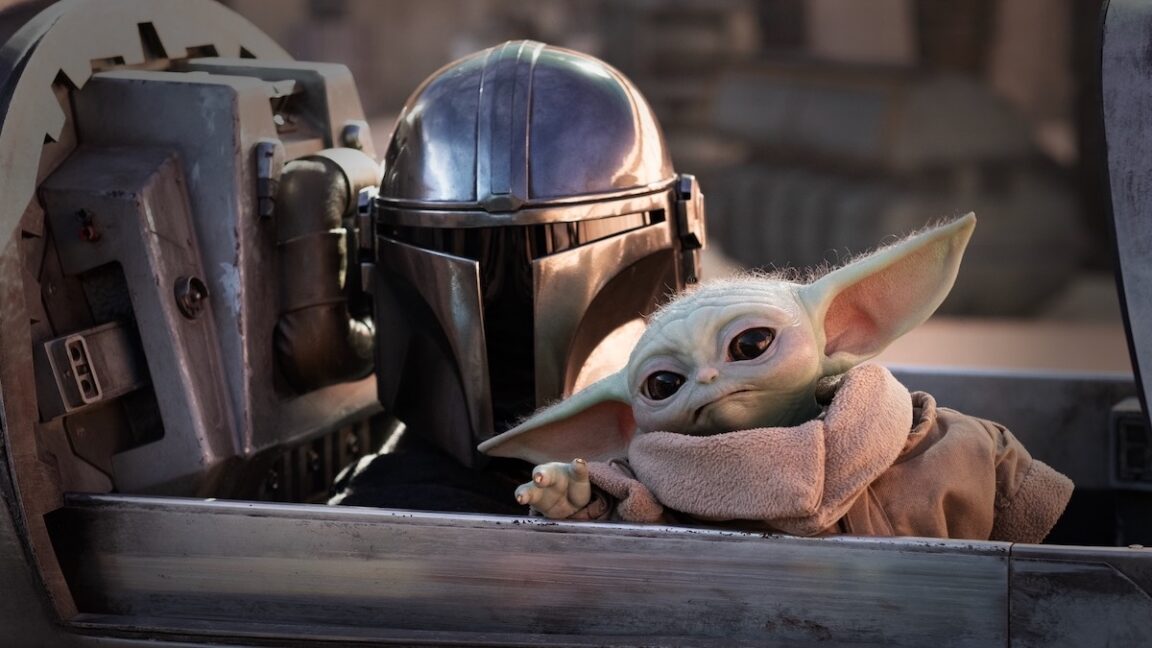
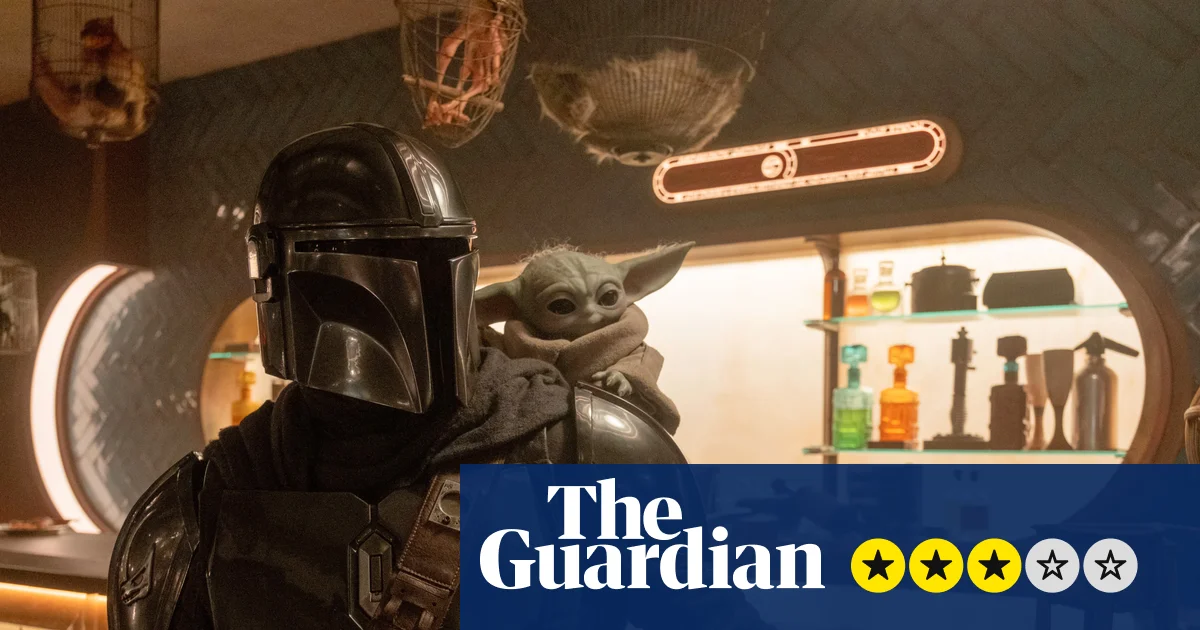
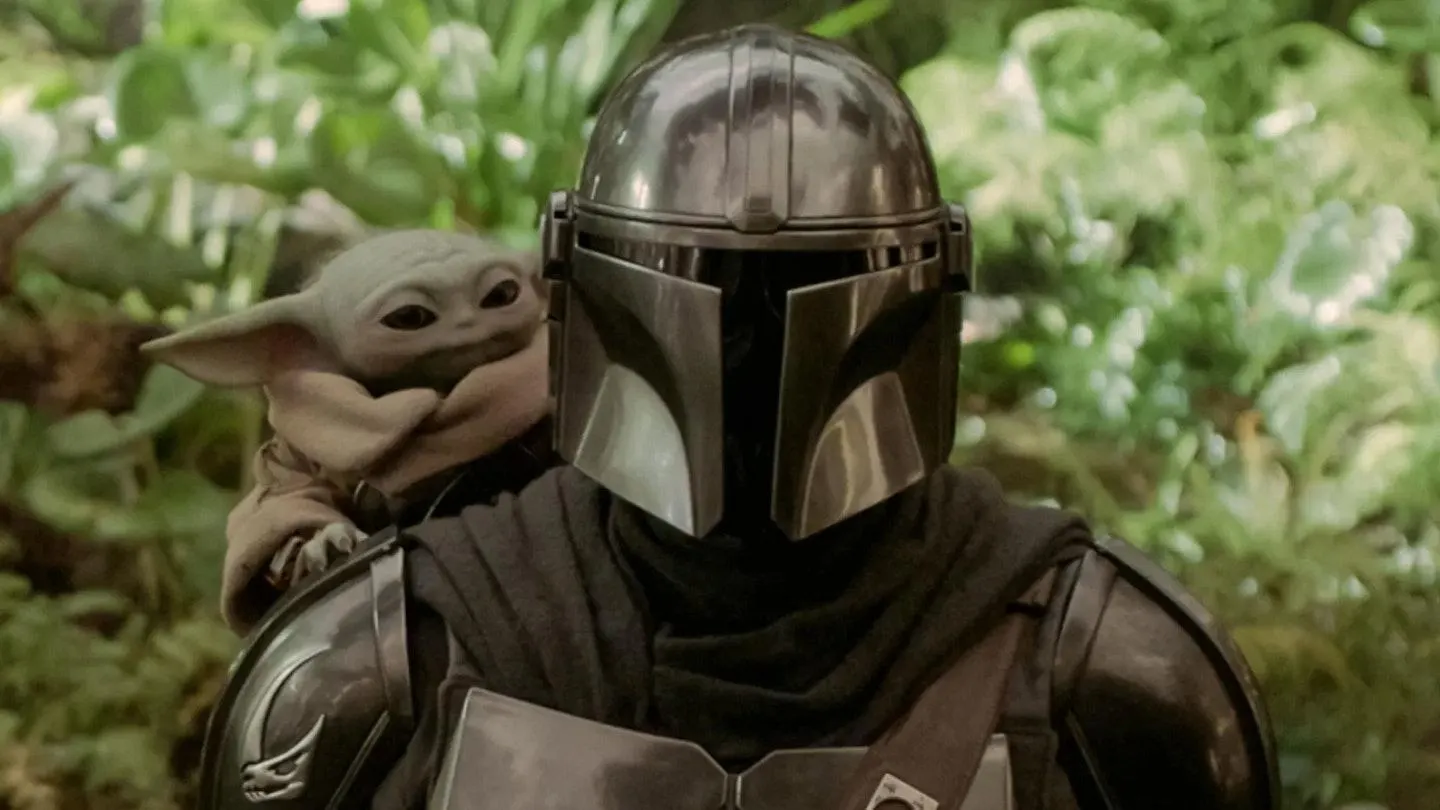
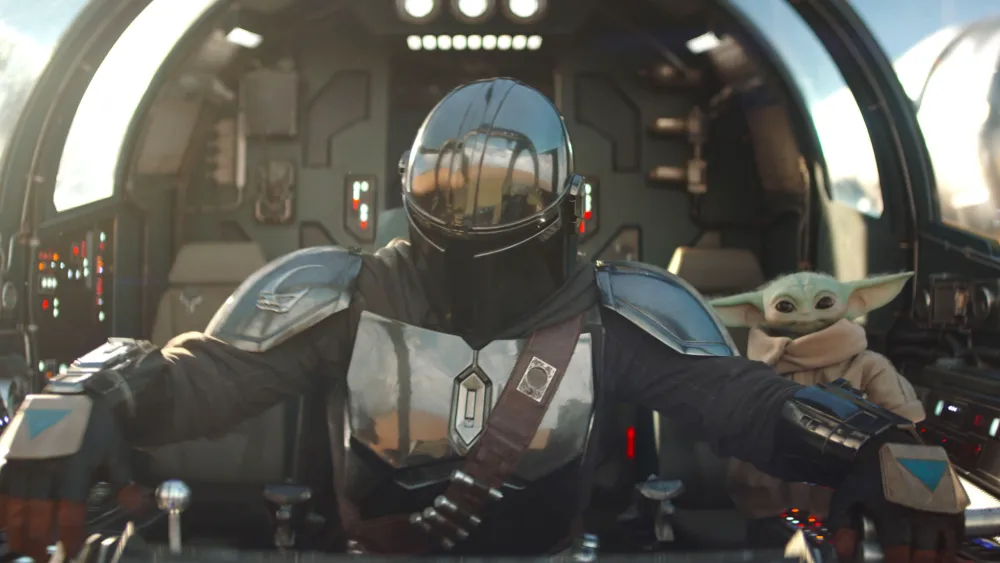
But by the time “The Mandalorian” came along, in 2019 (42 years after the original movie), the world of “Star Wars” had expanded to the point that in its very omnipresence, as well as its hyperactive digital-age busy-ness (a quality launched with “The Phantom Menace” in 1999), it felt larger than ever…and also smaller. More had become less. That’s why “The Mandalorian,” created by Jon Favreau as the “Star Wars” universe’s first live-action television series, was the perfect solution to what had become The “Star Wars” Problem.
The prequels, then the sequels, were all trying — oh, were they trying — to be true “Star Wars” movies. Yet the bar had been set impossibly high. A couple of the later films were all right, a number were not, to the point that the sound of fans fighting about them (“‘The Phantom Menace’ sucked!” “I felt the thrill again with ‘Revenge of the Sith’!” “‘The Force Awakens’ was chintzy fan service!” “‘The Last Jedi’ was great!” “No, it was a mess!” “‘The Rise of Skywalker’ was too woke!”) may have produced more dramatic sparks than anything in the films themselves. My own attitude always came down this: The “Star Wars” brand had become an industry — but none of these movies could ever truly recreate what “Star Wars” and “The Empire Strikes Back” had.