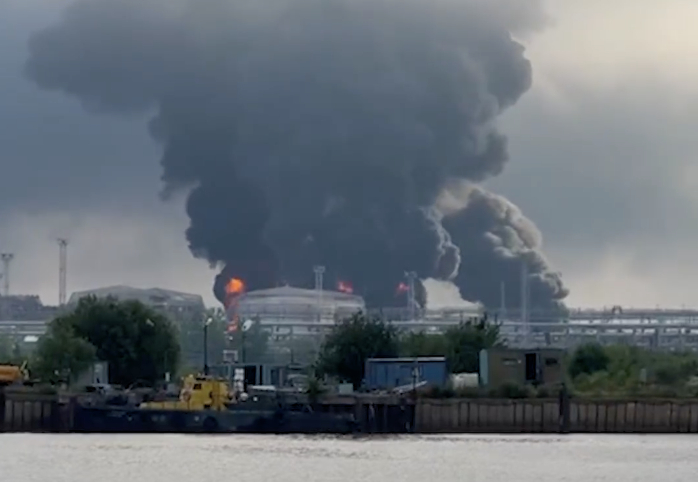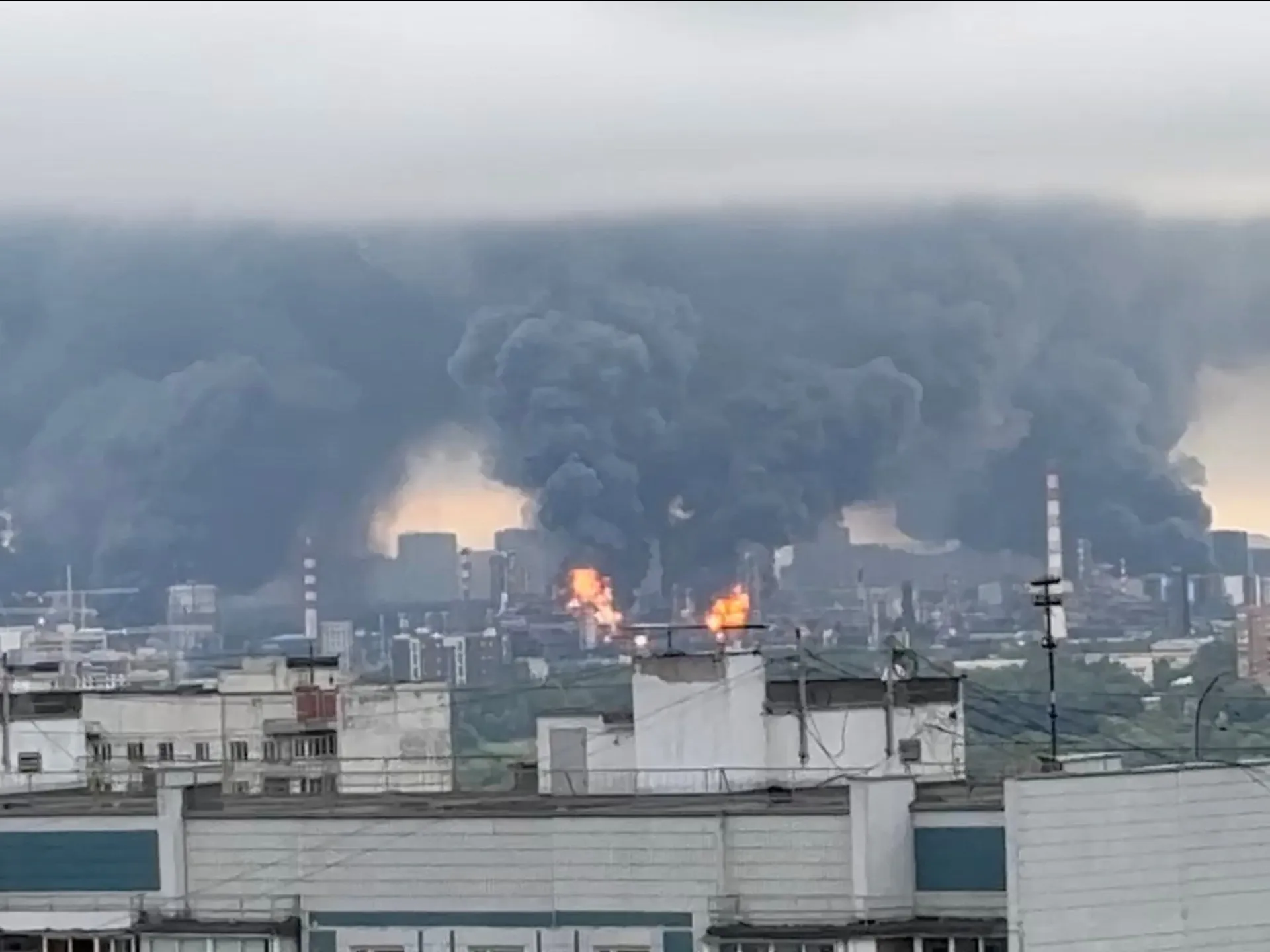
Ukraine continues to successfully apply long-range sanctions against Russia’s oil and gas infrastructure, which has become part of the Kremlin’s war machine. It fuels the war both directly — by providing fuel for aviation and other military equipment — and indirectly, through revenue flows into the Russian state budget.
Ukrinform discussed the situation in Russia’s oil and gas market, the impact of the war in Iran on global oil markets, and the political situation in the United States with American analyst Max Pyziur, Director of Downstream, Transportation Fuels, Natural Gas, and Electricity Projects at the Energy Policy Research Foundation.
THE SITUATION IS ALREADY BEING IMPAIRED IN RUSSIA AND IT SHOULD BE FURTHER DEGRADED
– Mr. Pyziur, let’s start with the main point: how have Ukrainian strikes reduced Russia’s oil production and exports?
– Well, certainly its refining sector and petroleum products exports have been impaired. There has been a shift in the balance: you have a decline in petroleum products exported from Russia, and an increase in available crude oil exports. For the most part, Russia processes its own crude oil domestically to produce petroleum products. So the overall export volume does not appear to have changed significantly — meaning crude oil plus petroleum products combined. It’s just that petroleum products exports have declined, while crude oil exports have increased.