Ukraine’s systematic strikes against Russia’s oil refining industry are already having a significant impact; however, restricting crude oil exports and curbing the activities of the shadow fleet remain crucial to Russia’s ability to finance the war.
This view was expressed in an interview with Ukrinform by Colonel Markus Reisner of the Austrian Armed Forces, head of the Officer Training Institute at the Theresian Military Academy.
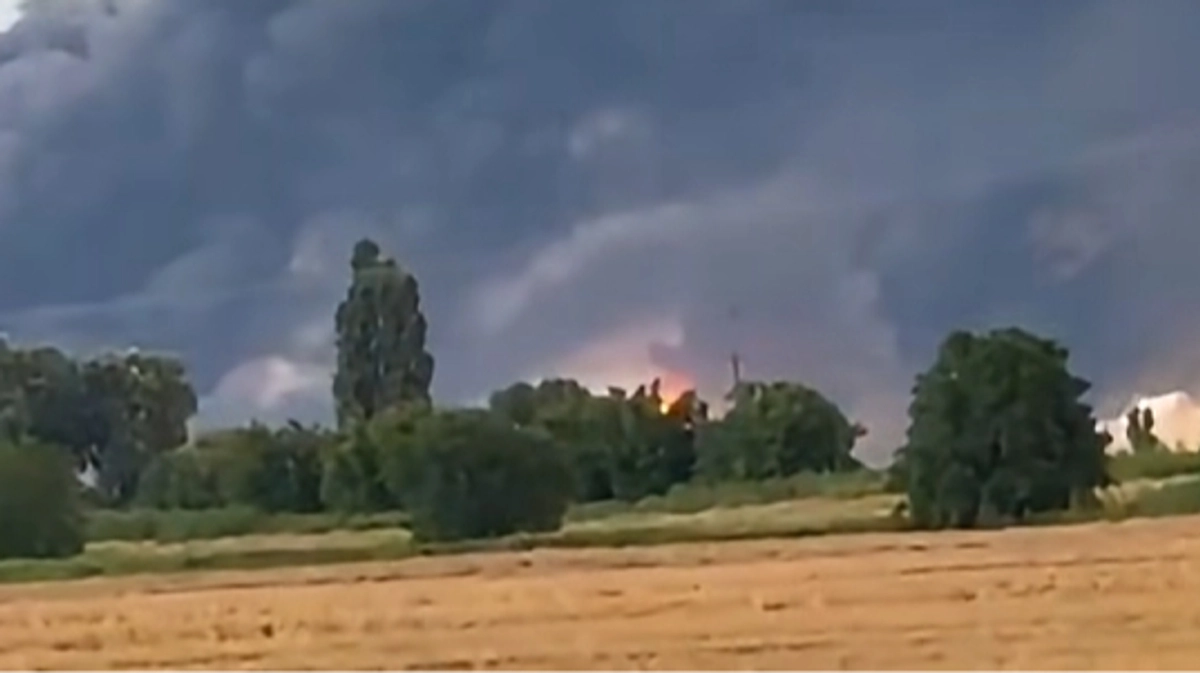
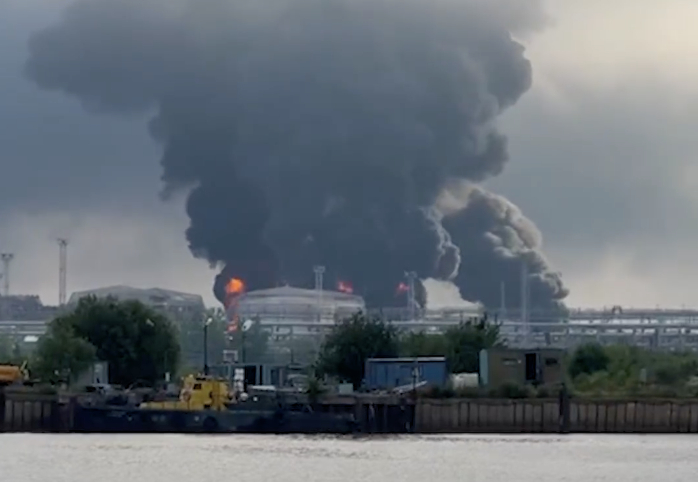
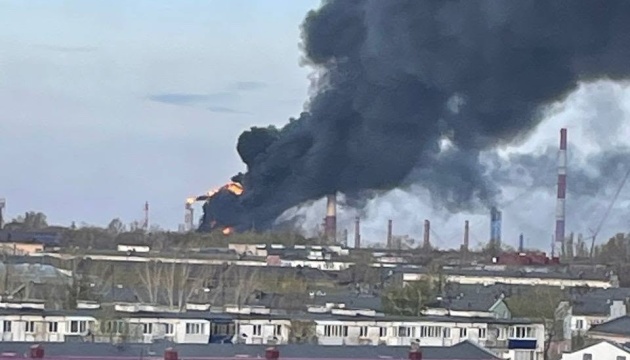
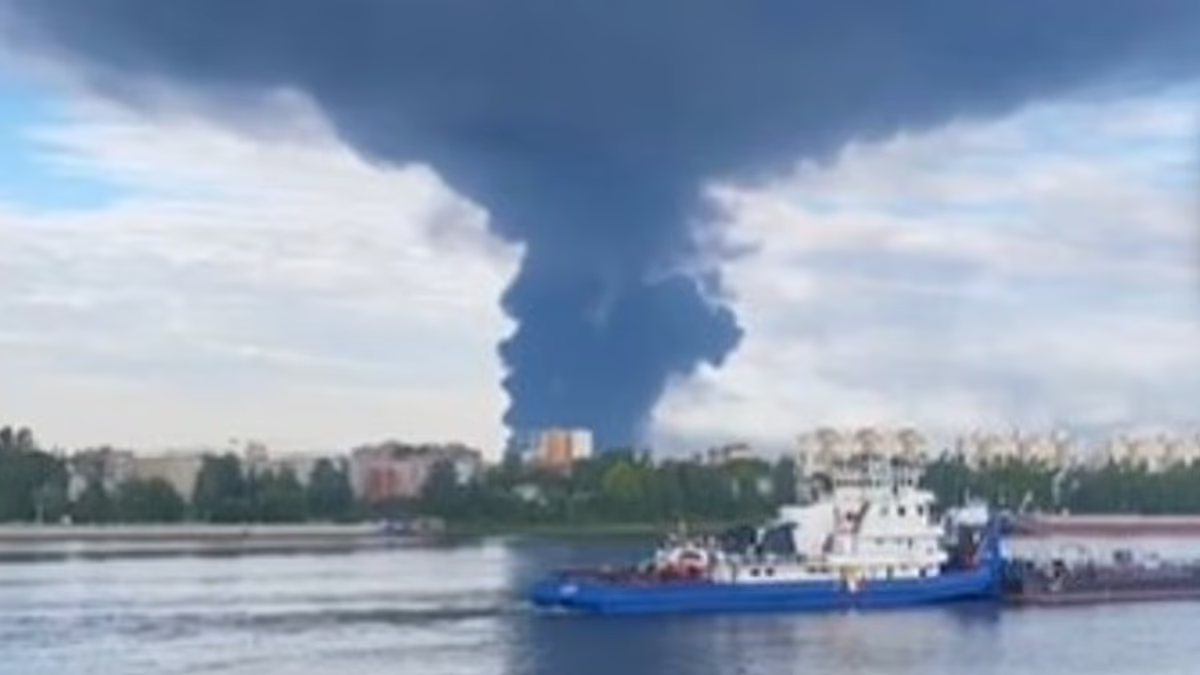
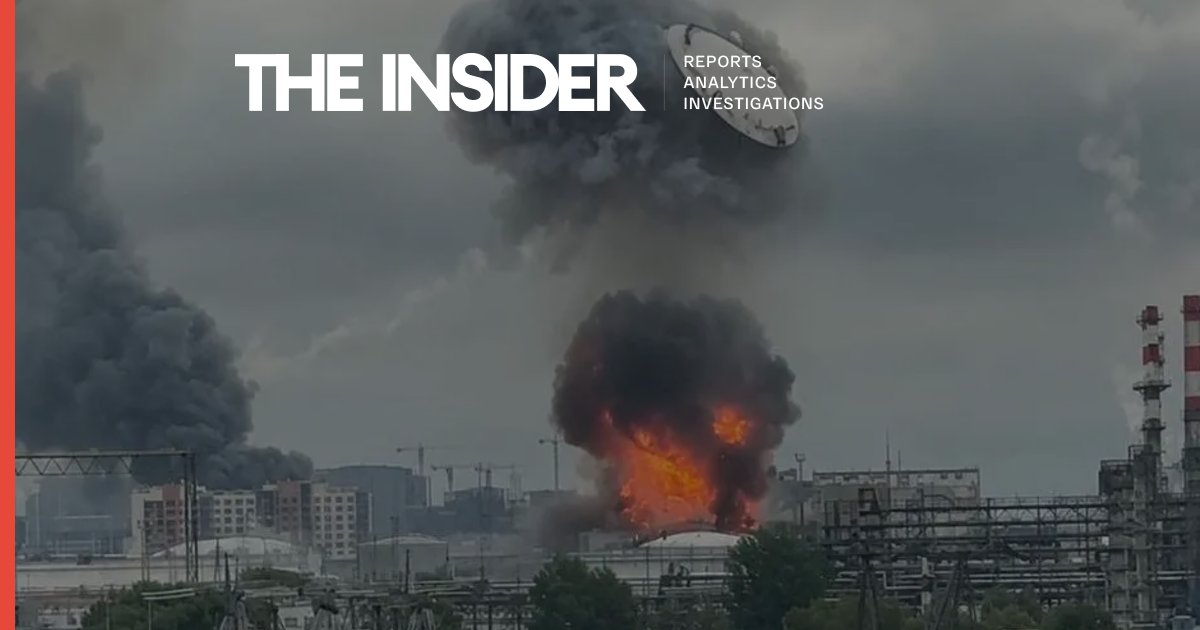
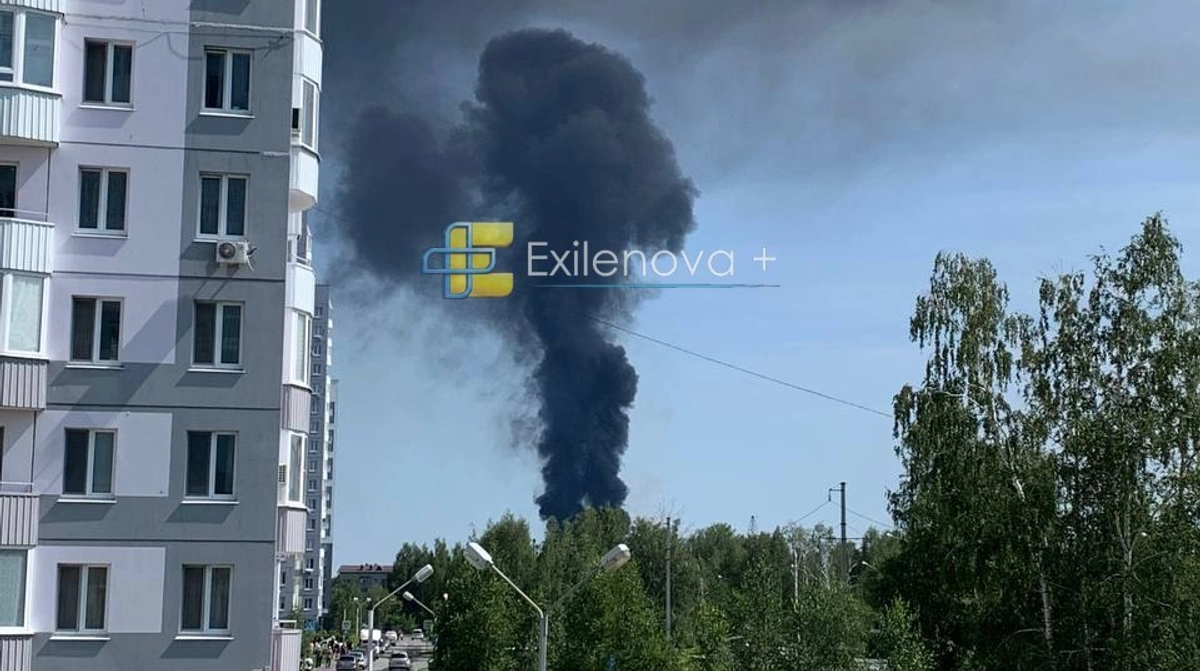
“Regarding the extent of the damage, I will cite a figure from the Ukrainian General Staff, which, in my opinion, is plausible. According to these data, between 43 and 45 percent of Russian oil refineries have been destroyed or damaged. This is a massive scale. Footage from social media also shows that Ukraine’s ‘long-range sanctions’—as the Ukrainians themselves call these strikes—are indeed yielding results,” Reisner said.
He emphasized the need to distinguish between strikes on facilities related to crude oil exports and damage to gasoline and diesel fuel production capacity.
“Crude oil continues to allow Russia to sell it on global markets. This is facilitated, among other things, by the crisis surrounding Iran, which has led to rising oil prices. Although Ukraine has focused on loading and unloading ports, such as Ust-Luga, and inflicted serious damage there, Russia is still able to export oil. “As long as this money flows into the Russian treasury, it remains available for the war economy,” the expert noted.