Washington —
Tension is building among the policymakers tasked with wrangling inflation as the economic effects of the US-Israeli war with Iran broaden.
When Federal Reserve officials convened on March 17-18, just a few weeks after the war broke out, Chair Jerome Powell said any effects on inflation would likely be temporary and could be contained within the energy industry, keeping the door open for at least one rate cut this year. At the time, Wall Street was also optimistic that Kevin Warsh, President Donald Trump’s pick to succeed Powell, would push for rate cuts, if he’s confirmed.
But the Iran war has dragged on since then, and is now in its tenth week. At the latest Fed meeting in late April, officials’ anxieties became much more apparent. Three officials dissented from the Fed’s latest policy statement, disagreeing with its “easing bias,” or the suggestion that rates may go lower.
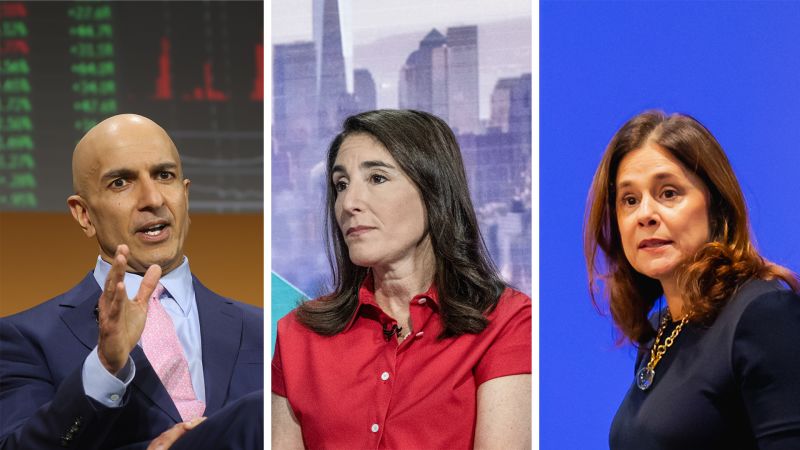
Those officials — Fed presidents Beth Hammack of Cleveland, Lorie Logan of Dallas and Neel Kashkari of Minneapolis — said in statements detailing their dissents that the Fed is not being forthcoming about the growing chances of a rate hike. And they’re likely not the only ones within the Fed’s 19-person rate-setting committee with those concerns, according to experts, since only 12 of them have voting power at a time.