ToplineThe Federal Reserve’s preferred inflation reading was better than expected in February, according to federal data released Thursday, likely steering the central bank toward yet another interest rate pause later this month as the broader economic impacts of the Iran war are still unknown. The Federal Reserve awaits reports on the economic impact of the Middle East conflict. Getty ImagesKey FactsAnnual inflation was 3% in February, down from 3.1% in January, according to core consumption expenditures index data reported Thursday by the Bureau of Economic Analysis. That fell just above consensus economist estimates of 2.9%, according to FactSet, and the Federal Reserve’s 2% target rate.Personal income, a measure of a household's total income from all sources, including benefits, wages and salaries, decreased by $18.2 billion (0.1%) in the month, below expectations for a monthly 0.4% increase.Headline PCE was 2.8% in February, matching analyst projections for inflation to settle at January’s growth rate.The Federal Reserve favors core PCE data over Consumer Price Index reports because policymakers can better understand how Americans spend their money and how spending habits shift or adapt over time.What To Watch ForThe Bureau of Labor Statistics will report Consumer Price Index data on Friday, providing some insight into how the Iran war disrupted consumer prices. Wall Street anticipates the CPI inflation rate to surge to 3.4% from 2.4%, and core CPI to rise to 2.7% from 2.5%. The agency previously reported an 11.1% increase in fuel oil prices from January to February, and it’s likely to increase even further after oil prices reached their highest level since 2022 in March.Big Number98.4%. Those are the odds the Federal Reserve votes to hold interest rates steady between 3.5% and 3.75% on April 29, according to CME’s FedWatch tool. The probability falls below 80% only once this year, dropping to 70.5% by December.Key BackgroundEconomists warned of a possible recession weeks into the Iran war, with several analysts pointing to an expected surge in inflation because of rising oil and gas prices. Fed Chair Jerome Powell and other central bank officials have repeatedly said it was too soon to know how the conflict impacted economic growth or inflation, and Powell said that without an improvement in inflation, “then you won’t see [an interest] rate cut.” Oil jumped and settled above $100 several times over the last month, then plunged on Wednesday to just over $91 after President Donald Trump announced a ceasefire deal. Fabien Yip, an analyst for IG, cautioned that traders have yet to receive an “all-clear signal” despite the ceasefire, and Goldman Sachs analyst Rich Privorotsky warned that ceasefires are “fragile by definition.” Further ReadingForbesKey Inflation Gauge Rose In January—As Interest Rate Cut Hopes DwindleBy Ty Roush
Key Inflation Measure Improved Before Iran War
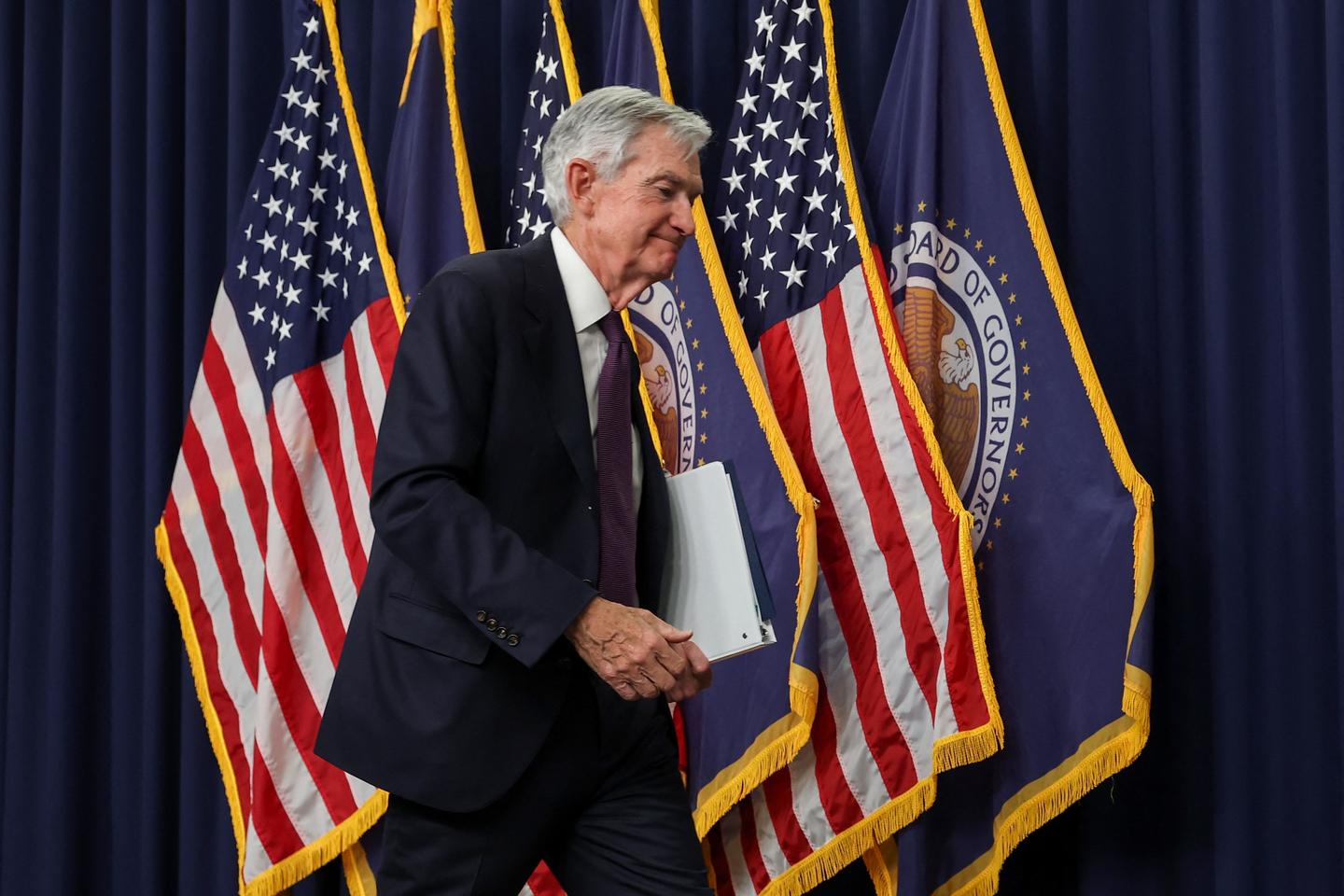
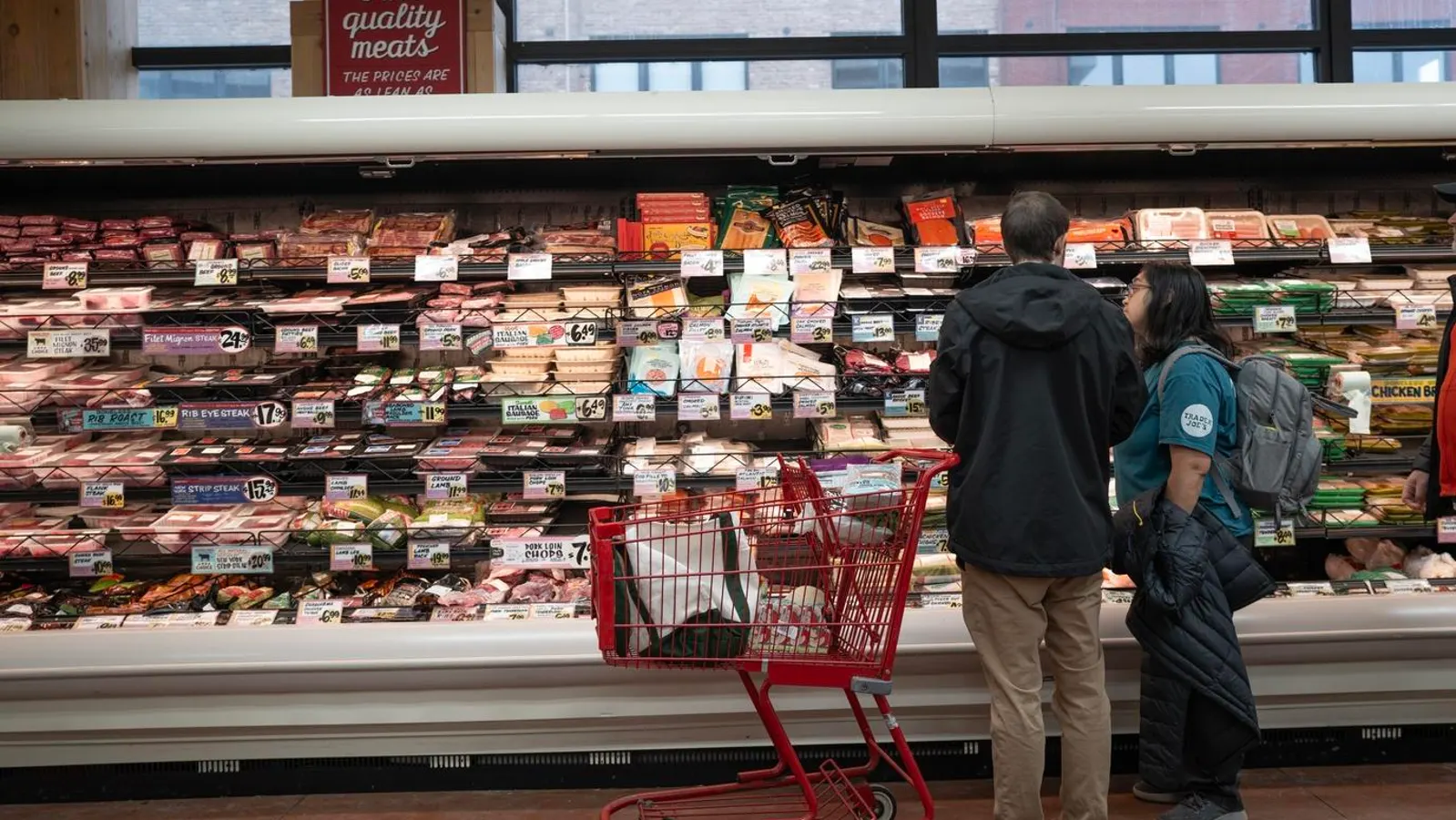
The Federal Reserve awaits reports on the economic impact of the Middle East conflict.
448 words~2 min read