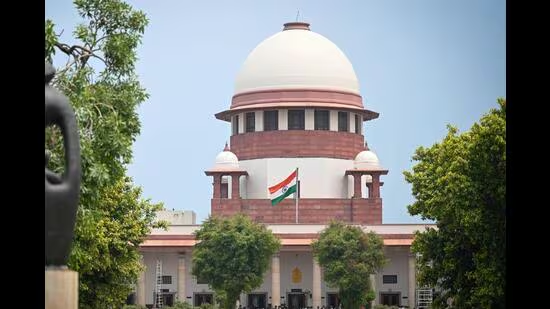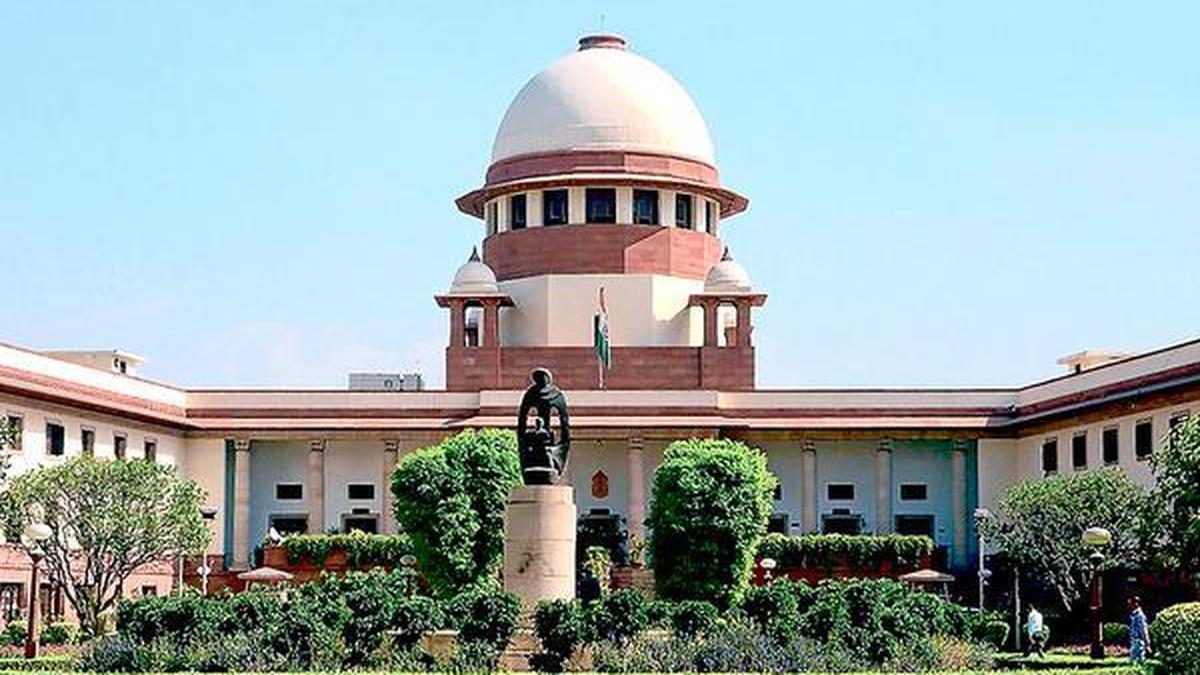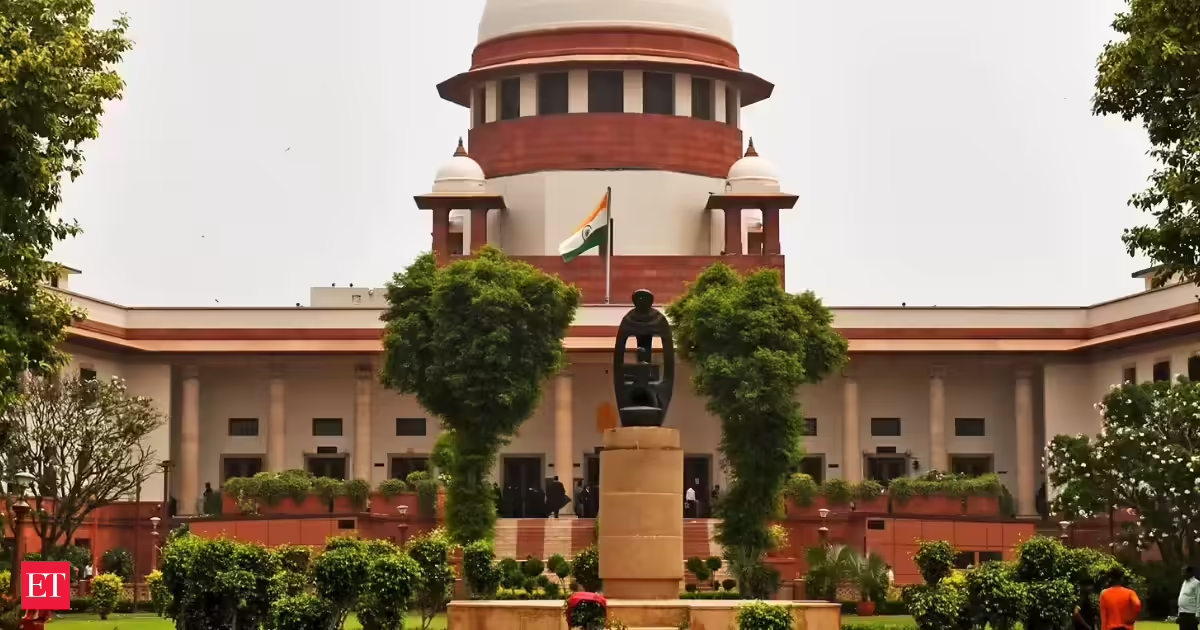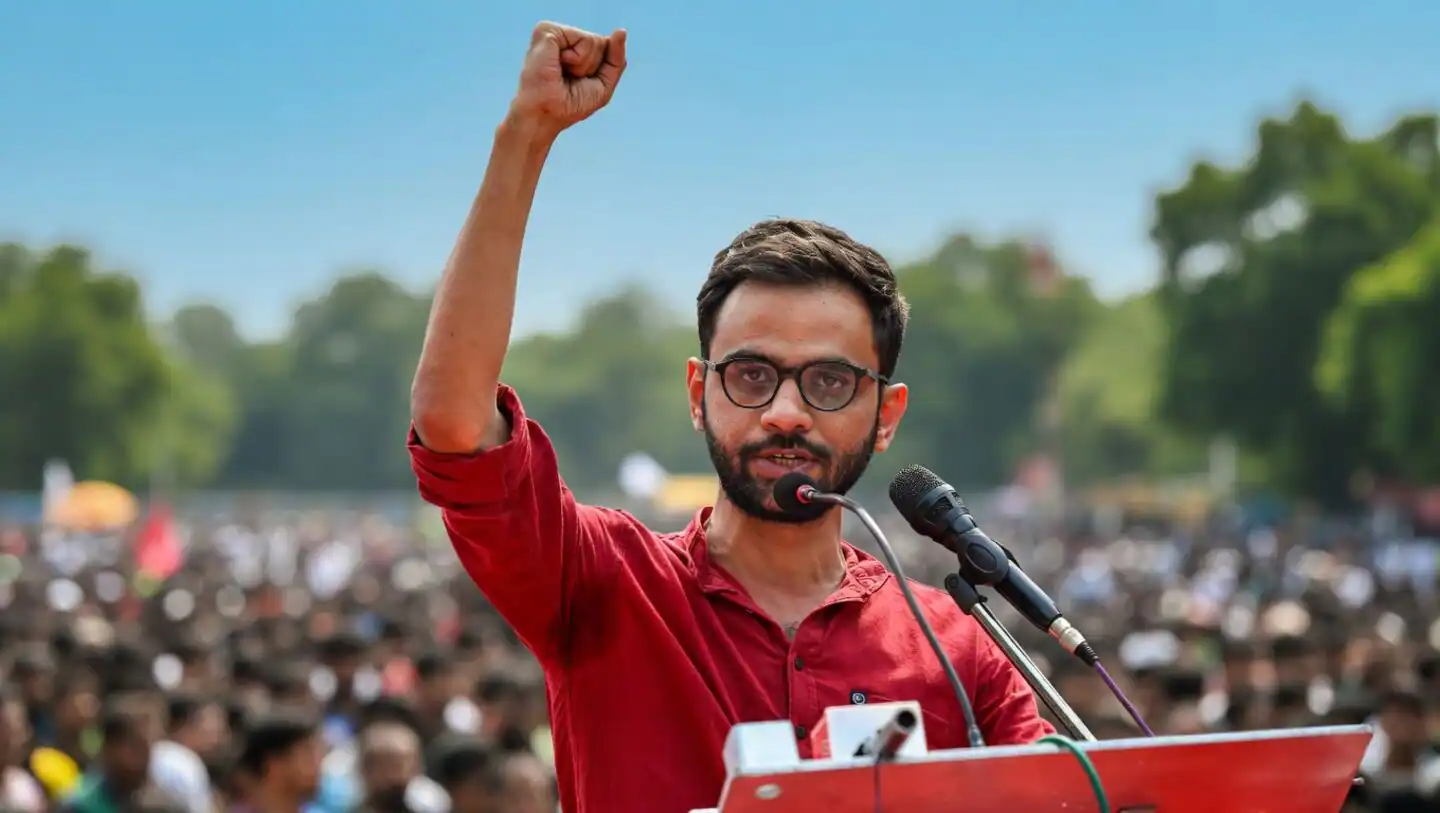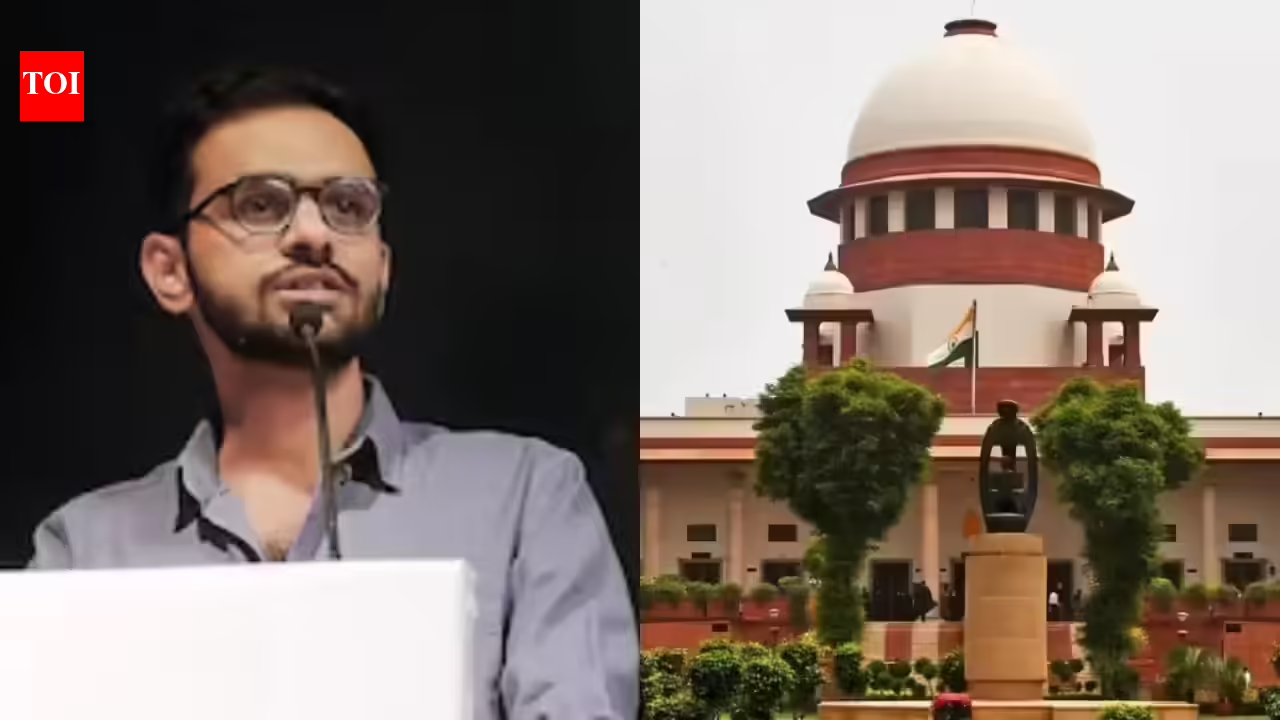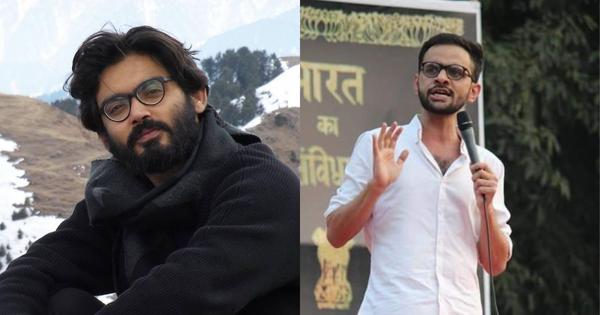
The Delhi Police on Tuesday (May 19, 2026) told the Supreme Court that the question of whether prolonged incarceration and trial delays can override the statutory restrictions on bail under anti-terror laws such as the Unlawful Activities (Prevention) Act, 1967, warrants consideration by a larger Bench in view of two “conflicting” judgments rendered by coordinate Benches.The submission was made before a Bench of Justices Aravind Kumar and P.B. Varale during the hearing of a bail plea filed by 2020 Delhi riots accused Abdul Khalid Saifi, founder of the United Against Hate campaign, challenging the September 2, 2025, order of the Delhi High Court denying him bail along with Jawaharlal Nehru University scholars Umar Khalid and Sharjeel Imam.Referring to a judgment delivered a day earlier by a Bench of Justices B.V. Nagarathna and Ujjal Bhuyan, which emphatically held that “bail is the rule and jail is an exception” even in prosecutions under the UAPA, Additional Solicitor General S.V. Raju, appearing for the Delhi Police, submitted that the ruling may not have laid down the correct position in law.“On a prima facie reading of the judgment, it appears that when there is a presumption in law, as contained in Section 43D(5) of the UAPA, which is a mandatory presumption, and the word used is ‘shall’, then the presumption of innocence of the accused takes a backseat...that aspect has been lost,” he said.He, however, clarified that he would not oppose the grant of interim bail to Mr. Saifi if the Bench were inclined to consider it.Narco-terror caseThe judgment by the Bench headed by Justice Nagarathna was delivered on May 18 while granting bail to Jammu and Kashmir resident Syed Iftikhar Andrabi in a narco-terror case investigated by the National Investigation Agency. In its ruling, the Bench voiced “serious reservations” about the January 5 judgment denying bail to Mr. Khalid and Mr. Imam in the alleged larger conspiracy case linked to the 2020 Delhi riots, including the foreclosure of their right to seek bail for a year.The Bench underscored that the January 5 verdict had failed to correctly apply the binding principles laid down by a larger three-judge Bench in Union of India v. K.A. Najeeb (2021), which held that prolonged incarceration and delay in trial can override the statutory restrictions on bail under Section 43D(5) of the UAPA.During the hearing, Justice Aravind Kumar asked Mr. Raju whether his position was that the coordinate Bench had committed an error. “You are saying that the coordinate Bench has committed an error?” the judge asked.The counsel appearing for Mr. Saifi submitted that he would rely on the May 18 judgment of the top court, which had read the fundamental right to a speedy trial into the stringent bail bar under the UAPA, to press for bail.“That is going to be my submission, provided I read the judgment. I have not read the judgment because I did not have time,” Mr. Raju responded. “My Lords may consider interim bail, I am not opposing that...but the issue requires consideration by a larger Bench in view of the two conflicting judgments,” he added.Taking note of the submissions, the Bench posted the matter for hearing on May 20 to consider the interim bail plea.‘Bail is the rule’Justice Bhuyan, who authored the May 18 judgment, had observed that the phrase “bail is the rule and jail is the exception” was not merely an empty slogan but a constitutional principle flowing from the fundamental rights to life, speedy trial, and freedom from arbitrary arrest and detention. He also expressed concern over certain verdicts “hollowing out” larger Bench rulings such as K.A. Najeeb, which championed personal liberty against state excess.In his plea, Mr. Saifi sought parity with the top court’s January 5 order granting bail to Gulfisha Fatima, Meeran Haider, Shifa-ur-Rehman, Mohd. Saleem, and Shadab Ahmed, while denying bail to him, Mr. Khalid, and Mr. Imam.Mr. Saifi contended that he deserved bail as the speeches allegedly delivered by him to instigate the riots had not resulted in any physical violence at the locations where they were made.Earlier, the top court had also agreed to hear the bail plea of another accused, Tasleem Ahmed, in the larger conspiracy case linked to the 2020 Delhi riots.The Delhi Police has alleged that the riots were orchestrated to effect a “regime change” and were deliberately timed around the February 2020 visit of then U.S. President Donald Trump to portray India in a poor light globally.
Delhi Police seeks larger Bench reference on UAPA bail curbs amid ‘conflicting’ coordinate Bench rulings
Delhi Police requests a larger Bench review on UAPA bail restrictions due to conflicting rulings on presumption of innocence and trial delays
738 words~3 min read