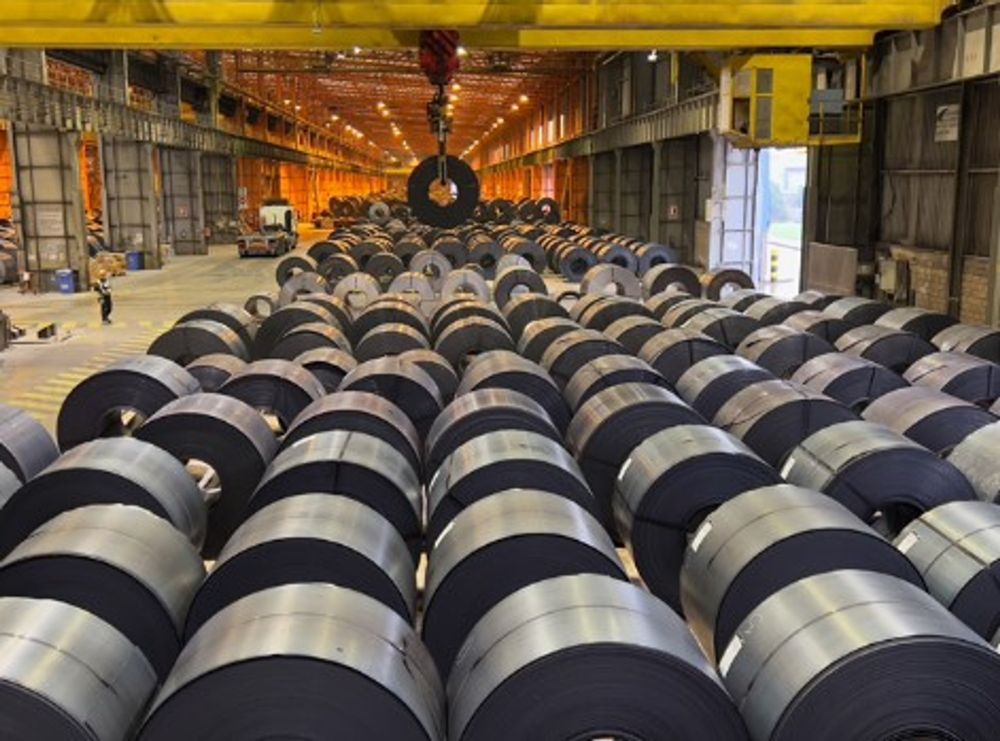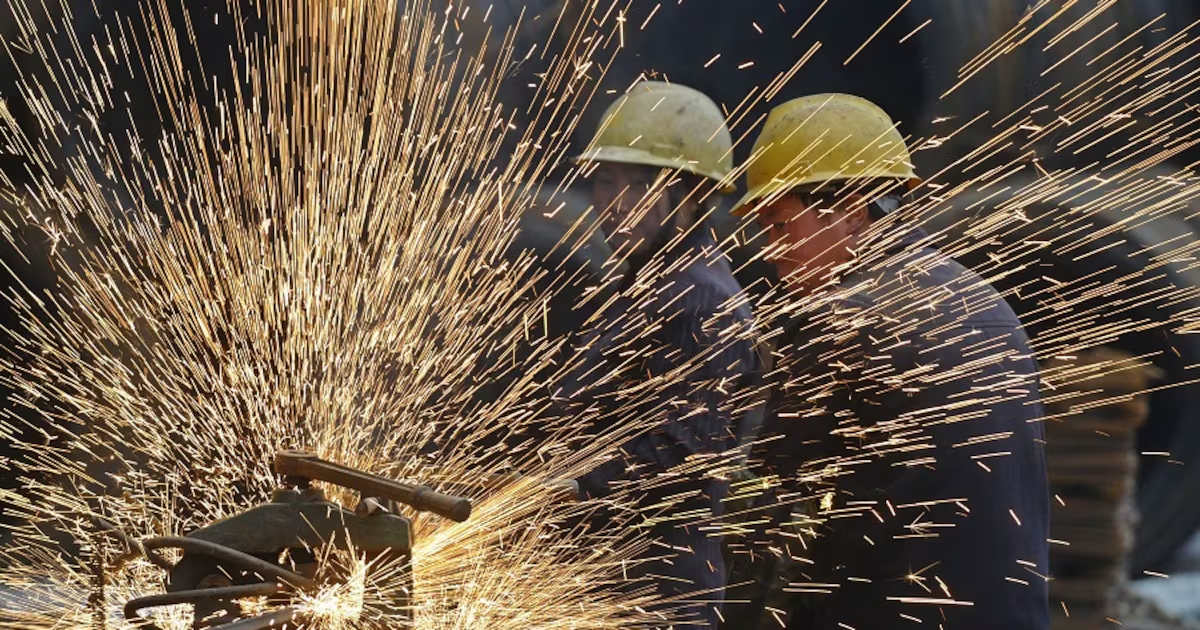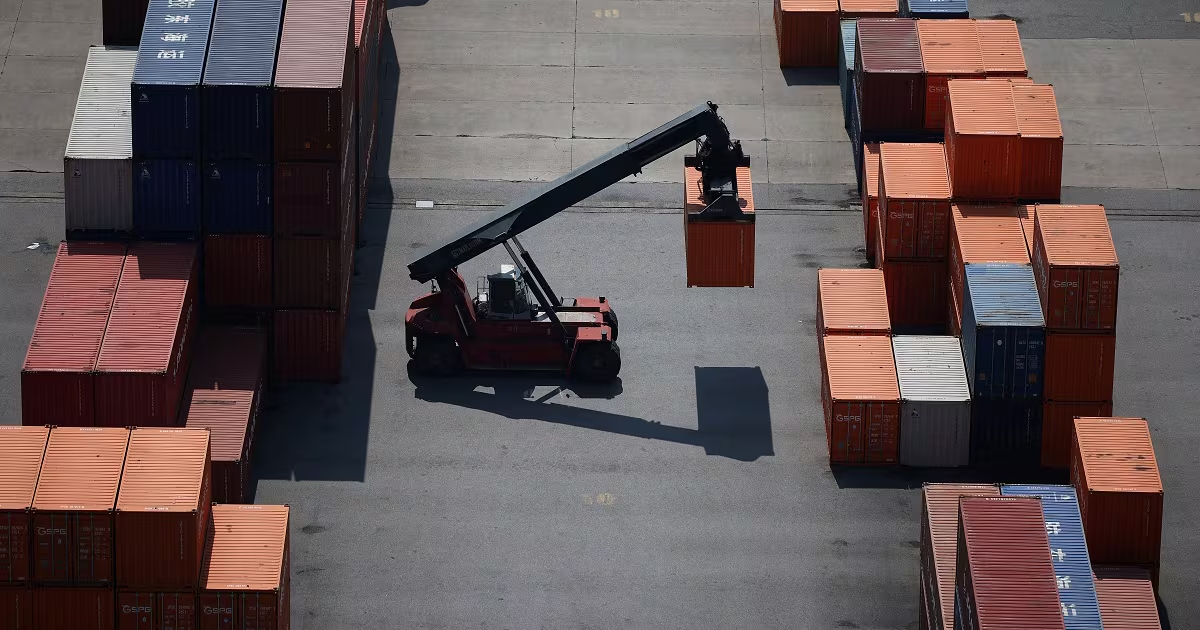
What does business really want from the state? Judging by company demands, shutting out import competition through tariffs and targeted government procurement ranks highly, along with cheaper and more reliable infrastructure, streamlined regulations and lower taxes. The risk is that it is a lot easier for the government to block foreign competition than to build the competitive, export-driven economy policy documents officially set as the national aim. In effect, tariffs are like opiates ― necessary in some cases, but really dangerous if overprescribed. The risks are particularly obvious when tariffs hit consumer necessities. As the US is learning the hard way, in the end these tariffs are a deeply regressive sales tax. Today, South Africa levies additional import tariffs on poultry, wheat and sugar, all of which are staple foods. Taken together, these three products account for close to 10% of consumption by the poorest 60% of families, but under 3% for the richest decile. These tariffs aim to protect producers, which employ about 150,000 workers, and to stabilise domestic output. But there has to be a better way to achieve those aims than raising the prices of basic foods for working-class families. More recently, the government imposed a whopping 75% tax on imports of structural and flat steel from China, mostly to protect ArcelorMittal. In 2025 China accounted for 40% of South Africa’s imports of structural steel, compared with 20% of other imports. The premise of the new tariff is that China is dumping steel as its growth slows and US tariffs rise. It is true that the unit cost of structural steel from both China and other countries has dropped 28% from the start of 2025. However, the new tariff more than offsets that decline. Since structural steel is mostly used in construction, the result will be a jump in prices for the government’s infrastructure push. In the end, the cost will fall primarily on ordinary citizens who rely on national electricity, water, roads and rail. Fundamentally, the wave of new import taxes over the past decade suggests that neither business nor the government believes South African producers can compete with other countries on price and quality. This view reflects the historical perspective that traces South Africa’s economic challenges back to the opening of the economy after 1994, rather than to the failure to hold down domestic costs and encourage more dynamic enterprises. It’s not hard to find the main cost drivers for South African businesses. At the top of the list remain infrastructure and qualified employees, both of which have seen prices increase far faster than inflation. The relevant government agencies indeed face a lot of demands. Still, they need to act more urgently to alleviate the costs to producers if we want to accelerate growth. A less obvious cost driver is the practice of aligning domestic prices for mining and agricultural commodities ― from iron ore and coal to soya beans and other grains ― with global markets. Equating prices to international levels means the benefits of rich local raw material deposits go to primary producers rather than enabling competitive downstream manufacturing. However, policies to hold down input prices to support manufacturing would require the government to implement disruptive and contested policies. In some situations it makes sense to use tariffs to give companies time to become more competitive. In practice, though, lobbyists for protection rarely propose ways to cut their input costs (although most are happy to demand subsidies). When a South African company cannot compete, the starting assumption seems to be that foreign competitors somehow have an unfair advantage, either through subsidies from their governments or from market power. In the long run, increasing protection for local producers without acting to cut domestic costs undermines efforts to achieve more dynamic and competitive growth. Inherently, it dilutes the pressure on local companies to become more competitive. It is becoming an increasingly unaffordable response for companies in distress. • Makgetla is a senior researcher with Trade & Industrial Policy Strategies.
NEVA MAKGETLA | Like opiates, tariffs are dangerous if overprescribed
South Africa’s steel import taxes risk raising infrastructure costs
664 words~3 min read