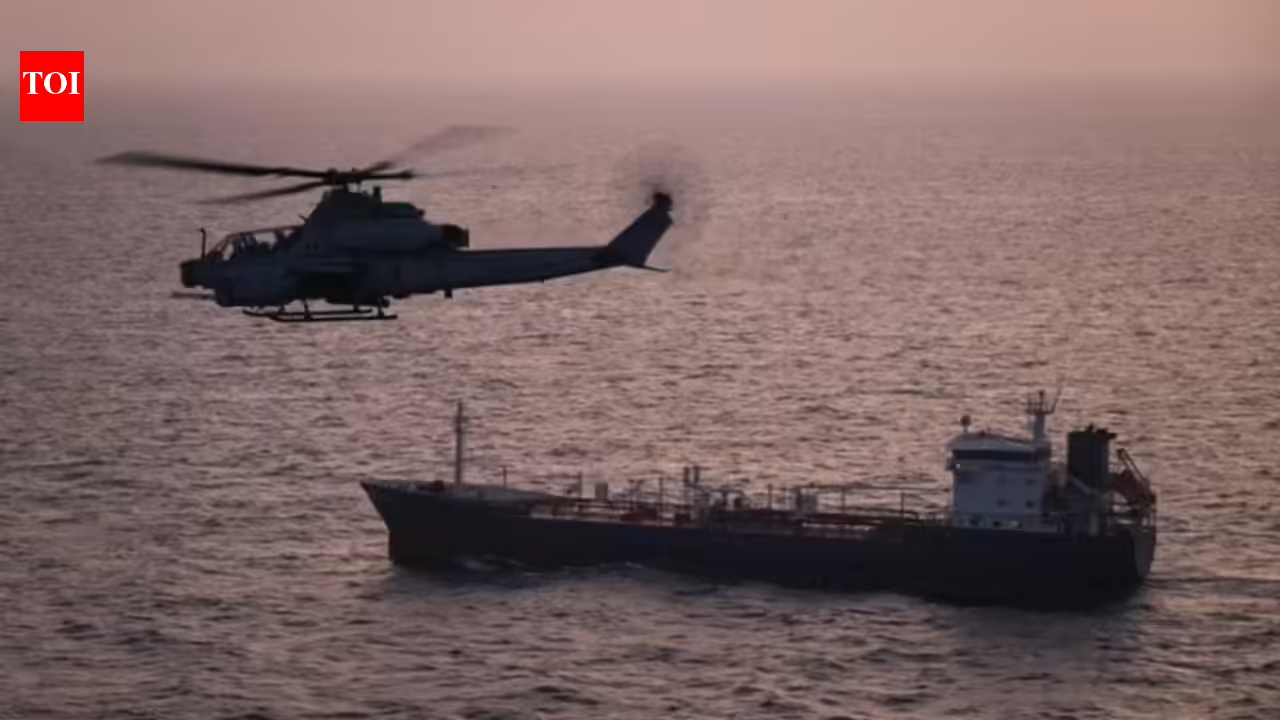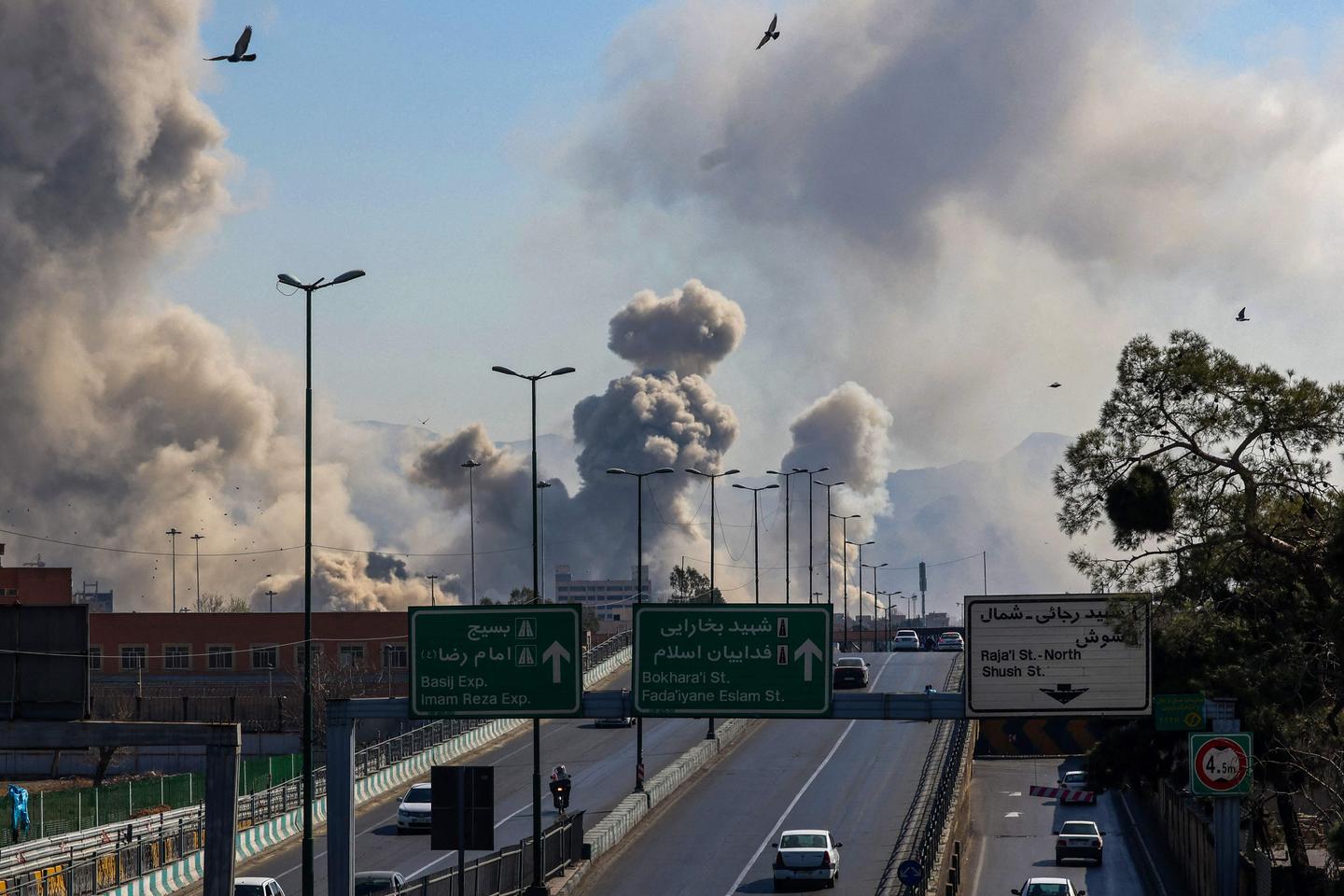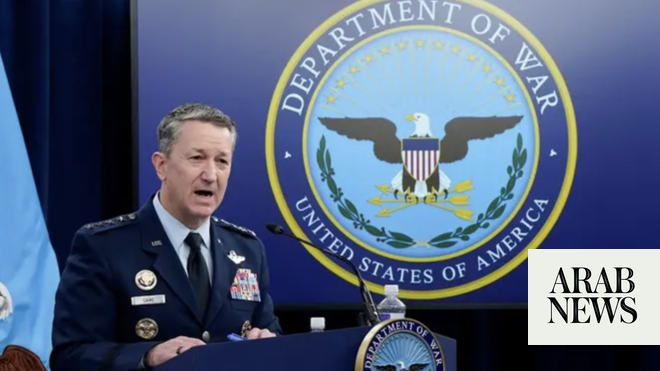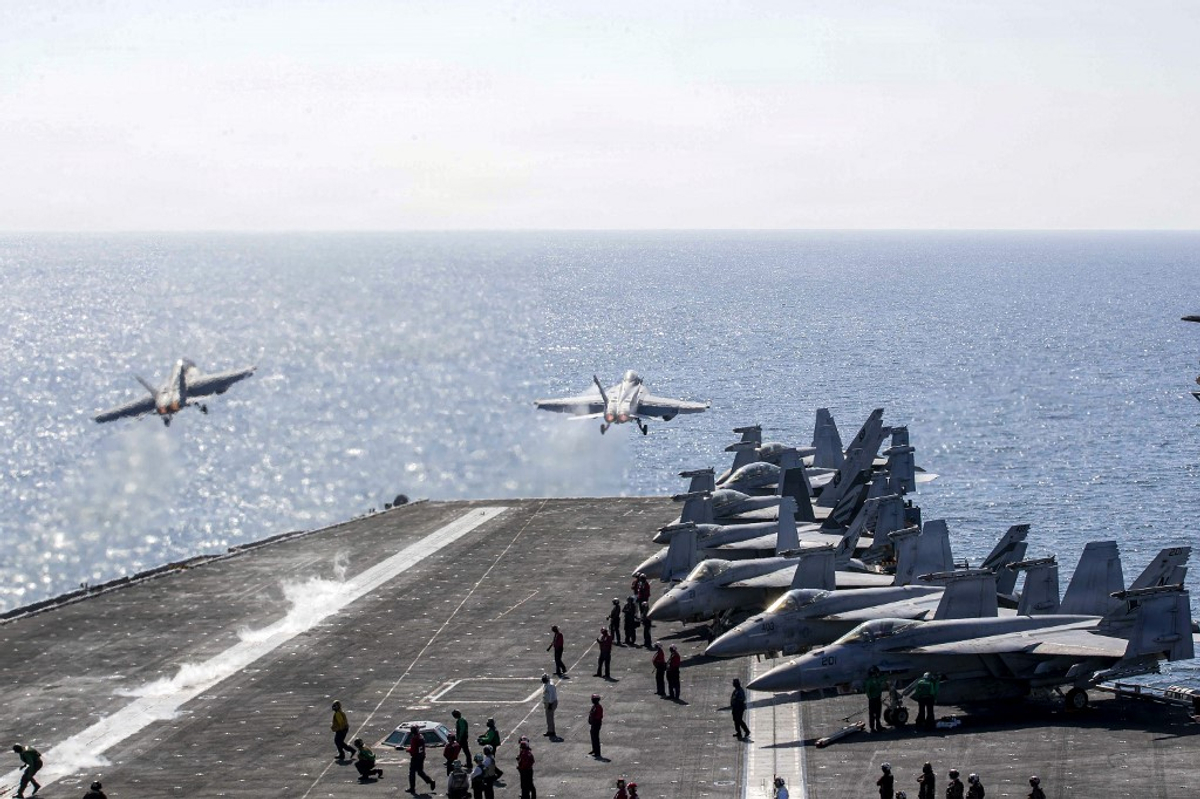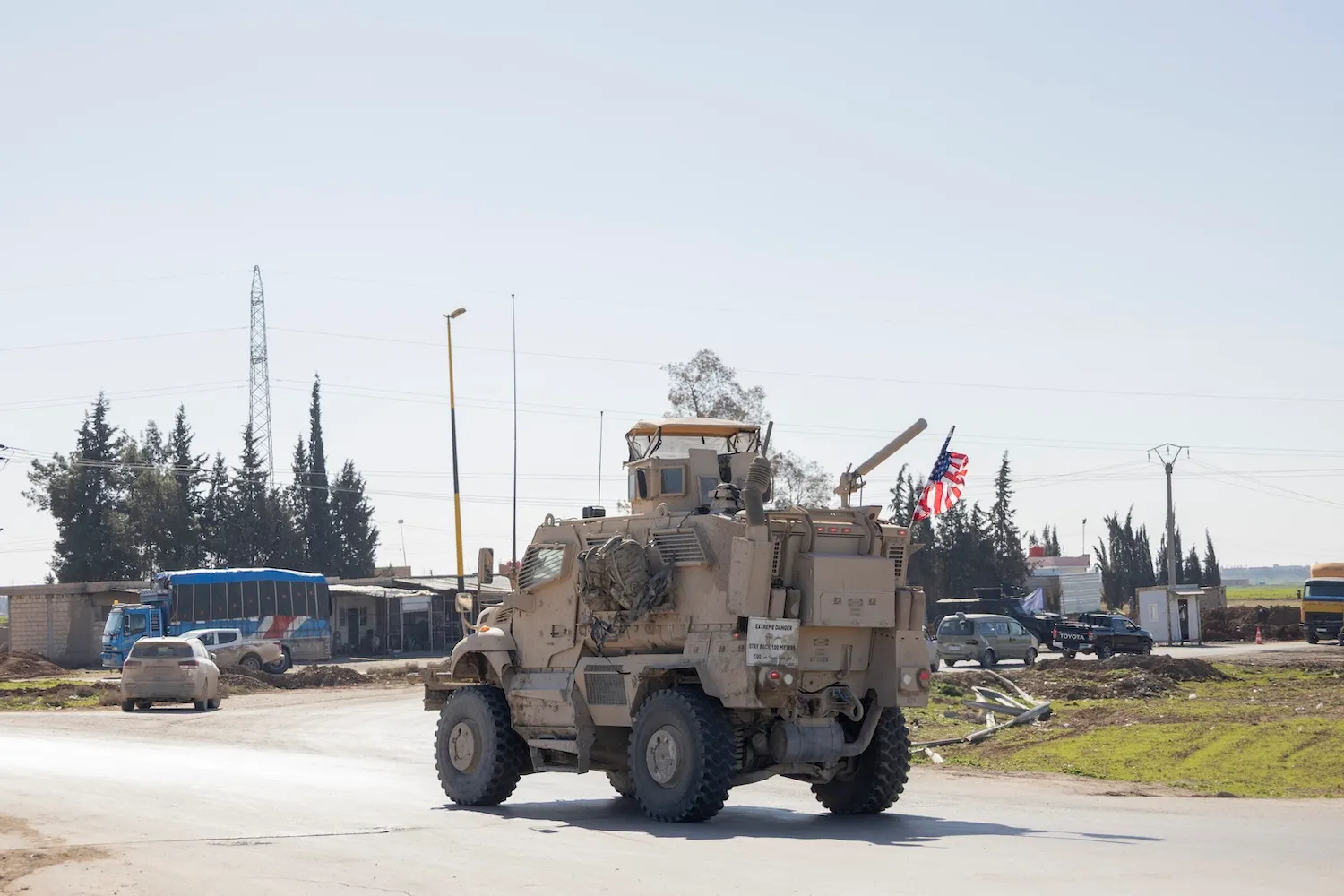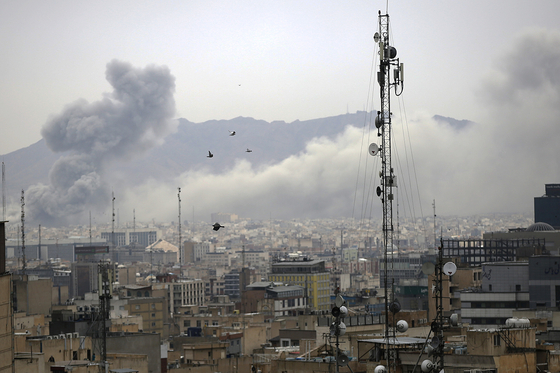
1. The war between the United States (U.S.) and Iran, which commenced on February 28, is considered to rival the scale and intensity of the U.S.-led invasion of Iraq in 2003, making it one of the most significant military engagements in recent decades.[para. 1]2. In contrast to prior conflicts like the Gulf War 23 years ago, where the U.S. built a coalition including the U.K., Australia, Poland, and obtained various forms of support from countries such as Denmark, the Netherlands, Italy, and Spain, the current war with Iran has seen the U.S. and Israel as the sole combatants, without direct military participation from other American allies.[para. 2][para. 3]3. Middle Eastern nations, particularly those in the Gulf Cooperation Council (GCC) who are currently under Iranian attack, have largely prohibited U.S. forces from using their territories and airspace to launch attacks on Iran—though there are reports that the U.S. has occasionally used Bahrain for missile launches.[para. 4]4. The significant absence of international support can be traced to a shift in global alliances and changing perceptions of U.S. leadership. Since Donald Trump assumed the presidency, his administration's aggressive foreign policy and trade stances—exemplified by a global trade war and a disregard for international law—have alienated many traditional allies. At the World Economic Forum in Davos earlier in the year, U.S. allies, including leaders from Canada and Belgium, openly questioned the future of American-led global order, underscoring new calls for collective security among middle powers.[para. 5][para. 6]5. Conventional Western support for the conflict was further eroded by the decision to launch military action without explicit U.S. Congressional approval, making Western hesitation expected.[para. 6]6. An even more critical factor is the ongoing war in Ukraine. Western countries see the battlefield in Ukraine and Russia as their main strategic concern, with advanced weaponry and resources urgently needed there. The opening of a new front against Iran diverts vital military aid and attention away from Ukraine, weakening support for Washington’s Middle East campaign. Resulting policy choices—such as the U.S. permitting transactions for Russian crude already in transit and surging oil prices—have provided unexpected economic support to Russia.[para. 7][para. 8][para. 9][para. 10]7. European countries like the U.K. and France have limited their involvement to securing key international shipping lanes and safeguarding their own Middle Eastern interests, but have stopped short of offering the U.S. substantive military assistance.[para. 10]8. The conflict has triggered surging energy prices—oil spiked 40% to $120 per barrel—and amplified inflationary pressures, worsening existing cost-of-living crises in Europe and elsewhere.[para. 11][para. 12]9. While the U.S. has become a net energy exporter, most traditional allies remain dependent on Middle Eastern energy supplies, with Asian nations such as Japan and South Korea sourcing more than half of their oil and gas from the region. A short-term disruption may be manageable, but a prolonged conflict risks severe economic fallout and hardship.[para. 13][para. 14]10. Domestic political considerations are another obstacle, as many U.S.-aligned countries have significant and politically influential Muslim populations. This requires leaders to be sensitive to public sentiment and the risk of domestic unrest, further fueling calls for ceasefire and de-escalation.[para. 15][para. 16][para. 17][para. 18][para. 19]11. Unlike prior U.S.-led wars, which were often cast as moral crusades for democracy and freedom, the current Operation Epic Fury is widely perceived as a retaliatory effort, lacking ideological justification, further weakening allied support.[para. 20][para. 21]12. Despite the lack of overt military backing, traditional partners—particularly in the Gulf—are expected to increase their diplomatic efforts as the conflict progresses. The war jeopardizes stability and development in the Middle East while distracting from Ukraine, and ultimately, all involved parties will be compelled to weigh costs and negotiate possible compromises.[para. 22][para. 23]AI generated, for reference only
Commentary: Why Traditional U.S. Allies Are Sitting Out the War With Iran
Concerns over Ukraine, global inflation, and domestic politics have prompted European and Middle Eastern partners to maintain a collective low profile in the U.S.-led ‘Operation Epic Fury’
611 words~3 min read