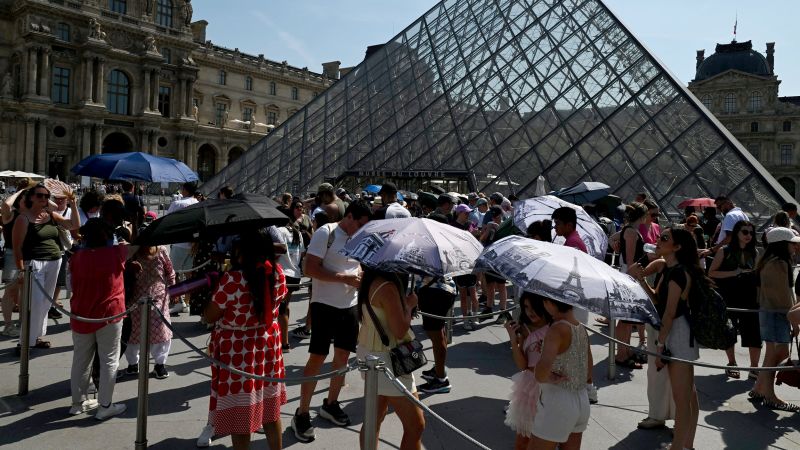
You’ve been planning the perfect trip for months: that gorgeous, sun-filled apartment overlooking the Seine on one end and crystal clear views of the Eiffel Tower on the other; a slow breakfast filled with coffee and croissants galore; pre-booked tickets to the Louvre and d’Orsay; and three impossible-to-get reservations at Paris’ finest restaurants.
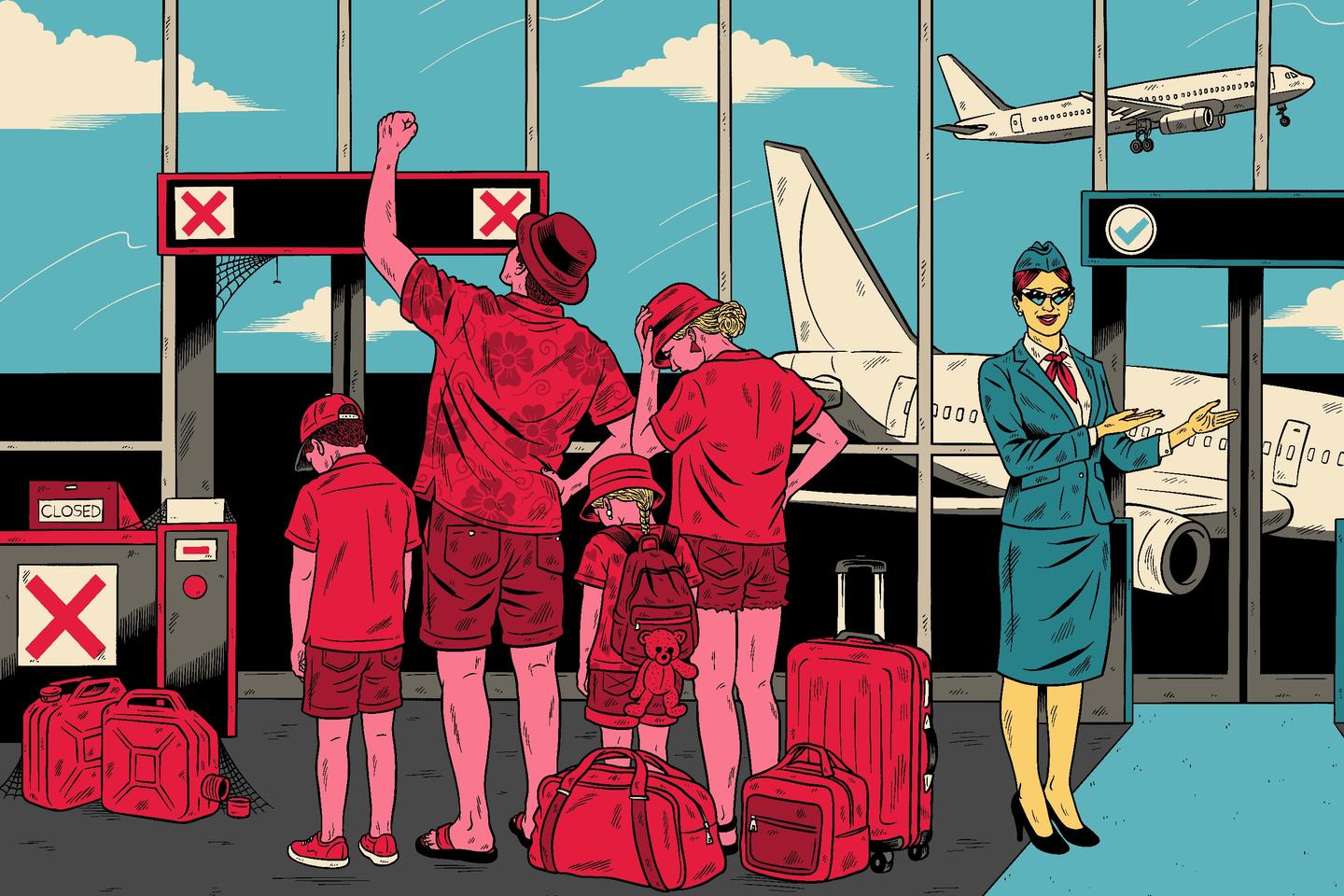
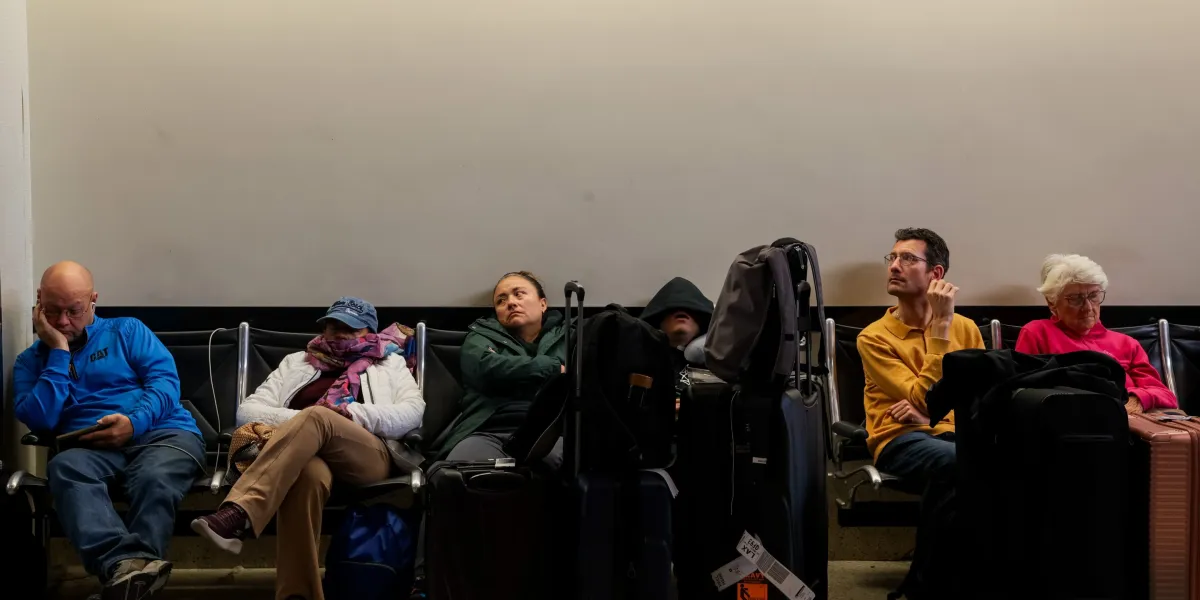
That sounds like the perfect vacation: if only you could get there in one piece. Unfortunately, your flight was delayed 12 hours; you’re not entitled to a hotel stay nor a paltry $12 airport food voucher; and you’re now paying for an extra day of the apartment and missed your museum and dinner reservations.
If you’re feeling anxious about summer travel plans ahead, you’re not a lone. A new survey of more than 1,000 U.S. travelers, conducted by Hopper Technology Solutions (HTS), found that 89% of travelers planning to fly in the next 12 months are concerned about delays or cancellations affecting their upcoming trips. Nearly one in four describe themselves as “extremely concerned” about their trips, and that sentiment is changing how they approach booking their travel.
Disruptions have become the norm
The findings show travelers no longer see disruptions as a rare inconvenience but a baseline expectation. According to HTS data, more than 58 million seats scheduled to depart from U.S. airports were affected by significant disruptions in 2025, up from 50 million in 2019. The frequency of what HTS calls “significant disruption days” (when more than 10% of all scheduled departing capacity is delayed over two hours or canceled within a single 24-hour period) has roughly doubled since before the pandemic.