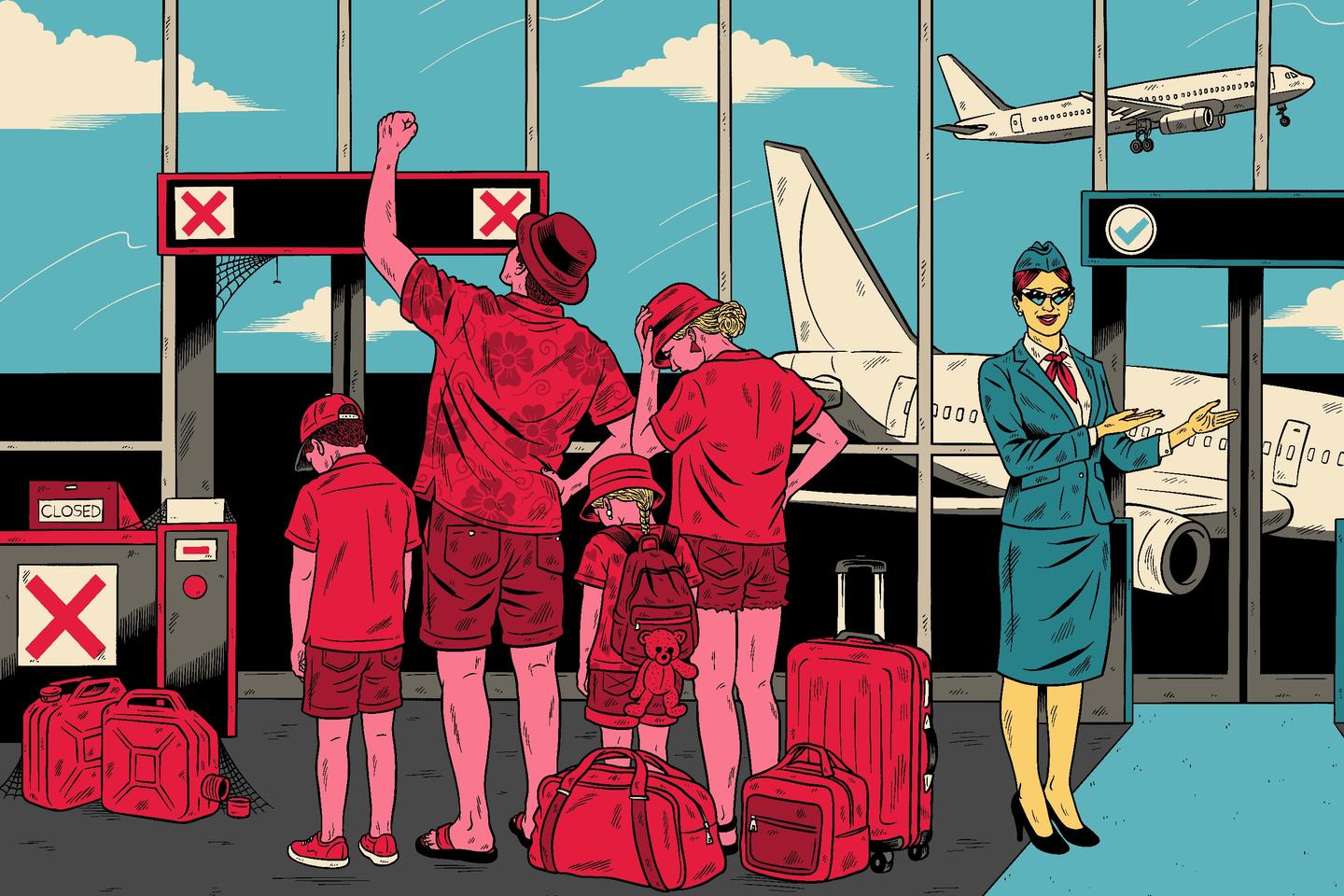
It was supposed to be a spring getaway for Annette, a 52-year-old trainer, and her two teenagers: a week in Greece, from April 9 to 16, booked several months in advance to take advantage of attractive prices. But on March 12, the airline Volotea announced the cancellation of her round-trip flight from Lyon to Athens "due to ongoing geopolitical instability in the Middle East," offering no acceptable alternative for Annette. (The people cited wished to remain anonymous.) "They just refunded me," she said on Friday, May 1. "But for the seven hotel nights, I only got a voucher worth 40% of the stay's price."
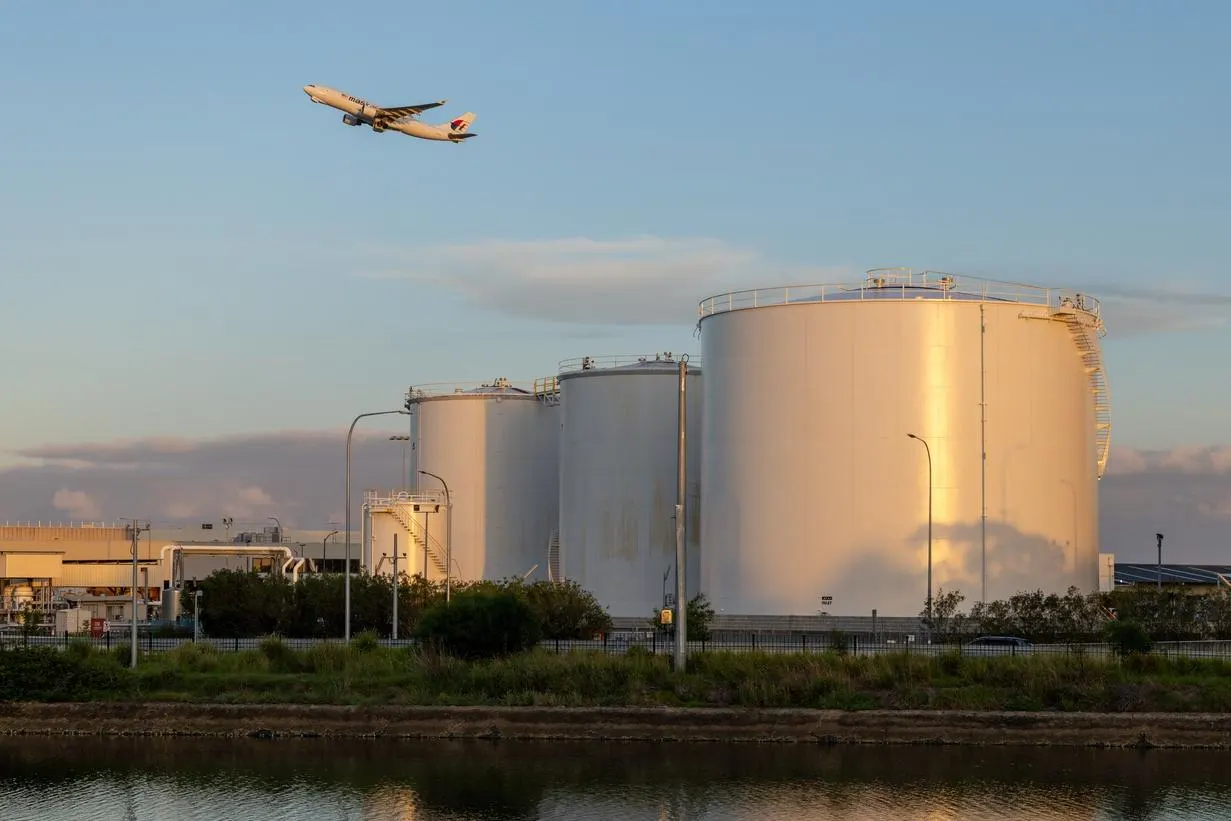
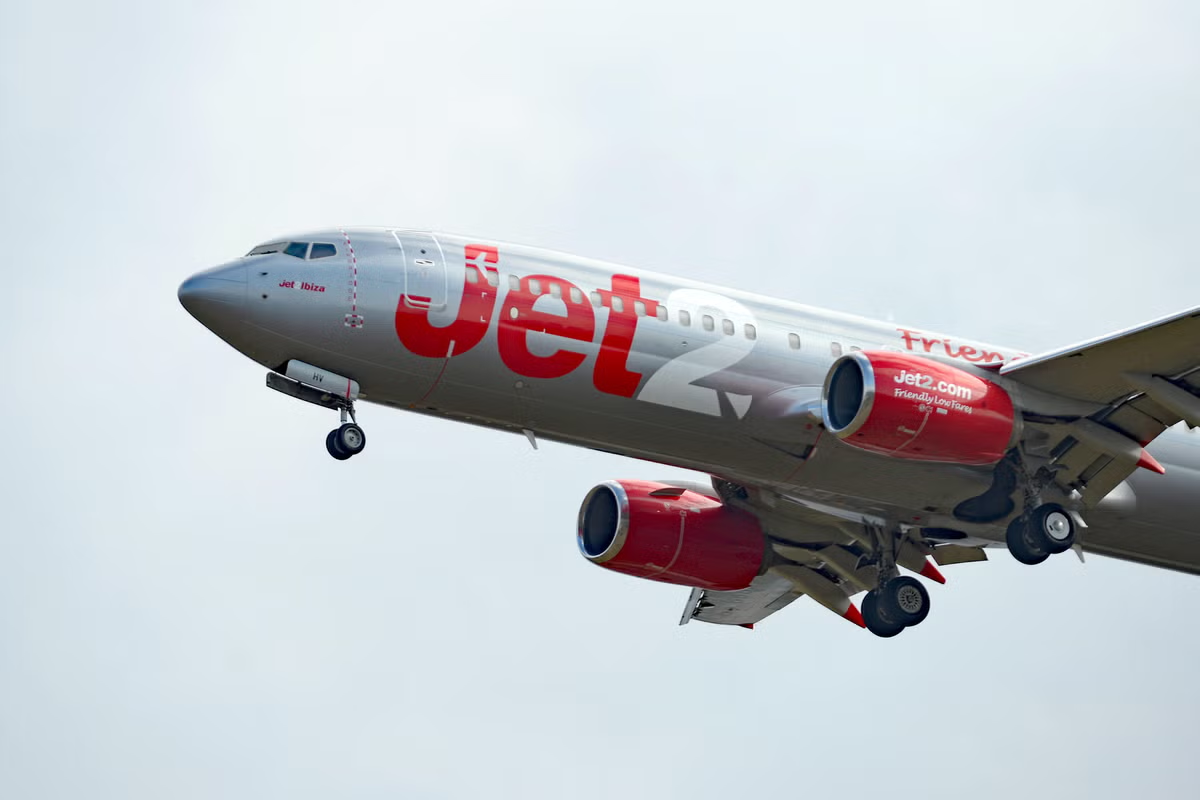
Like Annette, hundreds of airline passengers have found themselves frustrated, stranded and sometimes angry due to a wave of flight cancellations unseen since the Covid-19 pandemic. The war in the Middle East caused the price of jet fuel to double in a matter of weeks. Jet fuel accounted for just over a quarter of airline costs when it was $800 (€682) per tonne. Today, at around $1,500 per tonne, it makes up nearly half their expenses.
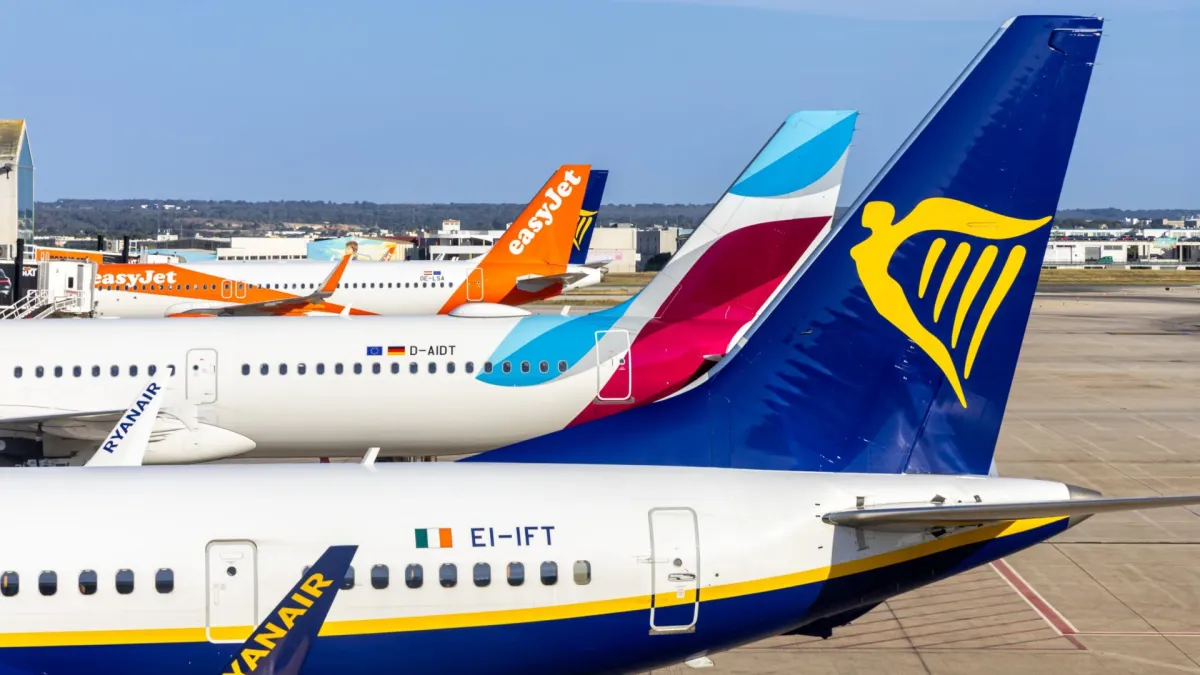
As a result, many airlines have decided to cut back their schedules, removing flights with low occupancy or low profitability. Most recently, Transavia, a subsidiary of Air France-KLM, announced on Sunday, April 26, the cancellation of 2% of its flights in May and June. How many cancellations in total will affect customers of airlines operating in France this spring? The figure is hard to pin down, but for low-cost carriers alone, which account for 25,000 to 30,000 departures each month from French airports, it is estimated that at least 500 flights will have been canceled before the summer.