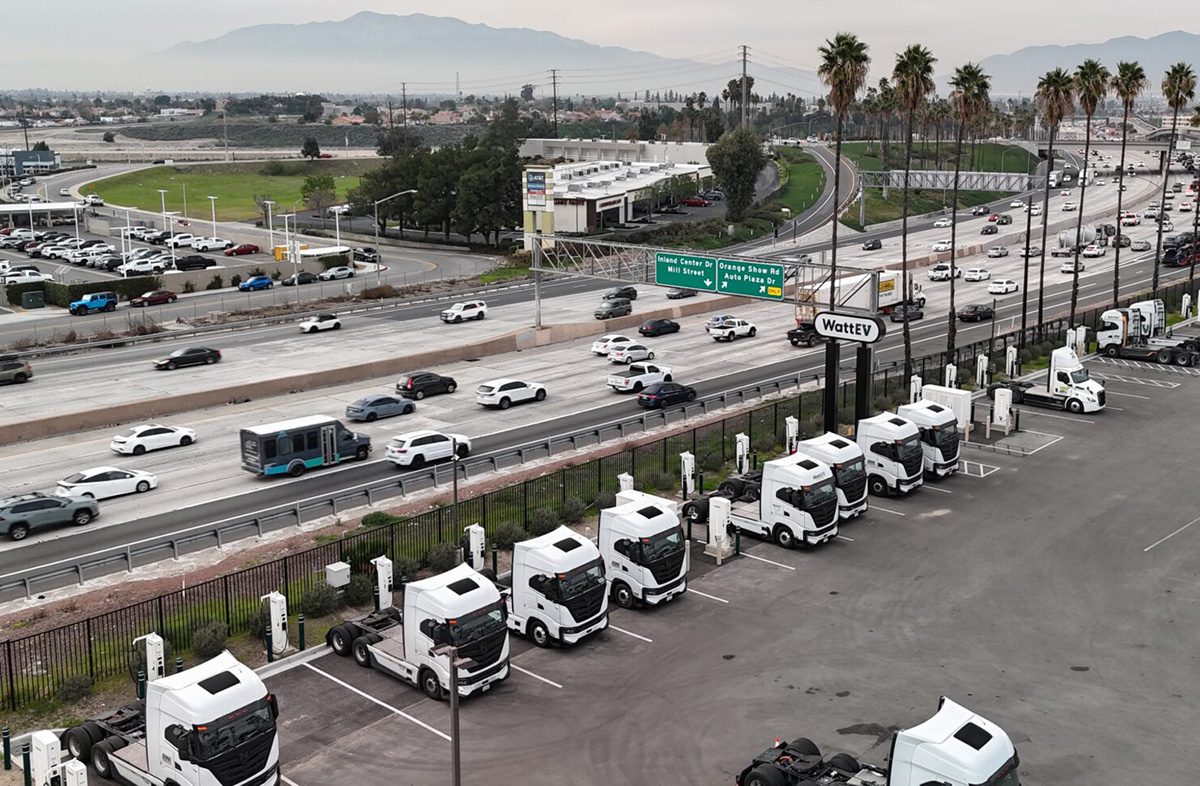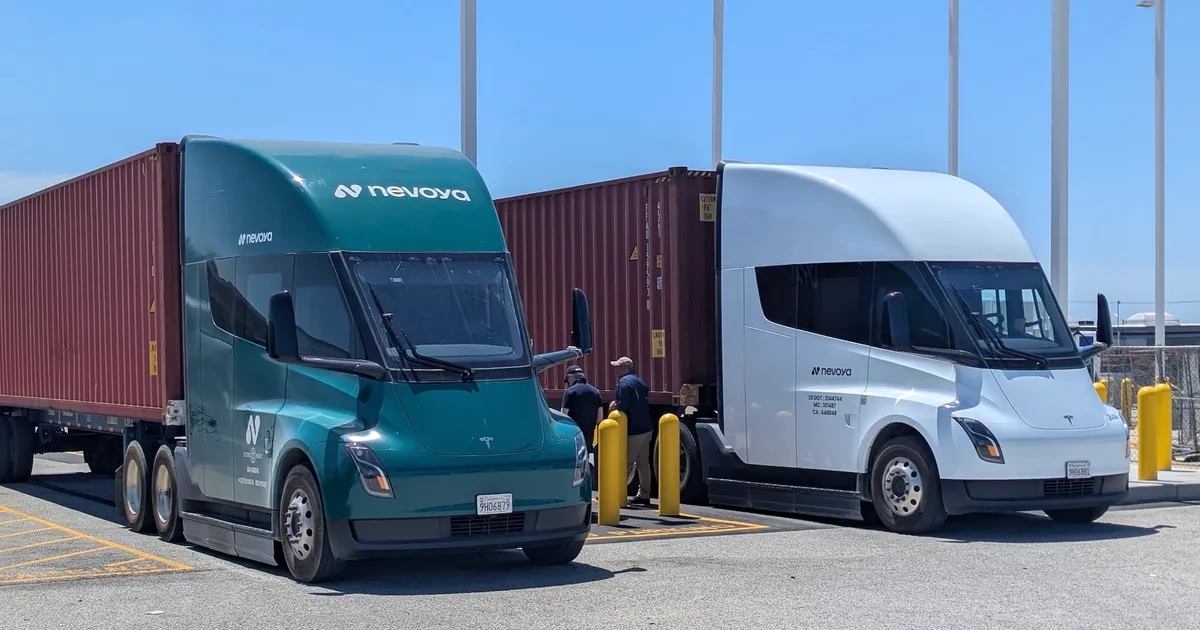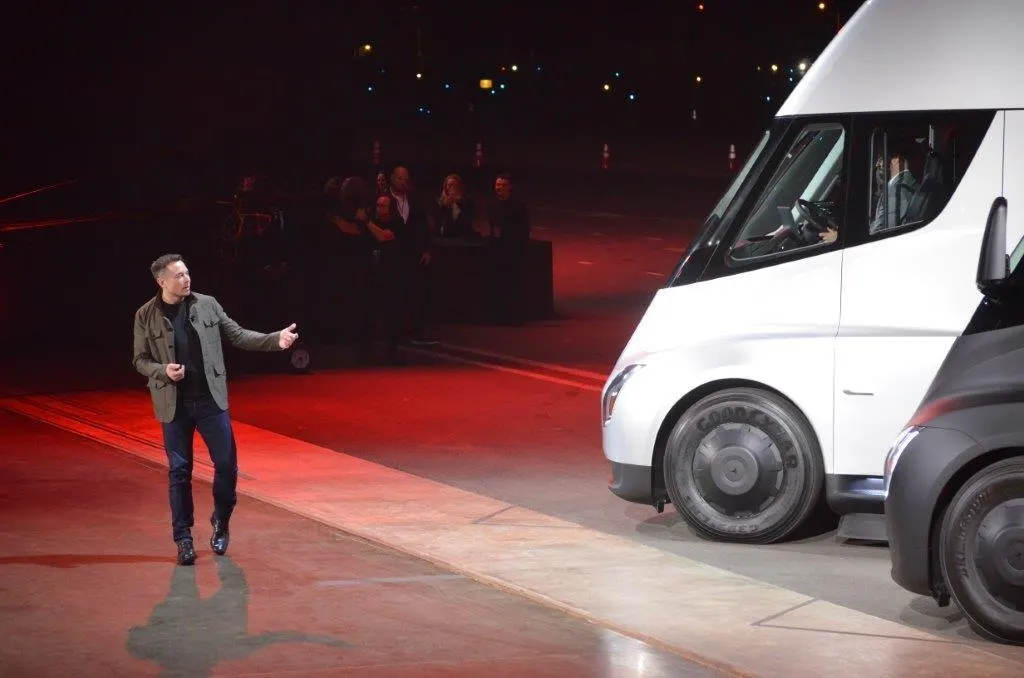
Tesla Elon Musk unveils the Tesla Semi in November 2017 in Hawthorne, California.AFP via Getty ImagesTwo decades ago, when Tesla was a scrappy Silicon Valley startup, California’s pollution rules let it earn free money selling emissions credits to automakers hawking big gas hogs. Its wealthy, environmentally minded consumers became the backbone of its electric car business. That kick-started the modern EV industry and helped CEO Elon Musk become the world’s wealthiest person.He has not been gracious about it.Musk moved Tesla’s headquarters out of California in late 2021. He moved himself out a year earlier after ranting on an earnings call about “fascist” rules requiring Tesla to briefly halt production at its Fremont plant at the start of the Covid-19 crisis and has said the state's regulatory agencies are intent on making “almost everything illegal.” He’s claimed the idea that Tesla relies on subsidies is farcical. “Take away the subsidies. It will only help Tesla,” he wrote back in 2024. “Also, remove subsidies from all industries!”Now the Golden State, with the country’s most generous clean truck incentives and a vast trucking sector, is helping ex-Californian Musk yet again by serving as the main first market for Tesla’s latest offering For the latest in cleantech and sustainability news, sign up here for our Current Climate newsletter.The Tesla Semi — the battery-powered heavy-duty truck Musk debuted nine years ago and finally put into production in Nevada in April has so far drawn more than 1,200 California “HVIP” vouchers for buyers of zero-emission heavy-duty vehicles, worth $172 million. That’s double the number awarded to Tesla’s closest competitor. Those vouchers knock $120,000 off the Semi’s sticker price, which ranges from $250,000 for a 300-mile version to $290,000 for the 500-mile model, based on a copy of Tesla’s pricing sheet obtained by Forbes. And with an additional $1 billion of new funding for non-polluting trucks announced on May 13, the state is poised to be even more critical to Tesla. High interest in the latest offering from the top U.S. EV brand isn’t surprising, particularly as diesel fuel prices have spiked nearly 50% since the U.S. war with Iran started on Feb. 28. But the truck’s heavy reliance on generous incentives is sharply at odds with Musk’s public stance on subsidies and on the state itself. “A surprising number of people think that Tesla survives on subsidies,” he said in 2024. “That is true of our competitors, but not of Tesla.”Not exactly: California’s electric truck rebates go to buyers, not manufacturers, but they prop up Tesla sales by making the pricey vehicles more affordable than they’d be without them. Tesla is among the biggest federal welfare vampires around having earned more than $13.5 billion from indirect government subsidies via pollution credit sales over the past 14 years, under programs overseen by California, the U.S. and the EU. And though Musk knocks the state and its “overbearing regulatory agencies,” it’s by far the biggest buyer of Tesla EVs in the U.S. The same will be true for the Semi. “There’s still $200 million of HVIP funding available for those that have fleets in California, so go ahead and grab it.”
California Hater Elon Musk Needs The State’s Subsidies To Launch Tesla’s Semi
The outspoken billionaire trashes his former home state, but its generous incentives and vast customer base are vital to selling the EV maker’s electric big rig.
1,555 words~7 min read