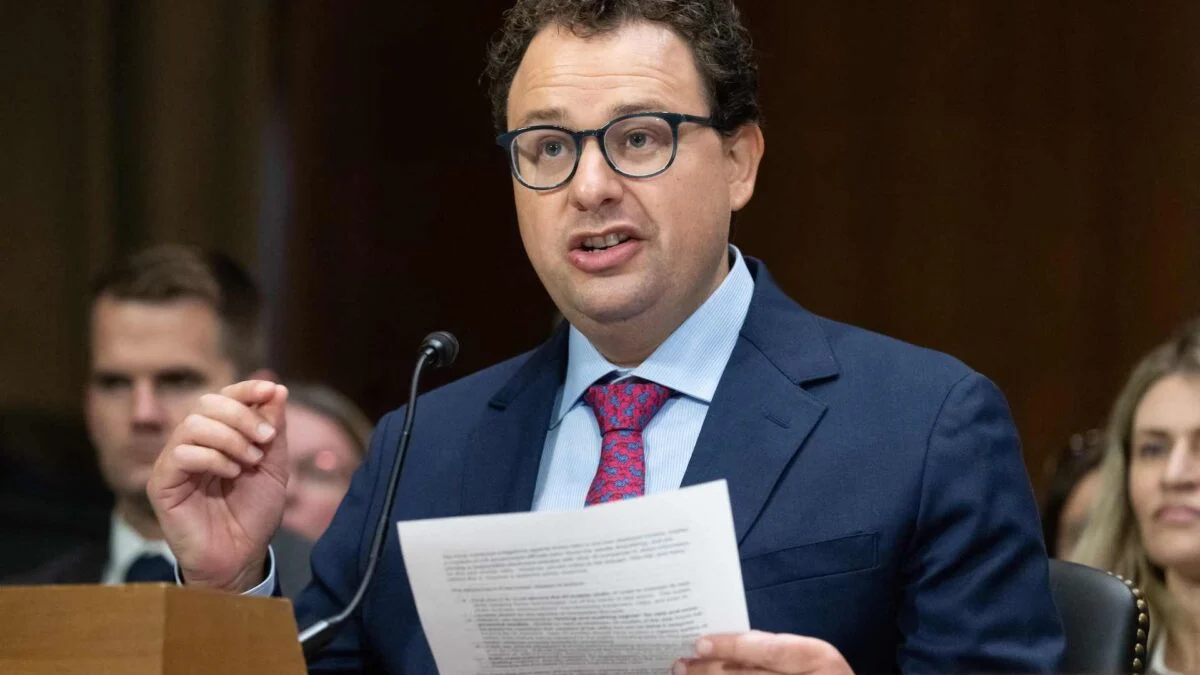
Anthropic initially made users of the Claude Mythos Preview model sign confidentiality agreements to prevent findings from being shared, according to the Wall Street Journal, but the Journal says that all changed last week. Up until now, the most important thing to keep in mind about Claude Mythos Preview, purportedly the scariest AI model in the world, has been its secrecy. To use it, you would have to be one of the VIPs allowed to participate in Project Glasswing—reportedly a very select group of about 50 companies and organizations. If you are one of the Claude Mythos Preview testers participating in Project Glasswing, you’re meant to use the model to find security vulnerabilities, and the sense early on was that participants had a crushing responsibility on their hands to keep everything a secret—as if the fate of the world depended on secrecy. But according to the Journal, Democratic Representative Josh Gottheimer wrote a letter to Anthropic complaining about this. “No entity should be contractually restricted from warning others, coordinating mitigations, or informing relevant and trusted stakeholders about urgent cyber risks,” Gottheimer wrote.
The Journal’s report, published Monday, makes it sound as if Anthropic has been struggling to find its footing on the question of what can be done with outputs from Mythos Preview. An anonymous Anthropic spokesperson told the Journal, “Confidentiality protections were something partners asked for at the outset and were built into agreements partners signed,” but added that Glasswing has “matured,” and the user agreements have evolved “to ensure key information can be shared broadly,” including beyond the bounds of Project Glasswing.