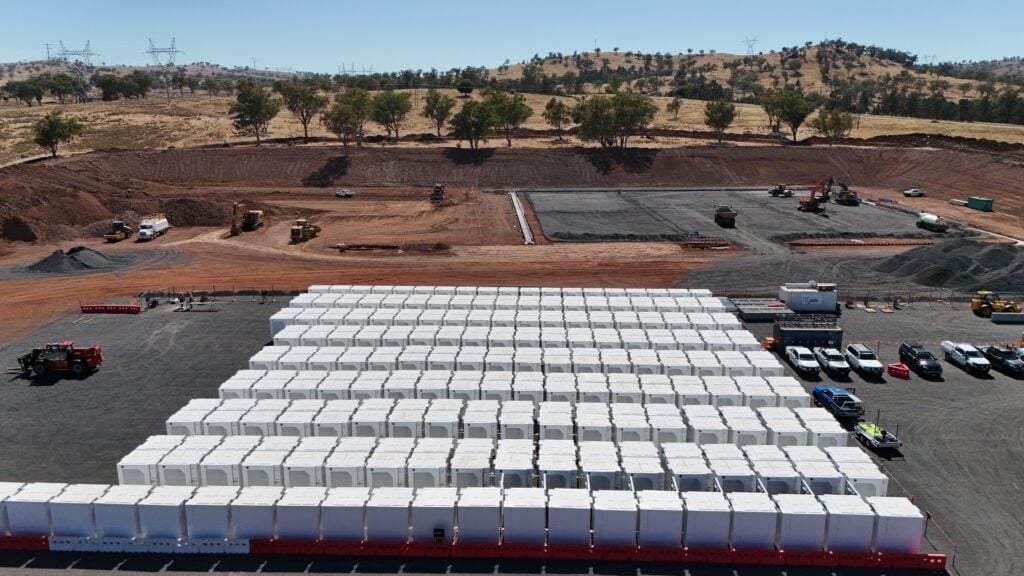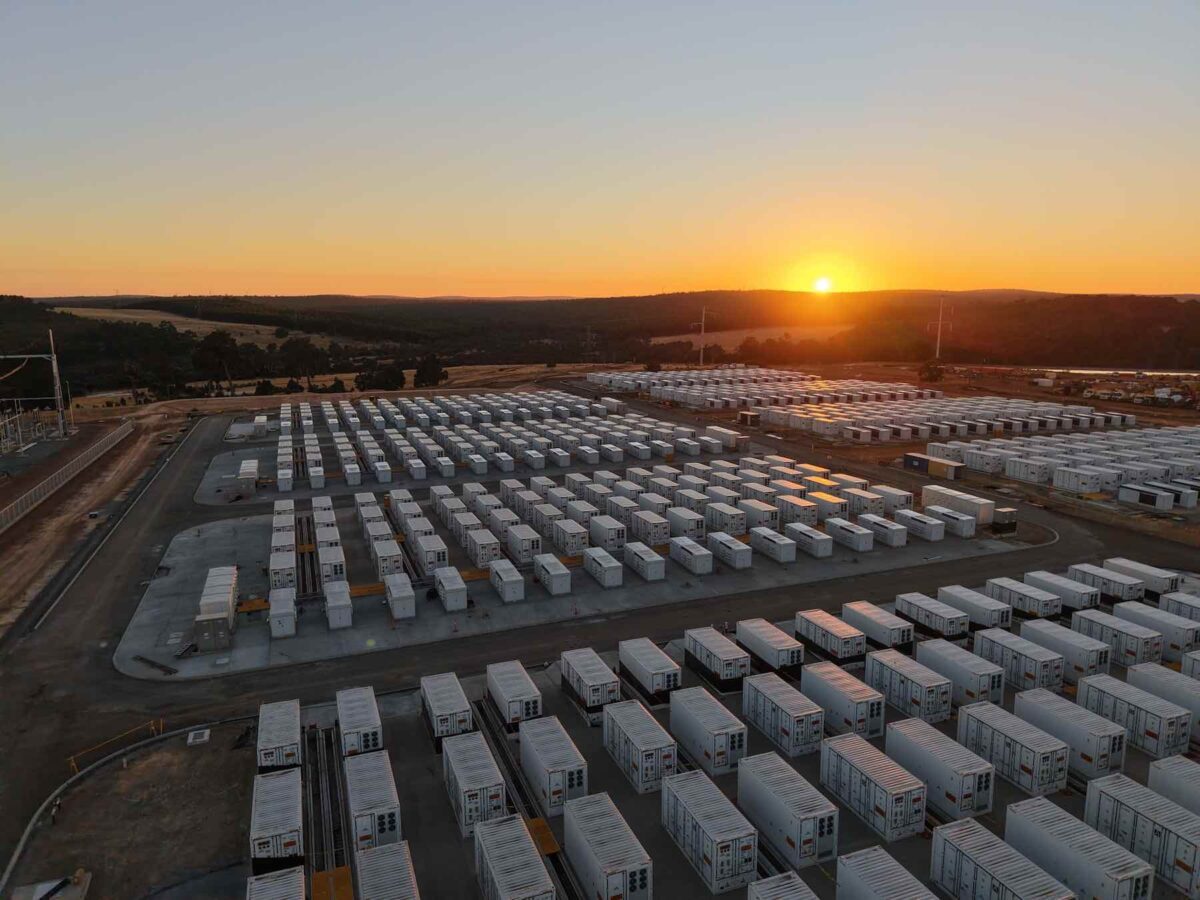
While the previous round’s 1.3GW of battery storage winners, announced in April 2025, comprised a mix of 3-hour and 6-hour duration projects, this time out, eligibility was limited to projects planned for 6-hour duration and above.
This, coupled with a new cybersecurity certification system, JC-STAR, and domestic content rules that mean no more than 30% of awarded battery capacity uses cells manufactured in any single foreign country, is thought to have resulted in the latest round seeing a lower number of bids than before.
Alongside the BESS projects, 453MW of contracts were awarded to two pumped hydro energy storage (PHES) projects, 264MW to ammonia co-firing, 253MW to hydrogen-only generation, 101MW to biomass, 1.38GW to new or refurbished nuclear capacity, 558MW to upgrading nuclear plants and 3GW for LNG thermal power.
Total bid capacity was 10.9GW, of which 67% was successful.
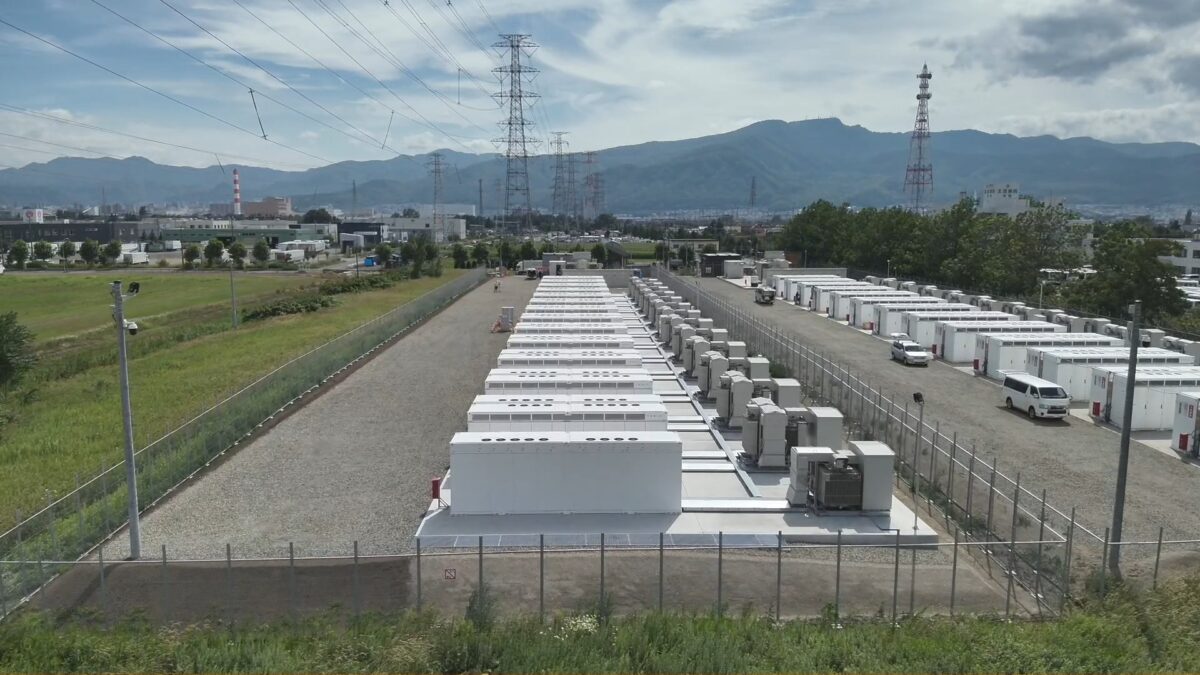
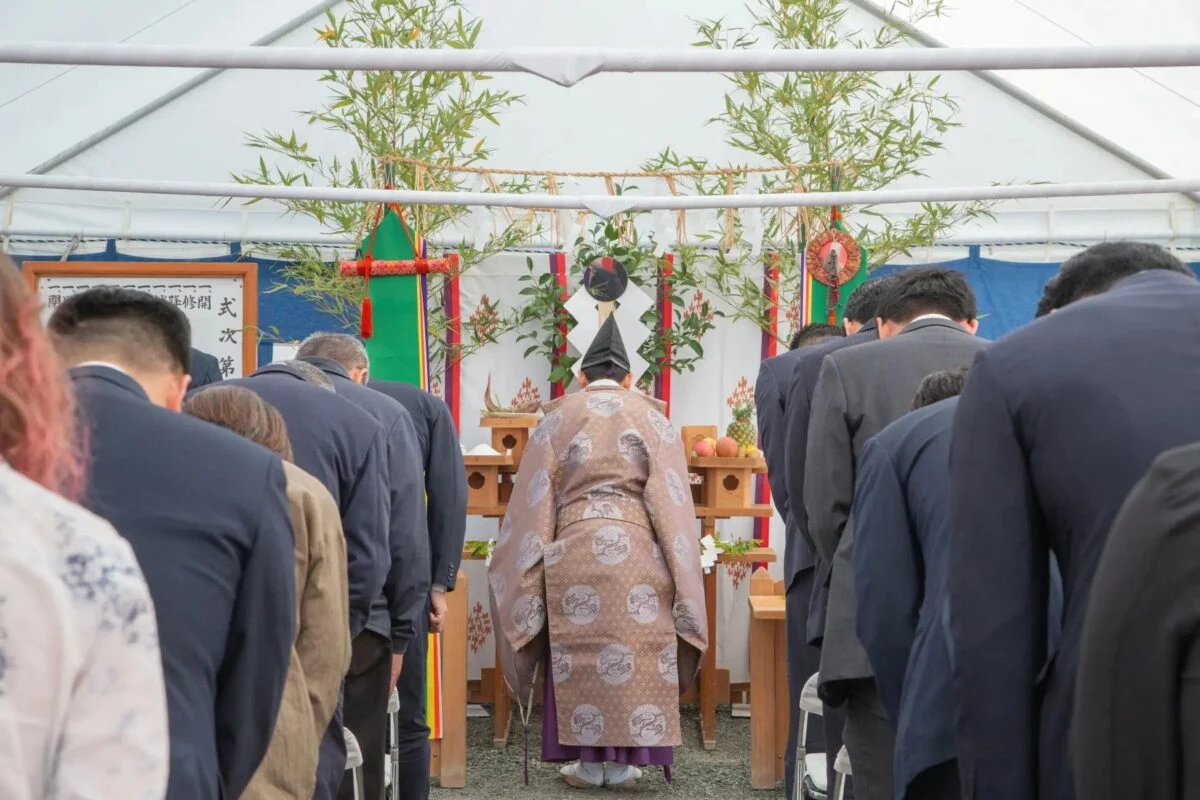
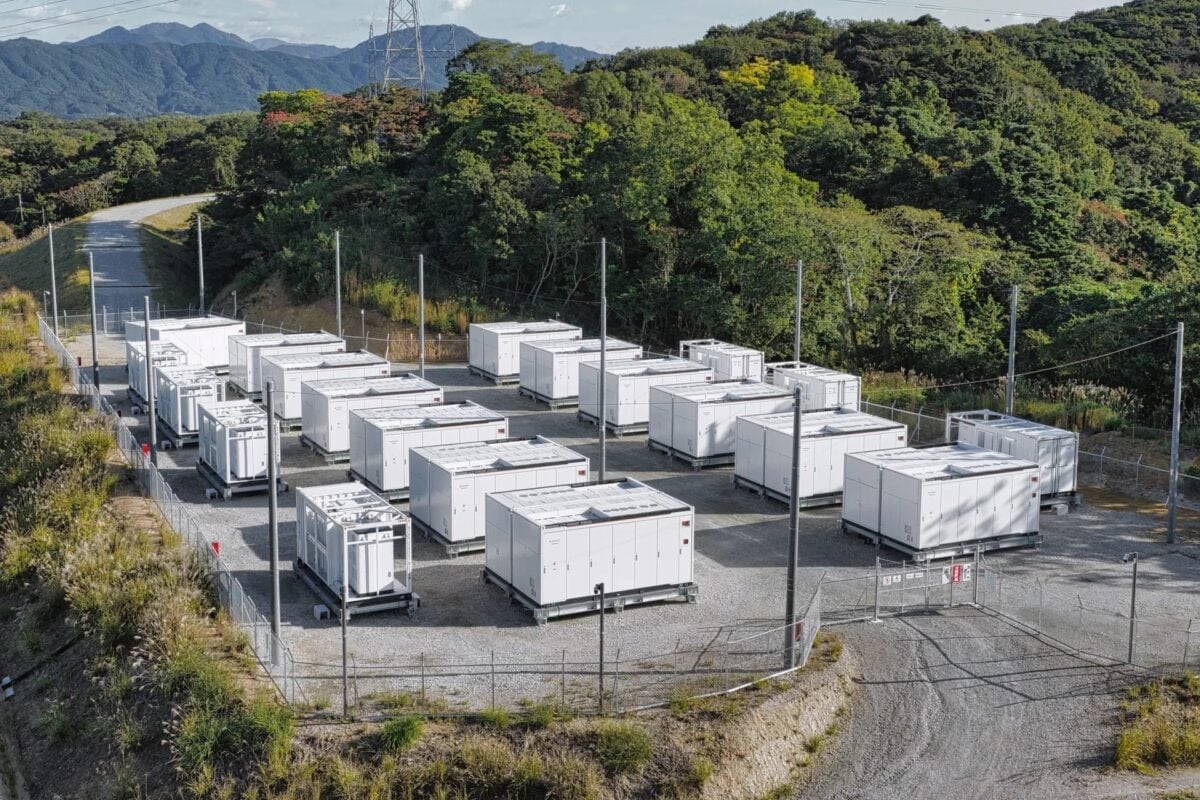
Solar developer Hexa Energy Services recently celebrated putting Japan’s first project with an LTDA contract into commercial operation. A completion ceremony was held in March for Hexa’s 30MW/130MWh Tagawa BESS project, for which the company won a contract in the FY2023 LTDA, part of a total 455MW of wins across 11 projects for the developer in that round.