The NETR aims to increase renewable energy capacity to 70% by 2050, equivalent to the development of an additional 14GW of renewables capacity. The national plan also calls for 500MW of BESS deployments by 2030 and continued growth thereafter.
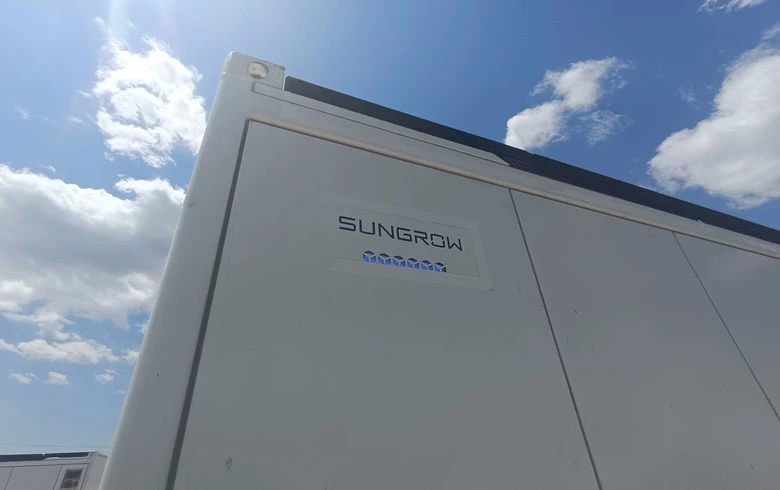
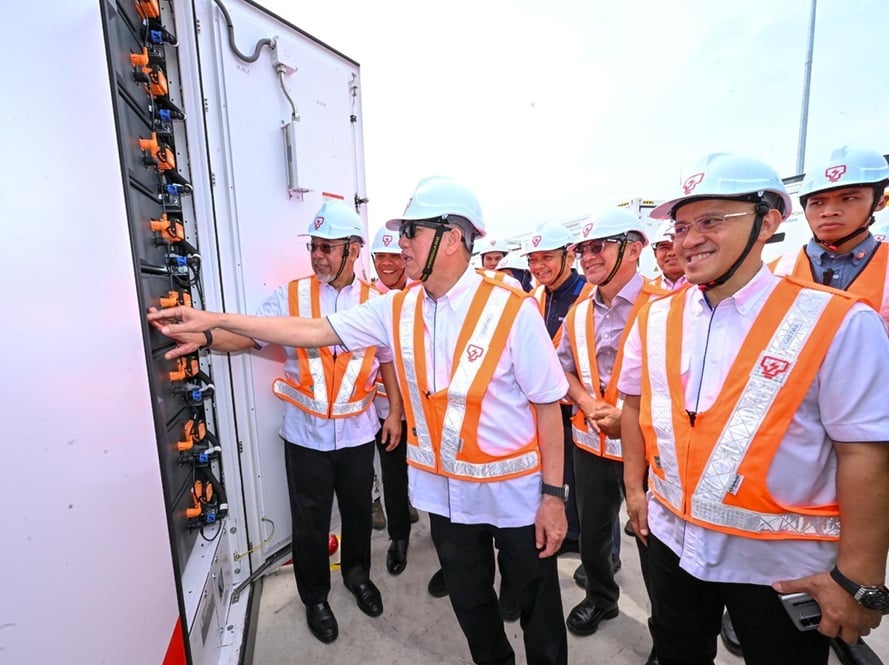
Santong BESS has been connected at the 132/33kV Santong BESS Main Input Substation in Dungun District, in the state of Terengganu, about 360km northeast of the national capital Kuala Lumpur.
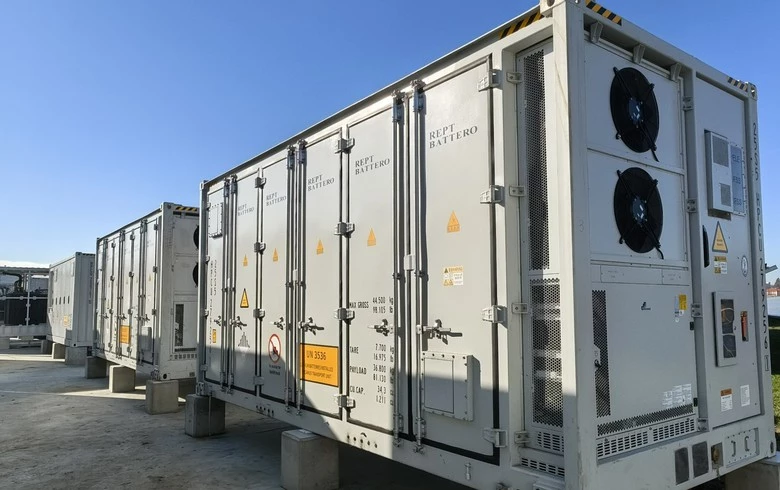
TNB CEO Shamsul bin Ahmad said the liquid-cooled BESS will play an important role in ensuring grid system stability through responding quickly to supply-demand imbalances. Its applications will include supporting peak load management and enabling larger-scale integration of solar to the grid with its GFM capabilities.
“Through this capability, BESS Santong can balance fluctuations in electricity supply and demand in real time, especially during peak hours or system disruptions, thus reducing pressure on the grid and improving the stability of electricity supply,” the CEO said.
In addition to its role as energy supplier, with 3.3GW of generation capacity including 2.5GW of large-scale hydroelectric power in Peninsular Malaysia, TNB also serves as transmission and distribution (T&D) operator in those three Malaysian territories. CEO Shamsul bin Ahmad said the Santong BESS can support “the electricity needs of approximately 40,000 households around the East Coast, depending on current usage patterns.”