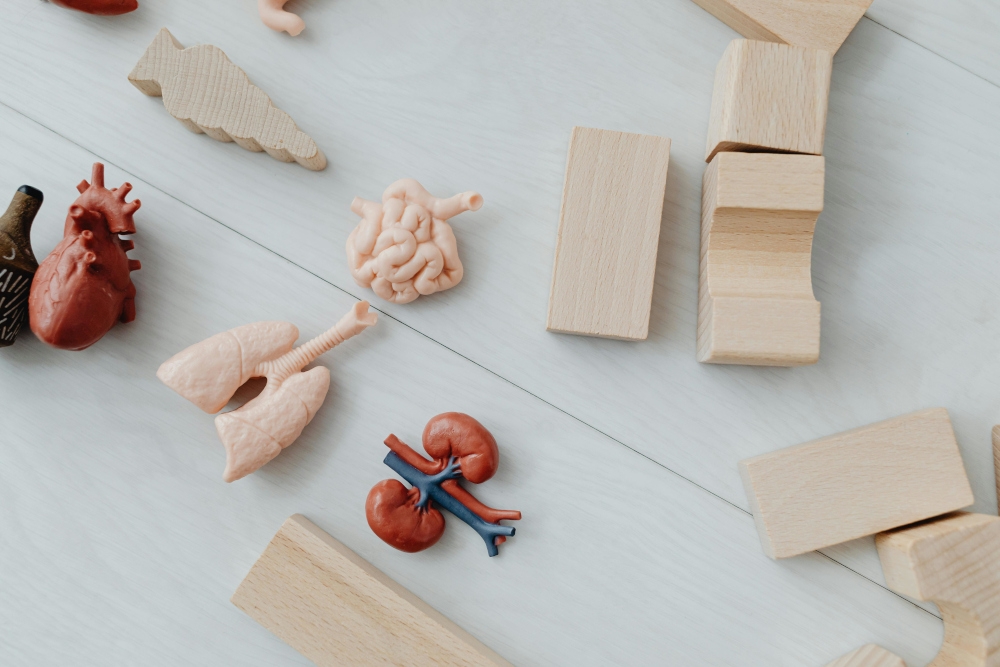
Among the chronic conditions associated with urinary incontinence are bladder tumours or cancer, chronic neurological diseases, prostate cancer, kidney damage and long-term diabetes. — Pexels.com (New users only) It's tax relief season! Get up to RM300 when you save with Versa! Plus, enjoy an additional FREE RM10 when you sign up using code VERSAMM10 with a min. cash-in of RM100 today. T&Cs apply. Monday, 18 May 2026 9:00 PM MYT KUALA LUMPUR, May 18 — Many people assume that bladder control problems are just a minor issue or a normal part of ageing, and therefore choose to ignore them without seeking medical attention.Some are also reluctant to see a doctor out of embarrassment, even when their social life is affected by symptoms such as sudden urine leakage or accidental leakage when laughing, coughing or sneezing.However, medical experts warn that this condition, known as urinary incontinence, could be a sign of more serious underlying health issues, including cancer, kidney disease or neurological disorders.Bladder conditionSunway Medical Centre Velocity consultant urologist Dr Warren Lo Hwa Loon said urinary incontinence is not a disease in itself, but rather a symptom caused by dysfunction involving the muscles, nerves or structure of the urinary tract.He said there are different forms of urinary incontinence, namely overflow urinary incontinence, stress urinary incontinence, urge urinary incontinence and mixed urinary incontinence.“Overflow incontinence occurs when urine continuously dribbles out because the bladder cannot empty completely during urination. Stress incontinence, on the other hand, happens when urine leaks due to physical pressure on the bladder and abdomen, usually during coughing, sneezing or laughing,” Dr Lo told Bernama.Urge incontinence, meanwhile, involves a sudden and intense need to urinate, often leaving patients unable to reach the toilet in time. This condition is linked to an overactive bladder, where the bladder muscles contract too early or too frequently.Mixed urinary incontinence occurs when an individual experiences more than one type of bladder control problem simultaneously, most commonly a combination of stress and urge incontinence.“When this happens, the person may feel an urgent need to urinate and, if they cannot reach the toilet quickly enough, leakage occurs,” he said.CausesDr Lo added that urinary incontinence can arise from a variety of underlying health conditions, with the causes depending on the specific type of incontinence experienced by the individual.For example, people with overflow incontinence often have neurological or brain-related disorders such as spina bifida, spinal cord injuries, Parkinson’s disease, Alzheimer’s disease or brain tumours.“Other causes of overflow incontinence may stem from abdominal or pelvic surgeries, including colon cancer or gynaecological procedures, which can damage the pelvic nerves and lead to an underactive bladder.“Systemic diseases such as diabetes are also among the most common causes of a poorly functioning bladder that is unable to empty effectively. Certain medications, including antipsychotics, sleeping pills and antihistamines, may also cause bladder contractions, resulting in overflow incontinence,” he said.He added that stroke patients may experience both overactive and underactive bladder symptoms simultaneously.As a result, patients may feel an urgent need to urinate while still being unable to completely empty their bladder.Dr Lo also noted that individuals who frequently consume caffeinated, carbonated, citrus-based or alcoholic beverages are at greater risk of developing an overactive bladder.He said in men, conditions that obstruct bladder outflow, such as an enlarged prostate or bladder stones, can continuously irritate the bladder wall, triggering symptoms of an overactive bladder and involuntary urine leakage.Rejecting the common perception that women are more prone to the condition, he said anyone can develop urinary incontinence, depending on their overall health and lifestyle factors.However, he said pregnant women commonly experience bladder control issues due to the physical pressure of an expanding uterus as well as hormonal changes during pregnancy, a condition often linked to stress urinary incontinence.“The problem may also occur when a person lifts heavy objects or experiences weakened pelvic floor muscles following pregnancy and childbirth, especially after multiple deliveries. Assisted deliveries involving forceps or vacuum extraction can also weaken the pelvic muscles and contribute to urinary incontinence,” he said, adding that as a result of these various contributing factors, urinary incontinence is estimated to affect nearly 60 percent of Malaysians, regardless of age, gender or ethnicity.Can be a sign of chronic illnessDr Lo said the early warning signs of urinary incontinence include frequent urination, sudden urgency to use the toilet, urine leakage during daily activities, recurring urinary tract infections and difficulty emptying the bladder fully.He explained that every case of urinary leakage has an underlying cause and should never be ignored as delaying medical evaluation could result in late diagnosis of a serious or chronic illness.Among the chronic conditions associated with urinary incontinence are bladder tumours or cancer, chronic neurological diseases, prostate cancer, kidney damage and long-term diabetes.As such, he urged those experiencing bladder control issues to seek early medical assessment to identify the root cause and prevent more serious complications.He added that persistent urine leakage may also lead to recurring urinary tract infections, fungal dermatitis, pressure sores and in severe cases, urosepsis – which occurs when an untreated urinary tract infection spreads into the bloodstream.“In some cases, prolonged urinary leakage may lead to depression and social isolation because patients lose confidence and feel embarrassed about their condition. Many also face significant financial burdens from having to purchase disposable adult diapers regularly,” he added.TreatmentPointing out that there is no “one-size-fits-all” treatment for urinary incontinence, Dr Lo said the treatment must be tailored according to the type and severity of the condition.For example, patients with overflow incontinence may require an indwelling urinary catheter to continuously drain urine from the bladder into an external collection bag if they are unable to urinate normally.He also highlighted the sacral neuromodulation technology, known as a “bladder pacemaker”, as one of the most effective modern treatments for restoring bladder control and improving urination.Dr Lo said stress incontinence, meanwhile, can be treated through pelvic floor exercises such as Kegel exercises, as well as surgical procedures such as placing a sling or artificial urinary sphincter to reduce leakage during coughing, sneezing or physical activity.For those with urge incontinence, reducing caffeine and carbonated drink intake, alongside taking medication to relax the bladder muscles and reduce contractions, may help control symptoms.Dr Lo added that botulinum toxin (Botox) injections into the bladder have also emerged as an effective modern treatment option for urinary leakage.In severe cases, however, major invasive procedures such as bladder augmentation or urinary diversion surgery may be considered as a last resort.Addressing claims that traditional herbal remedies containing herbs such as kacip fatimah, manjakani and turmeric can treat urinary leakage, Dr Lo stressed that there is no strong scientific evidence supporting such beliefs.“In my view, public awareness about urinary incontinence must be improved because urine leakage is not a normal part of ageing that should simply be accepted. All types of urinary incontinence are treatable, and patients should not suffer in silence. They need to seek professional help and treatment.” — Bernama
Urinary incontinence may signal serious illness, doctor warns as bladder control issues linked to cancer and neurological disease
KUALA LUMPUR, May 18 — Many people assume that bladder control problems are just a minor issue or a normal part of ageing, and therefore choose to ignore them without seeking...
1,150 words~5 min read