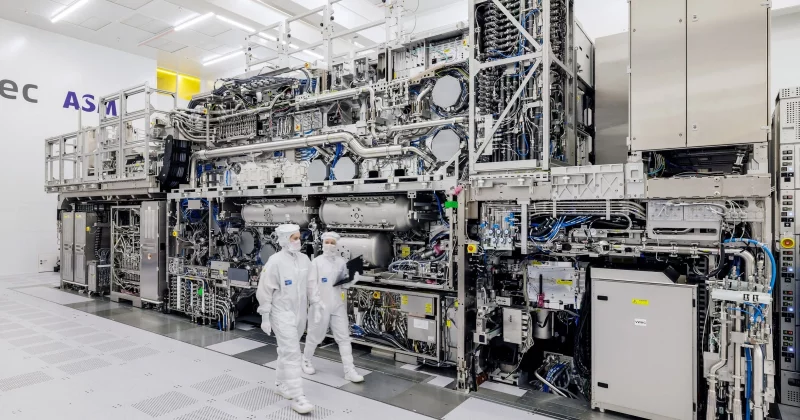
On May 7, the German technology firm Aixtron signed an agreement with the Malaysian Investment Development Authority to build a $47 million semiconductor manufacturing facility in Malaysia, with production projected to begin in the second half of 2027. This announcement, which follows the opening of a $200 million manufacturing facility in Malaysia by the Taiwanese semiconductor company Chipbond Technology in February, highlights Malaysia’s increasing importance as one of Southeast Asia’s most prominent technology hubs – and a potential semiconductor manufacturing powerhouse.
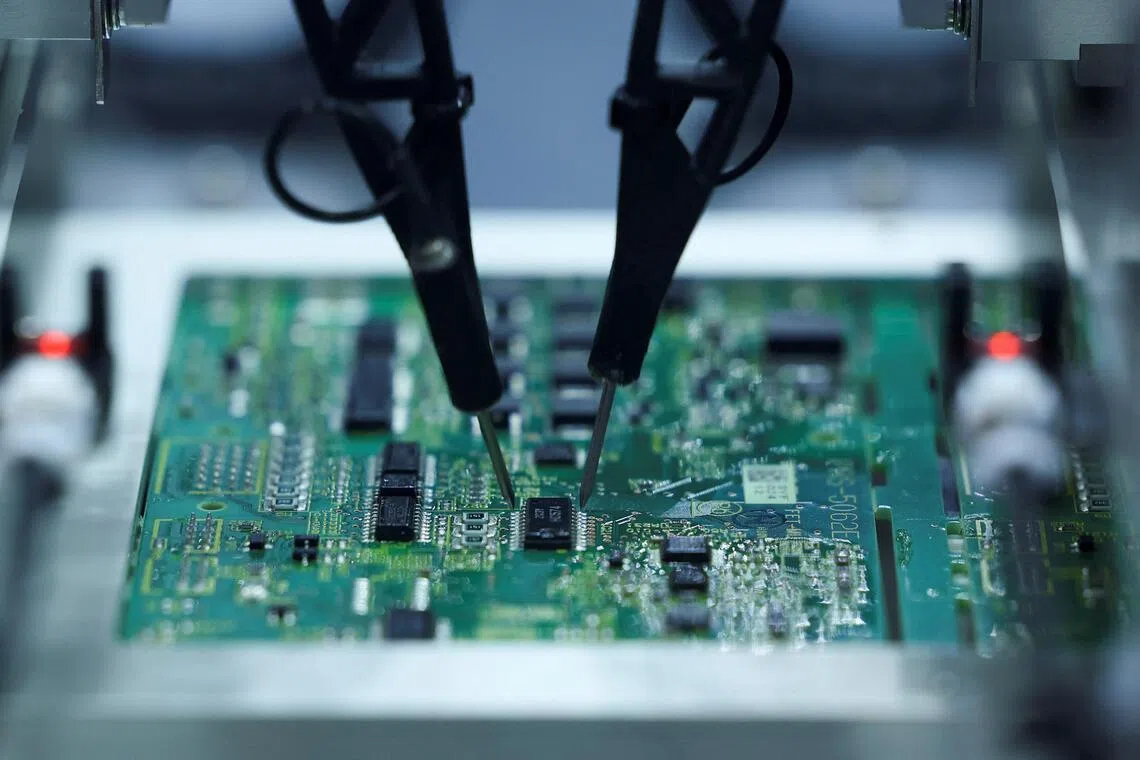
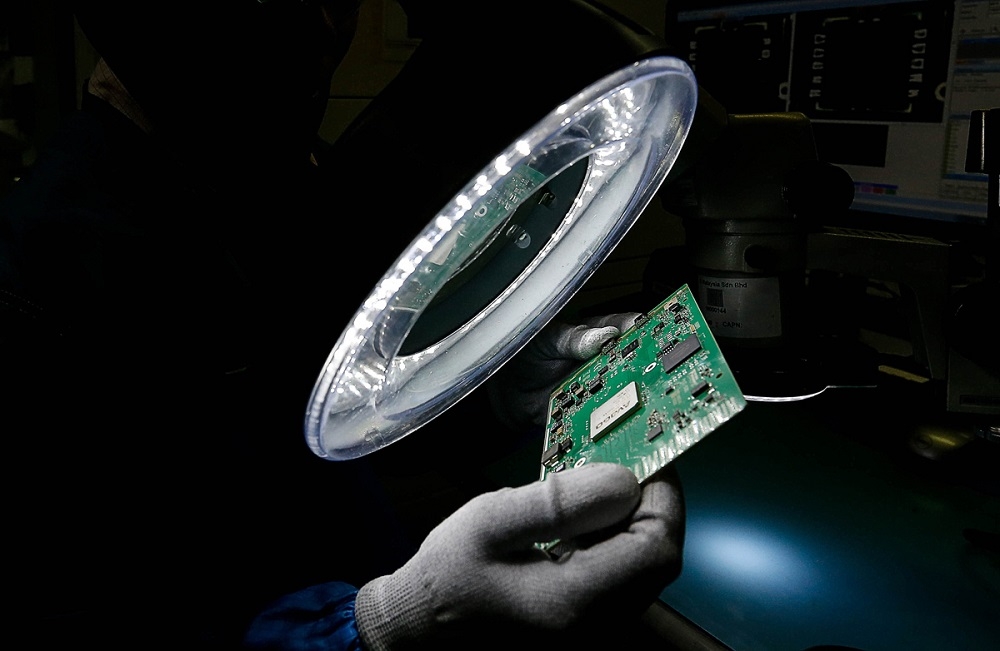
Long known for its outsourced semiconductor assembly and testing (OSAT) capabilities, Malaysia is now attempting a far more ambitious transition into activities that increase its value in the semiconductor value chain, to include integrated circuit design, advanced packaging, and front-end manufacturing. The government’s National Semiconductor Strategy, launched in 2024, aims at training 60,000 engineers by 2030 and attract billions in foreign direct investment, highlighting how Malaysia’s semiconductor sector has become central to its future economic plans.
This also reflects the reality that in an increasingly fragmented technological order, middle-power states with industrial depth, political neutrality, and strategic flexibility are becoming indispensable to both Washington and Beijing.