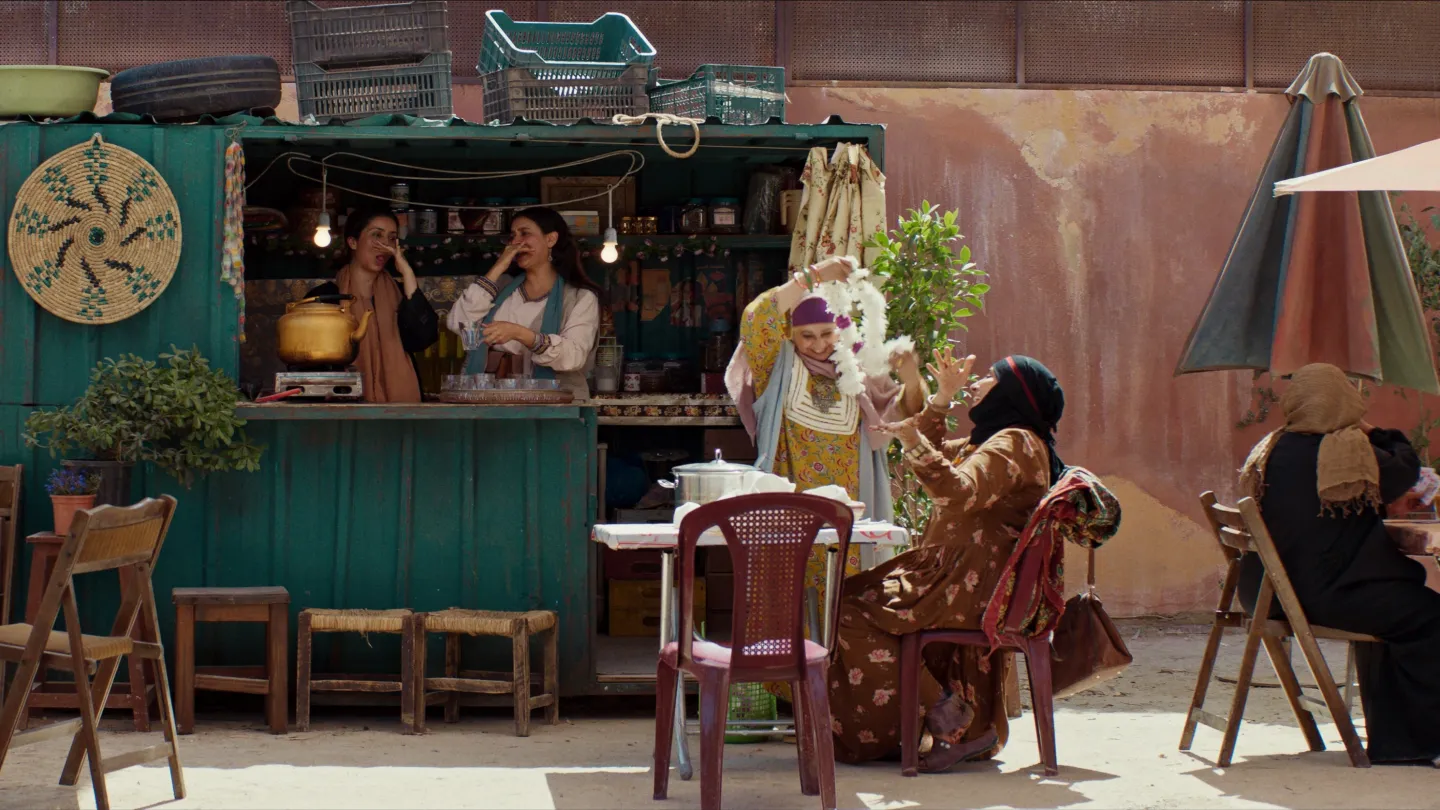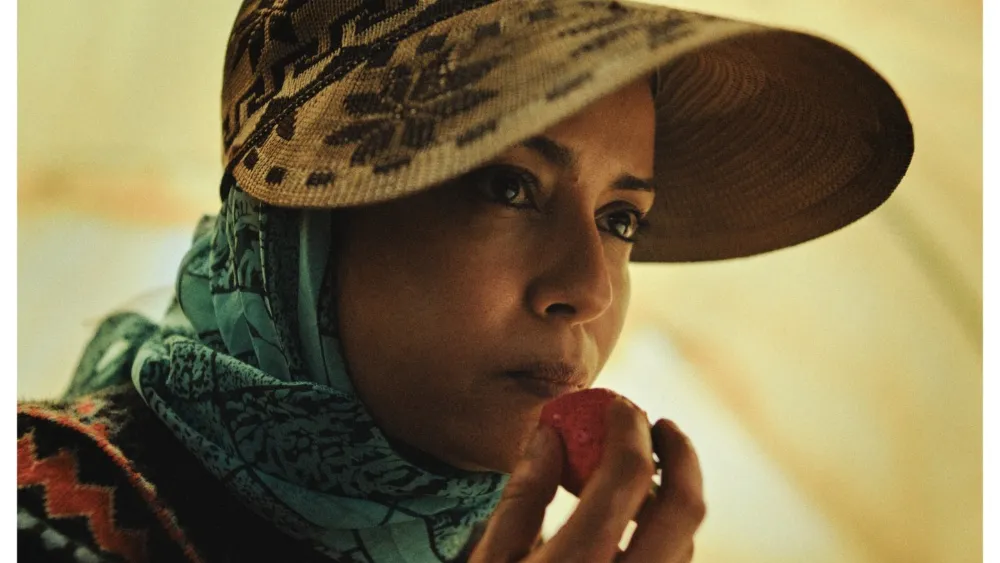
Stories about exploited migrant workers have become something of a mainstay in international cinema, rightly so given the tenacious hold this form of indenture — or worse — continues to have on the Global North. They also make for good cinema: who doesn’t want to root for people oppressed by the henchmen of rampant capitalism? Laïla Marrakchi’s “Strawberries” seeks to shake up the formula by making her protagonist a more flawed, at times even unlikable character who generates ambivalent feelings in the viewer, yet the script doesn’t delve deep enough into her bad choices. Subtlety is good, but a drop more insight wouldn’t go amiss. In addition, the extreme naïveté of the Spanish do-gooder lawyer is an out-of-place cliché in a film whose cinematic potency and multifaceted performances testify to Marrakchi’s strengths.
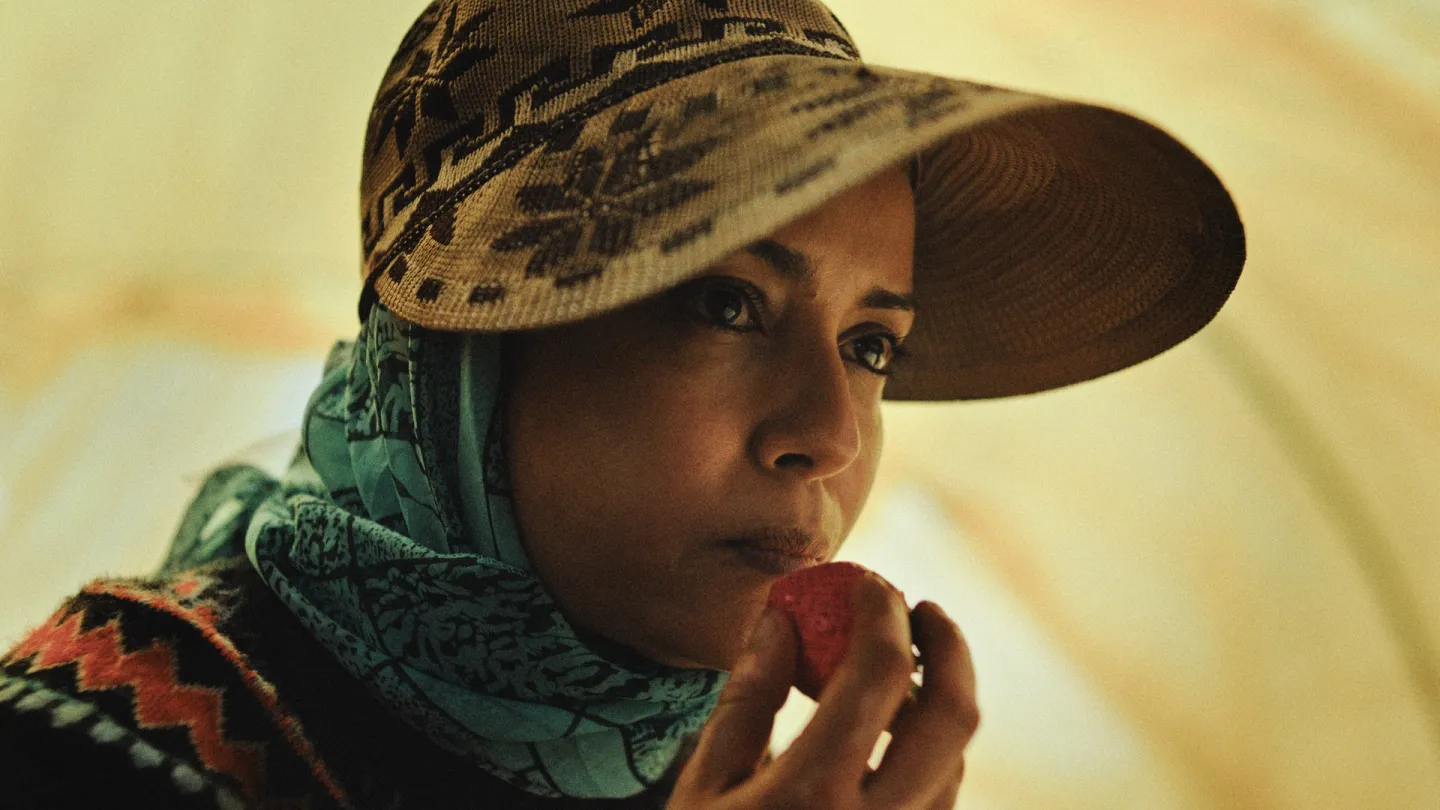
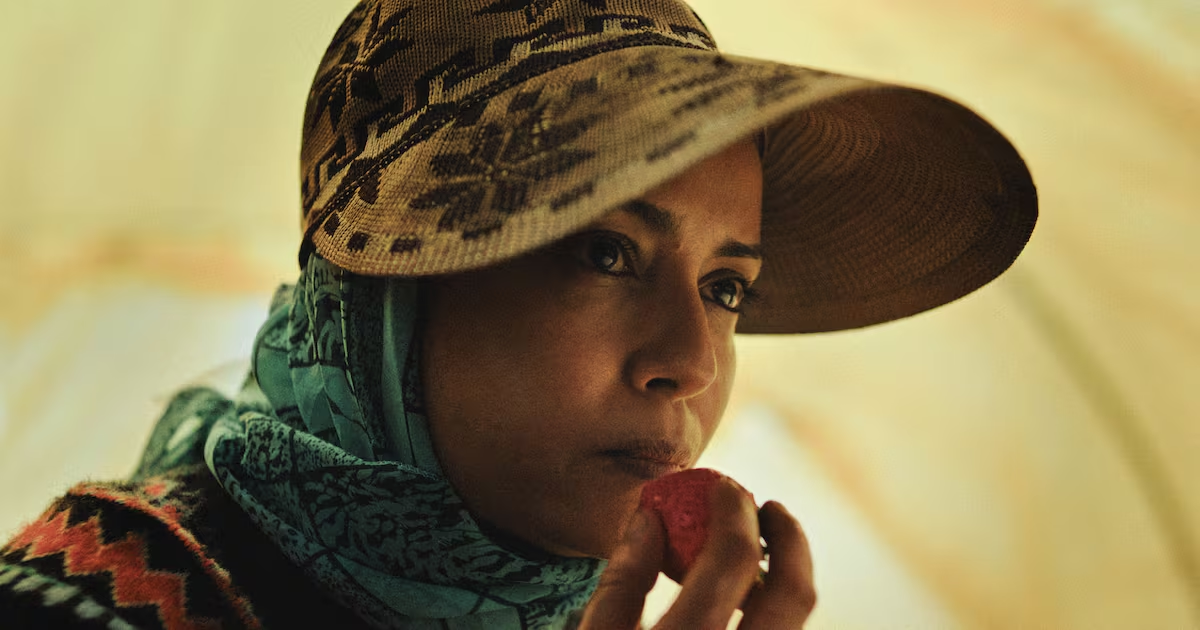
The excellent opening successfully crams in a lot of information without feeling artificial: close-ups of a succession of inspected hands shot from above convey the idea that these women are interchangeable labor, nothing more. €35 a day to pick strawberries in the Spanish province of Huelva is tantamount to slave wages, but for these Moroccan women, it means earning enough to send money back home. Tense, uptight Hasna (Nisrin Erradi, “Everybody Loves Touda”) is especially determined to start work, driven by a need she’s not willing to share. With her on the crossing is quiet, hijab-wearing Meriem (Hajar Graigaa), with whom she’ll be sharing cramped living quarters in a prefab container with giggly Zineb (Hind Braik) and older Khadija (Fatima Attif). Next to her bunk, Hasna sticks up a newspaper article about her winning a gold medal in taekwondo, alongside a photo of a boy: these are the only clues to her life before.