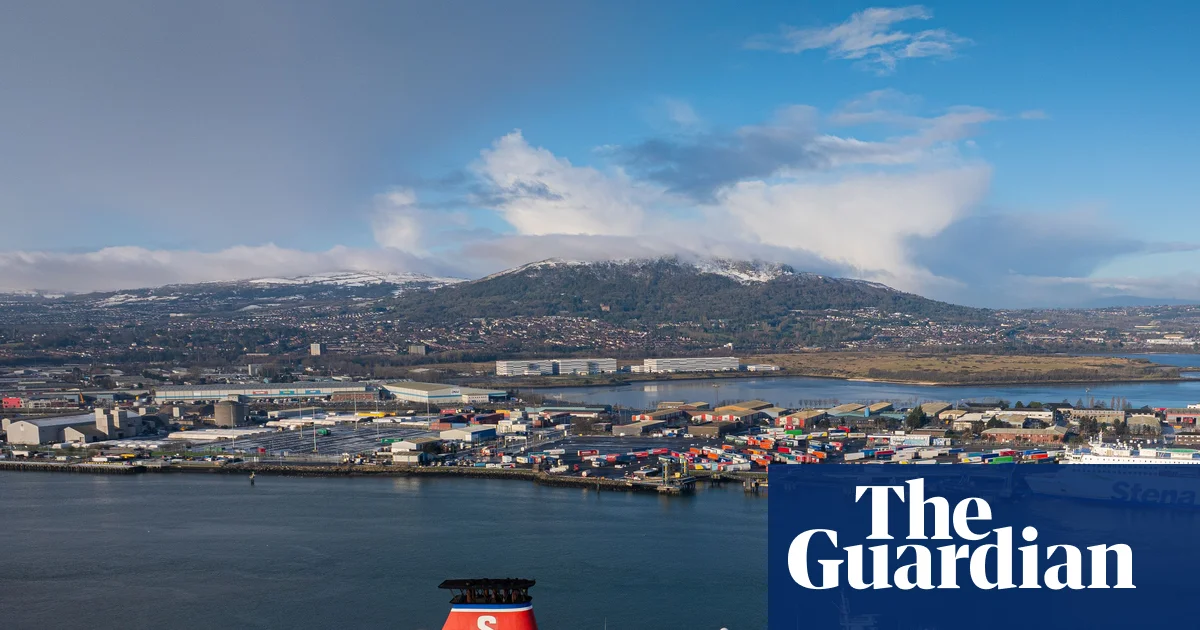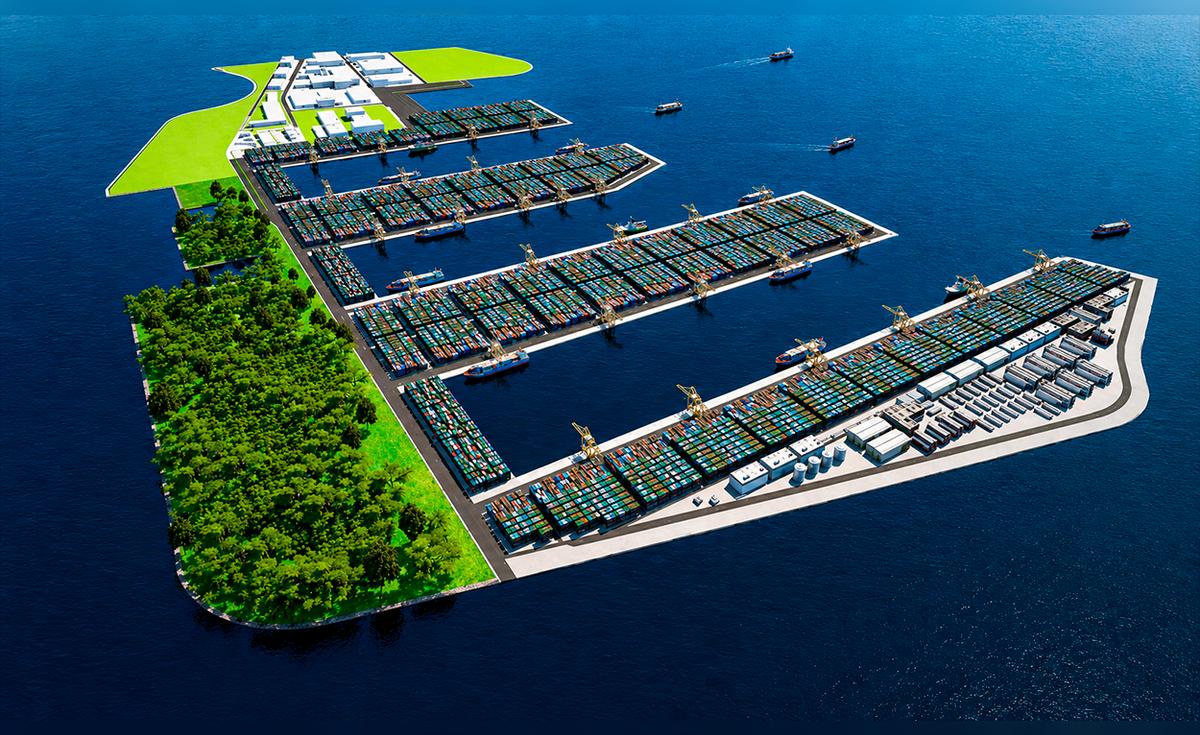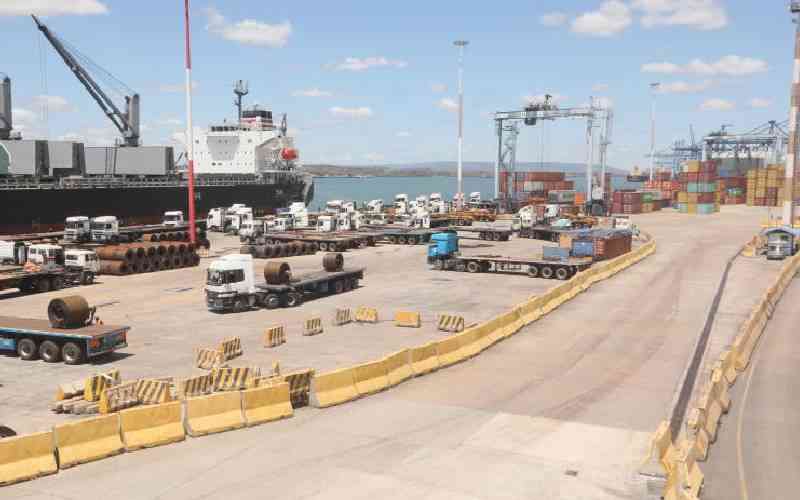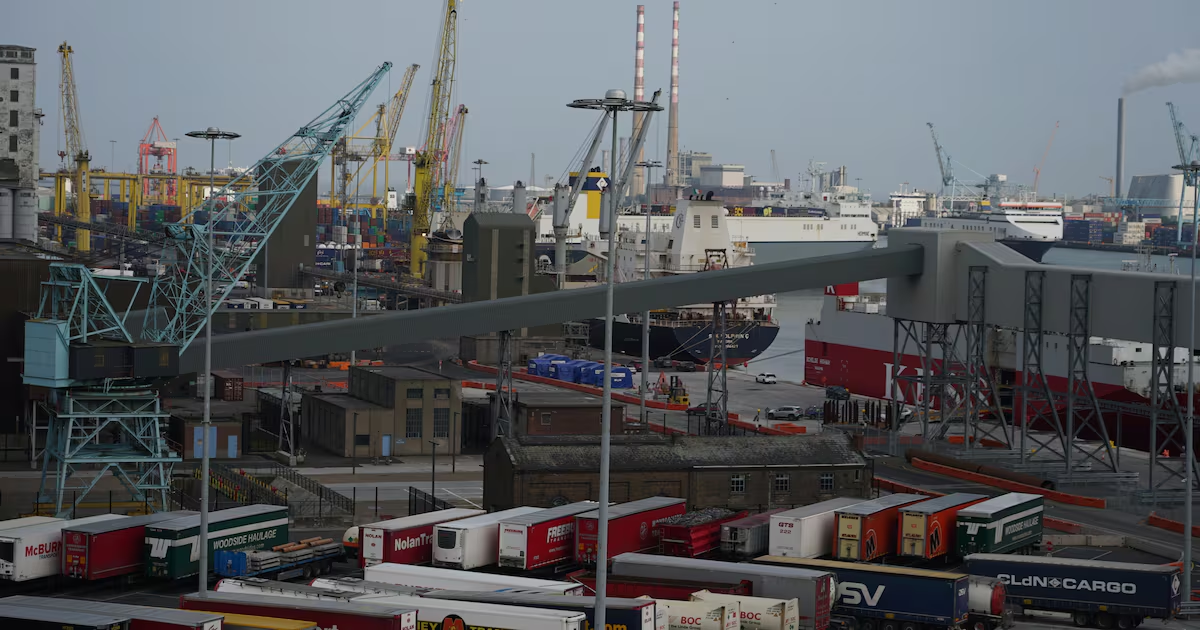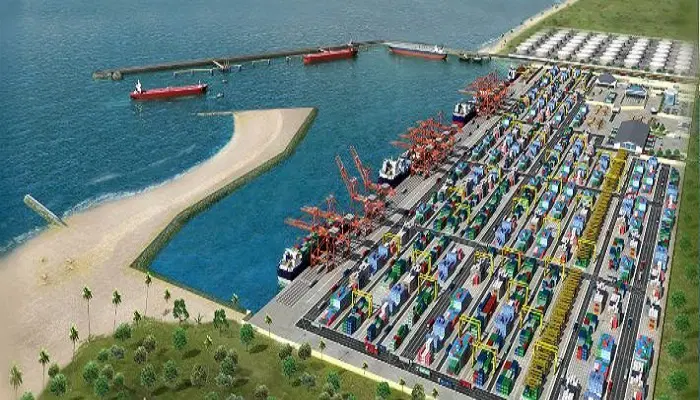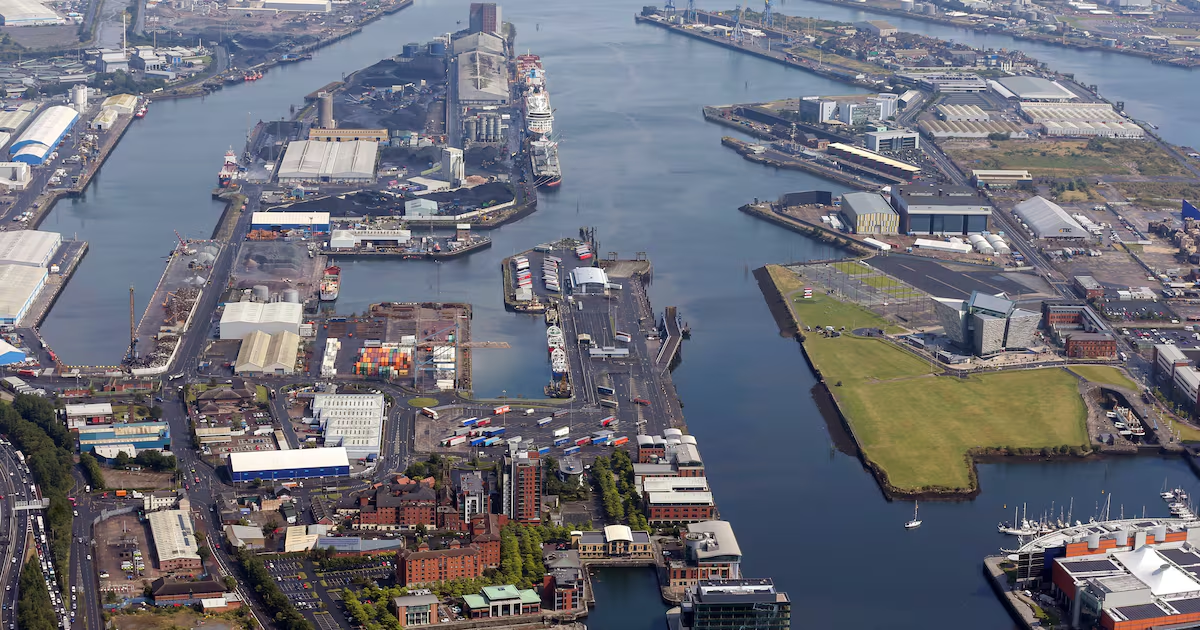
Belfast Harbour plans to spend £1.3 billion (€1.49 billion) over the next 25 years to expand its facilities to handle a higher volume of goods. The spending will nclude the redevelopment of Stormont Wharf, expansion of existing container terminals, and the development of a new terminal at West Bank Road.The plan reflects findings from independent consulting company Haskoning forecasting that trade volumes at Belfast Harbour will increase from 25 million tonnes currently to more than 31 million tonnes by 2050. Under higher-growth scenarios, this could increase to between 40 and 50 million tonnes. Its expansion plans also come against the backdrop of recent confirmation from Dublin Port that it faces severe capacity constraints and will reach maximum operational limits between 2030 and 2040. Belfast Harbour is one of Ireland’s largest ports, currently handling 25 per cent of all seaborne trade for the island of Ireland, and 70 per cent for Northern Ireland. Some £26.7 billion in trade is handled annually there, which is expected to increase to £36.2 billion by 2050 under steady growth. The investment would lead to an almost 5,500 new jobs in construction, according to an independent review by Ulster University and Grant Thornton. Phase one investments from 2026 to 2030 and are set to cost £313 million and include.a £90 million dual purpose deepwater cruise and wind energy terminal. It also includes plans for the setting up of a Maritime Skills Academy at Ballast.The second phase goes from 2030 to 2040 and is set to cost £484 million. It includes the redevelopment of Stormont Wharf, a vital quay at Belfast Harbour that supports a range of mixed cargo uses. This phase would also result in the expansion of existing container terminals to adapt to larger new-generation vessels, and the roll-out of shore power across the harbour so vessels can access clean energy while docked. The final phase spans from 2040 to 2050. Projected to cost £578 million, it includes plans for a new terminal on West Bank Road for freight transported by containers or trailers, in Belfast’s first land reclamation project in 25 years. It is also expected to deliver a clean energy hub that will provide for new fuels and promote a reduction in hydrocarbon land use, as well as the extension of waterside neighbourhoods into land no longer suitable for port use.Commenting on the investment plan, Theresa Donaldson, chair of Belfast Harbour Commissioners, said: “This master plan sets out a clear, long‑term vision for how Belfast Harbour will continue to deliver growth with purpose over the next 25 years.” Joe O’Neill, chief executive of Belfast Harbour, said: “As capacity tightens at key ports on the Irish east coast, we are putting the scale of our estate to work providing the planned capacity the island needs, supporting customers today and preparing Belfast Harbour to be the principal maritime gateway on the Dublin–Belfast economic corridor.”
Belfast harbour plans £1.3bn investment over next 25 years
Trade volumes at harbour forecast to reach more than 31m tonnes by 2050
479 words~2 min read