Research
May 18, 2026
Executive summary
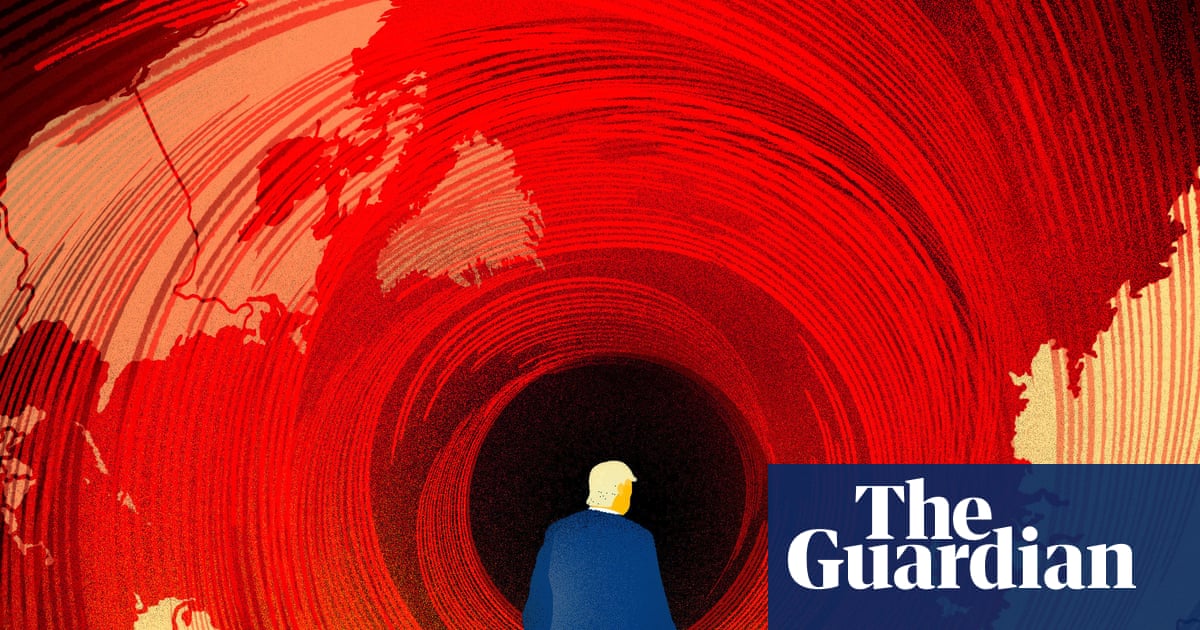
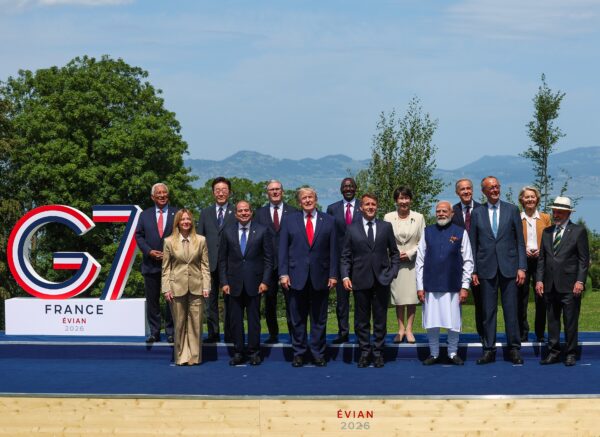
Well before the Trump administration took office in January 2025, there was an ongoing negotiation in world affairs over the balance of decisionmaking power within the multilateral order. The Western-led instruments that dominated the first part of the post-Cold War system—exemplified by the Group of Seven (G7)—were under pressure to cede ground to wider arrangements, sharing control with the “emerging” powers and reflecting the growing influence of the Global South. That debate continues, but since taking office, U.S. President Donald Trump has changed its terms. In both rhetoric and action, his administration has challenged two core precepts of the established multilateral order: a trade system based on reciprocity and negotiated rules, and a prohibition against the use of force to acquire territory. Oddly, though, the administration’s moves to withdraw from established international institutions have been far less sweeping than anticipated. And China, widely expected to take advantage of the Trump administration’s instincts against multilateralism, has not so far capitalized.
Still, the Trump administration’s policies have driven more nails in the coffin of the Western lead in multilateral affairs. At the same time, its stance on issues like the BRICS has made the prospects of a negotiated expansion of decisionmaking power less likely. Yet it also has not attracted much international adherence to its own version of a new multilateralism. The world is thus left without a coherent vision of the multilateral order ahead.