R
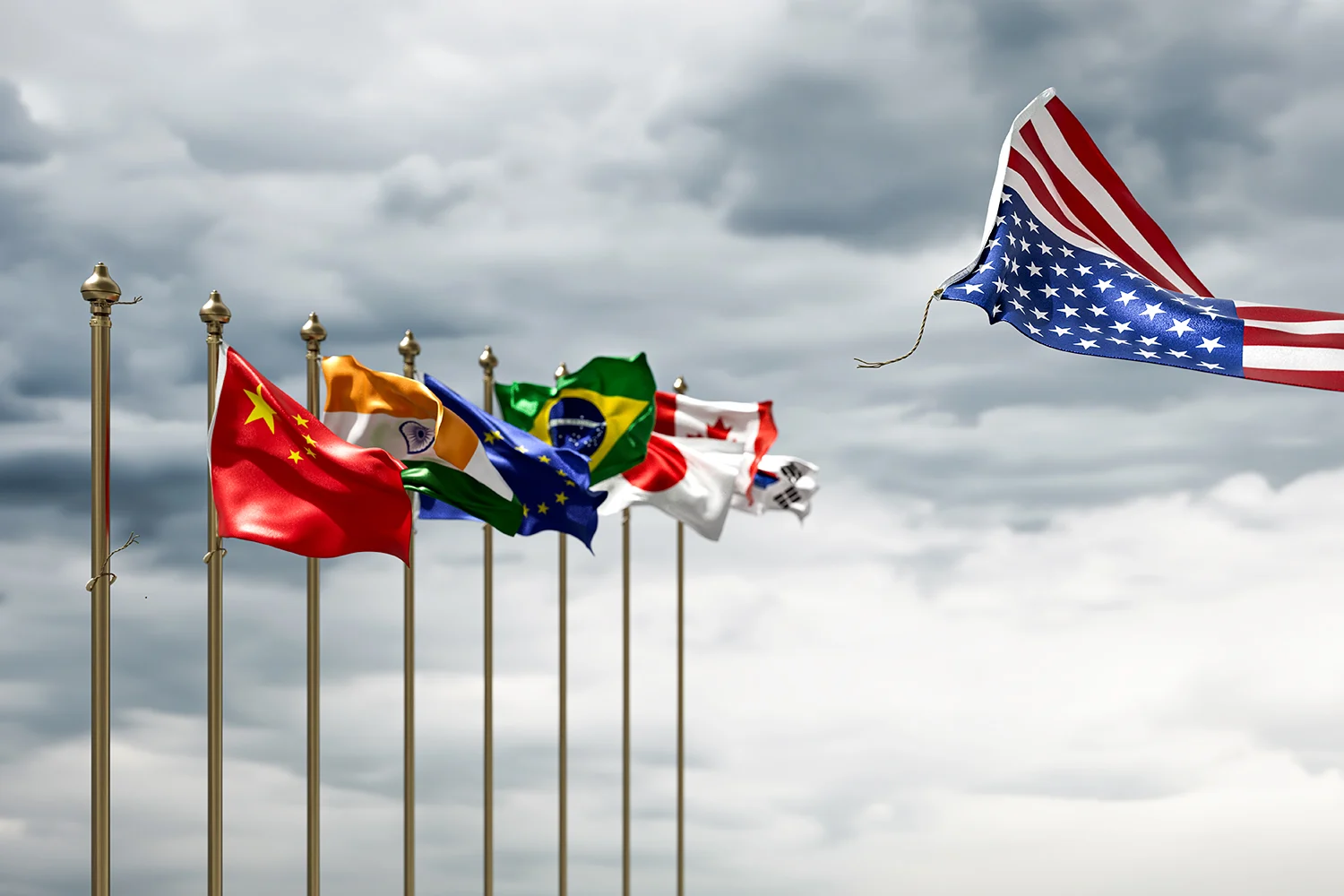
ecent observations on the rules-based international order have suggested that this system of interlocking governance institutions that emerged since the end of World War II, known to some as Pax Americana, might survive or thrive despite the onslaught of political and economic confrontations foisted on the world by U.S. President Donald Trump. The real question is not about its survivability per se, but rather the extent to which it might mutate under pressure from Washington’s coercive policy prescriptions inflicted upon developing and emerging economies, particularly across the Asian region.
A few definitional remarks are in order at this point. Firstly, the rules-based international order, a liberal paradigm seen as a remedy to the devastation wreaked by the two World Wars, was brought into existence by the U.S. This was made possible by the U.S. pushing ahead with the Marshall Plan to rebuild war-torn Europe, returning it to a minimum threshold of economic advancement and political stability that would enable the continent to support the global narrative of a unipolar world as envisioned by Washington. Thereafter, a broad set of “norms and institutions that govern international relations as well as broad patterns of power distribution and economic flows across the world, most of it backstopped by American power and leadership” came into force, including the World Trade Organisation (WTO), the International Monetary Fund (IMF) and the World Bank (as well as the “Washington consensus” that they implied), and a variety of related organisations. All these institutions existed to put guardrails in place for international politics — in other words these organisations were used as leverage to limit the regional and global ambitions of any potential rival to the aforementioned unipolar balance of power.