Commentary
The invisible hand of the market is doing enough to keep most planes flying, says Javier Blas for Bloomberg Opinion.
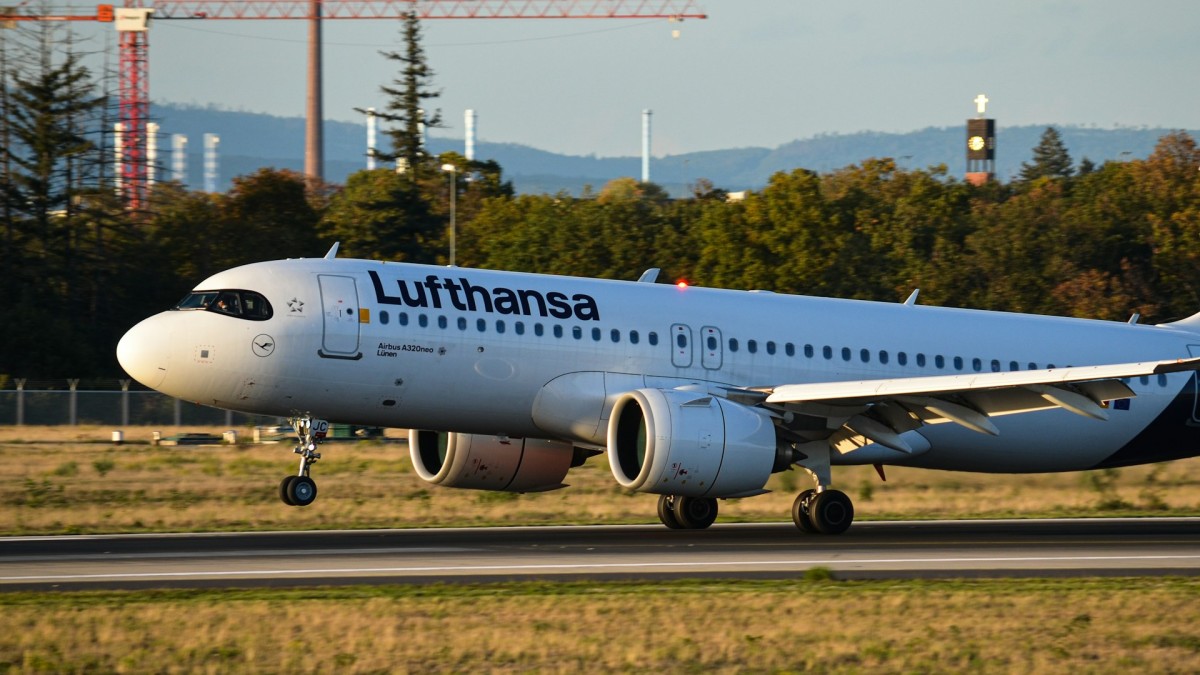
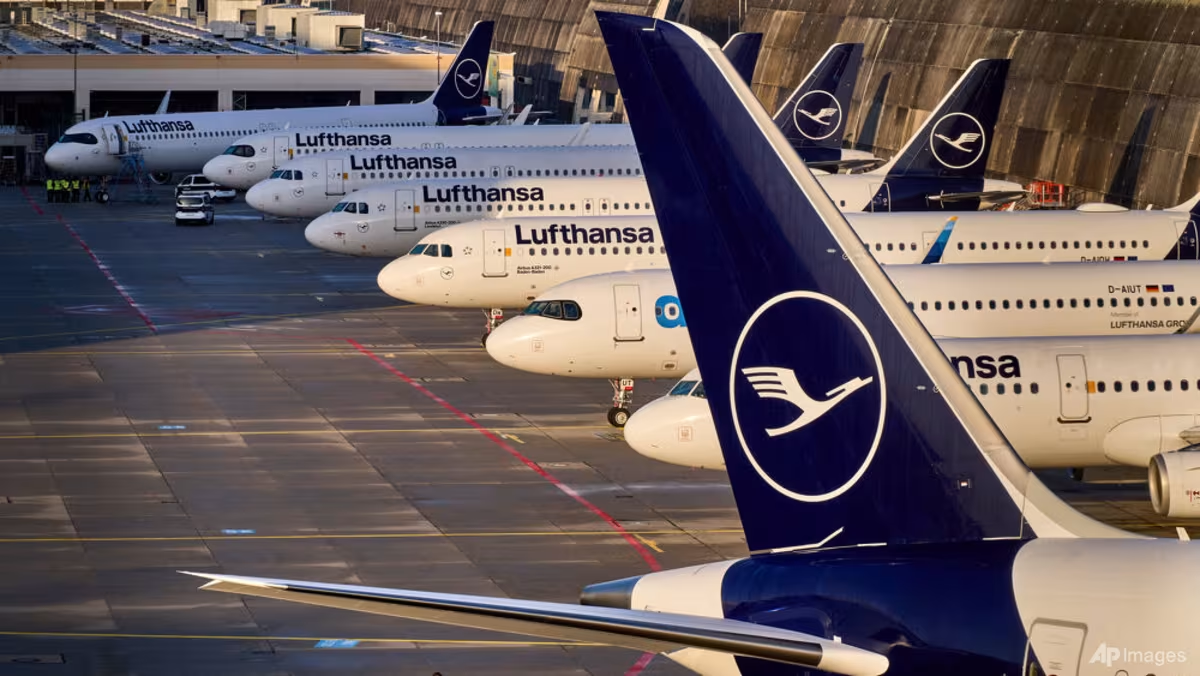
Lufthansa aircraft at the airport in Frankfurt, Germany, Mar 12, 2026. (AP Photo/Michael Probst, File)
19 May 2026 05:58AM
LONDON: My family-and-friends WhatsApp chat tracks the ups and downs of commodity markets. Whether it’s when to switch utility provider or purchase olive oil, I’m everyone’s in-house analyst.Unsurprisingly, the question du jour is whether the US-Iran war will ground European summer holiday flights. For now, the answer is no.Advising family and friends has no upside - and lots of downside. Thus, I have caveated my messages with the usual disclaimer: The US-Iran ceasefire may collapse and the war restart. But barring a worst-case scenario, the invisible hand of the market is already doing enough to keep most planes flying.From a pre-war level of about US$100 a barrel, wholesale jet fuel prices in the northwest European and Asian markets shot up to a record high of over US$230 a barrel in early April. Since then, they’ve fallen 30 per cent to about US$165 a barrel. Cathay Pacific, one of the largest carriers in Asia, recently said it would cut jet fuel surcharges in response to dropping wholesale prices.