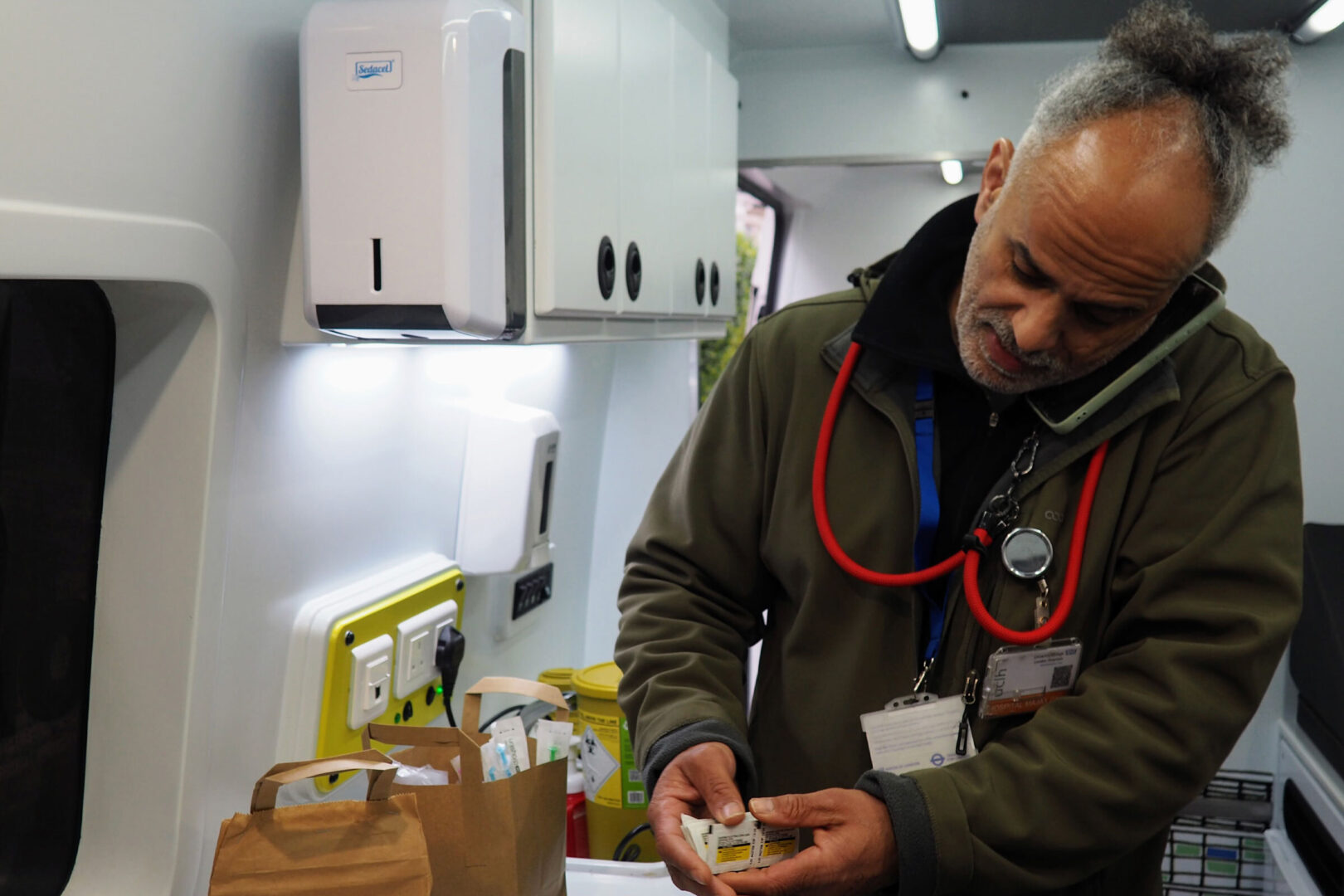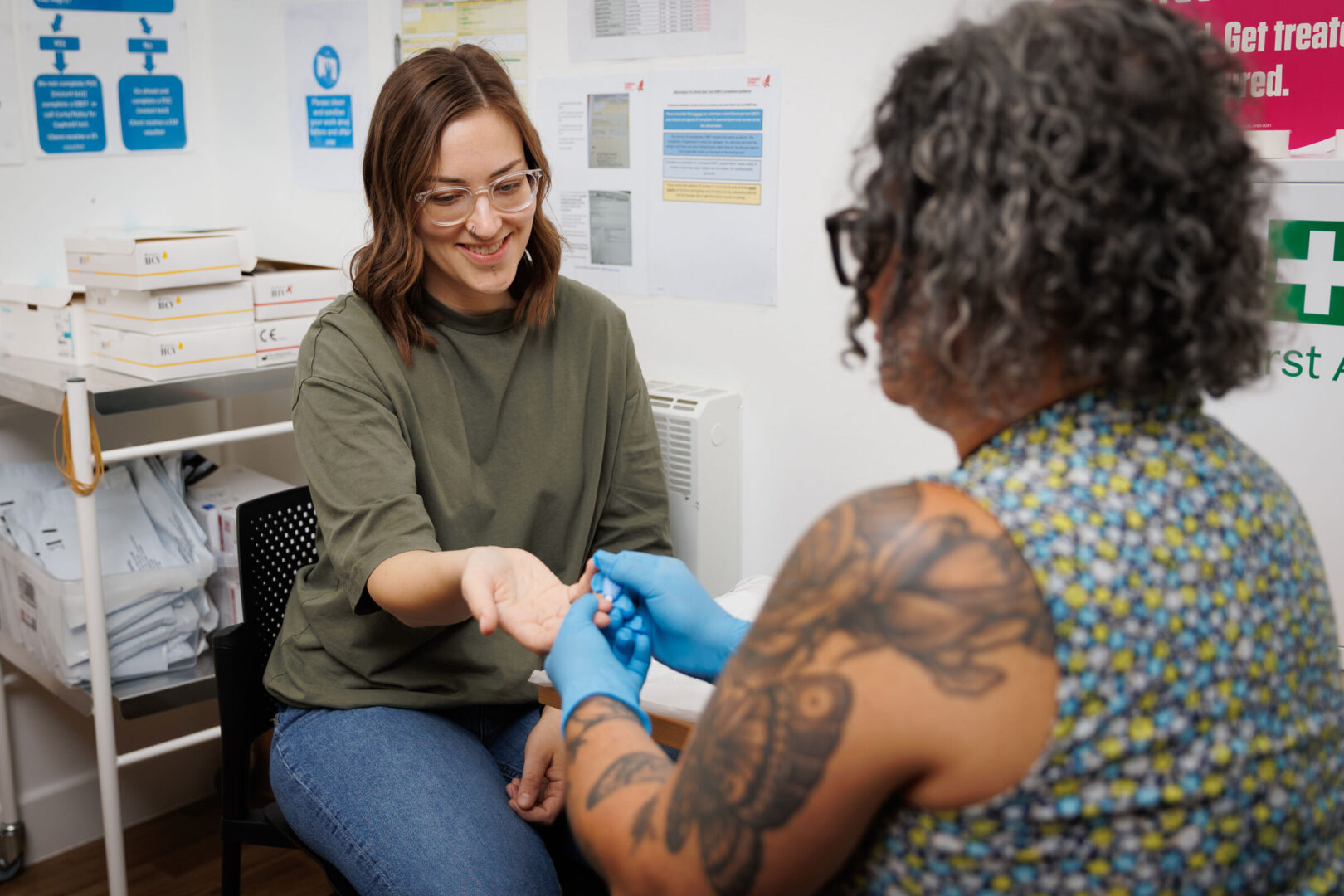
MANCHESTER and LONDON, England — Alison Starkie spends her days tracking down people who need testing or treatment for hepatitis C, especially those who are unhoused or actively using drugs.
Starkie, an intervention worker for a drug treatment service, recalled the difficulty of treating a man living in a tent in northwest England. Each time he started treatment for the disease, his medication was lost or stolen.
He’d been thrown out of sheltered housing for disruptive behavior at one point, but “we chased him, we hounded him,” about his treatment, she said. “We weren’t just going to forget about him.” The man was not only cured of hepatitis C, he also hasn’t used drugs in two years, she said.
Starkie works at Change Grow Live, one of hundreds of drug treatment providers in England that are a key part of the country’s plan to eliminate hepatitis C as a public health threat by 2030, a goal the United States has aspired to, yet hasn’t fully committed to.
Because people who inject drugs account for most new hepatitis C infections, England has targeted drug treatment centers as key venues for testing and treatment of the blood-borne virus, which attacks the liver and can cause severe damage, cancer, or death if left untreated.